Key takeaways:
- Researchers estimated about 550 heat-related deaths in England and Wales from May 21 to 29 and nearly 2,200 from June 18 to 28.
- England recorded 37.7C in June at Lingwood, Norfolk, breaking the previous June high of 35.6C set in 1957.
- Scientists said human-induced climate change added between 3C and 4C to the maximum temperatures recorded during the May and June heatwaves.
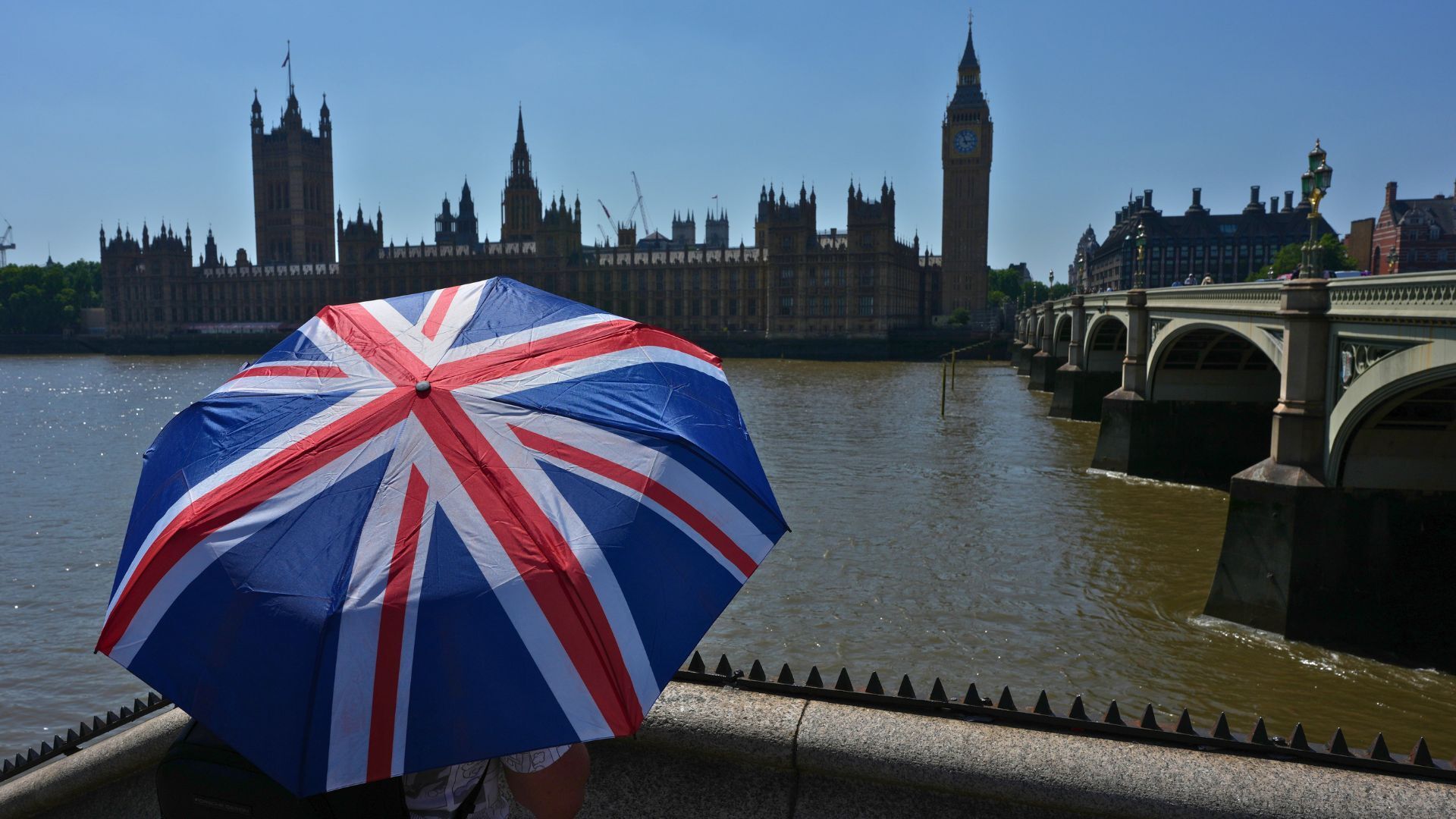
More than 2,700 people may have died from heat-related causes in England and Wales during two record-breaking heatwaves in May and June, according to estimates by researchers from Imperial College London, the Met Office and the London School of Hygiene and Tropical Medicine.
The team estimated that about 550 people died because of the heat between May 21 and 29, while nearly 2,200 died between June 18 and 28. The UK Health Security Agency said it would publish its official estimate of heat-related deaths in the coming weeks, based on death records from recent heatwaves.
The June heatwave was the warmest June on record in England. Temperatures reached 37.7C, or 99.9F, at Lingwood in Norfolk, breaking the previous June high of 35.6C set in 1957. In May, the UK recorded 35.1C at Kew Gardens on May 26, surpassing the previous May record of 32.8C, set in 1922 and equalled in 1944.
A rare red heat alert was issued for parts of England and Wales during the June heatwave, warning of a significant risk to life even for healthy people.
Researchers said both heatwaves were caused by a “heat dome” — a stalled area of high pressure that trapped hot air over the region. They said human-induced climate change made the heat dome worse. The planet has warmed by about 1.4C since pre-industrial times, and scientists estimated that global warming added between 3C and 4C to the maximum temperatures recorded in May and June.
“They were extreme heatwaves for the UK, and for all parts of Western Europe, and they’re particularly exceptional for the timing and how early in the year they occurred,” said Mark McCarthy, science manager at the Met Office’s climate attribution team.
The researchers used weather data, climate models and studies of excess deaths during extreme weather to produce their estimate. The BBC reported that the study also uses death records from previous years to model how many deaths there might have been in May and June 2026, and that the findings may not match the eventual official figures because they rely on assumptions about how severely people were affected by the heat.
Dr Clair Barnes, an expert in extreme weather and climate change at Imperial College London, said the estimates were intended to warn the public. “If by putting out these estimates we highlight to people how dangerous it is and they change their behaviour next time there’s a heatwave and our estimates turn out to be high, I will be thrilled,” she said. “These are big numbers and we don’t want to see this many people dying.”
Heat places heavy strain on the body, especially when people are dehydrated, and can contribute to heart attacks, strokes and other fatal emergencies. Babies, older people and those with existing health conditions are among the most vulnerable, though experts stress that extreme heat can affect anyone.
“Don’t underestimate the risks,” Prof Fredi Otto, a climate scientist at Imperial College London, told the BBC’s Today programme. “Just because you’re fit and healthy, you’re not safe.”
The Climate Change Committee, which advises the British government, warned last year that the UK was “not ready” to deal with the consequences of climate change. Al Jazeera reported that the committee estimated in May that 92% of British homes could be too hot by 2050 and said the government should set maximum workplace temperature limits and invest in air conditioning for public buildings such as hospitals and schools.
Across Europe, more than 10,000 excess deaths were recorded during late-June heatwaves in the west of the continent, according to EuroMOMO, a network backed by the European Centre for Disease Prevention and Control and the World Health Organization. Most were among people aged 65 and over.












Be First to Comment