Key takeaways:
- Trump threatened Iran after mourners at Ayatollah Ali Khamenei’s funeral called for Trump and Israeli Prime Minister Benjamin Netanyahu to be killed.
- U.S. officials are demanding that Iran publicly declare the Strait of Hormuz open and stop attacks on ships before any nuclear deal can move forward.
- Qatari, Omani and other regional diplomatic efforts continued as Iran insisted control of the Strait of Hormuz rests exclusively with Tehran.
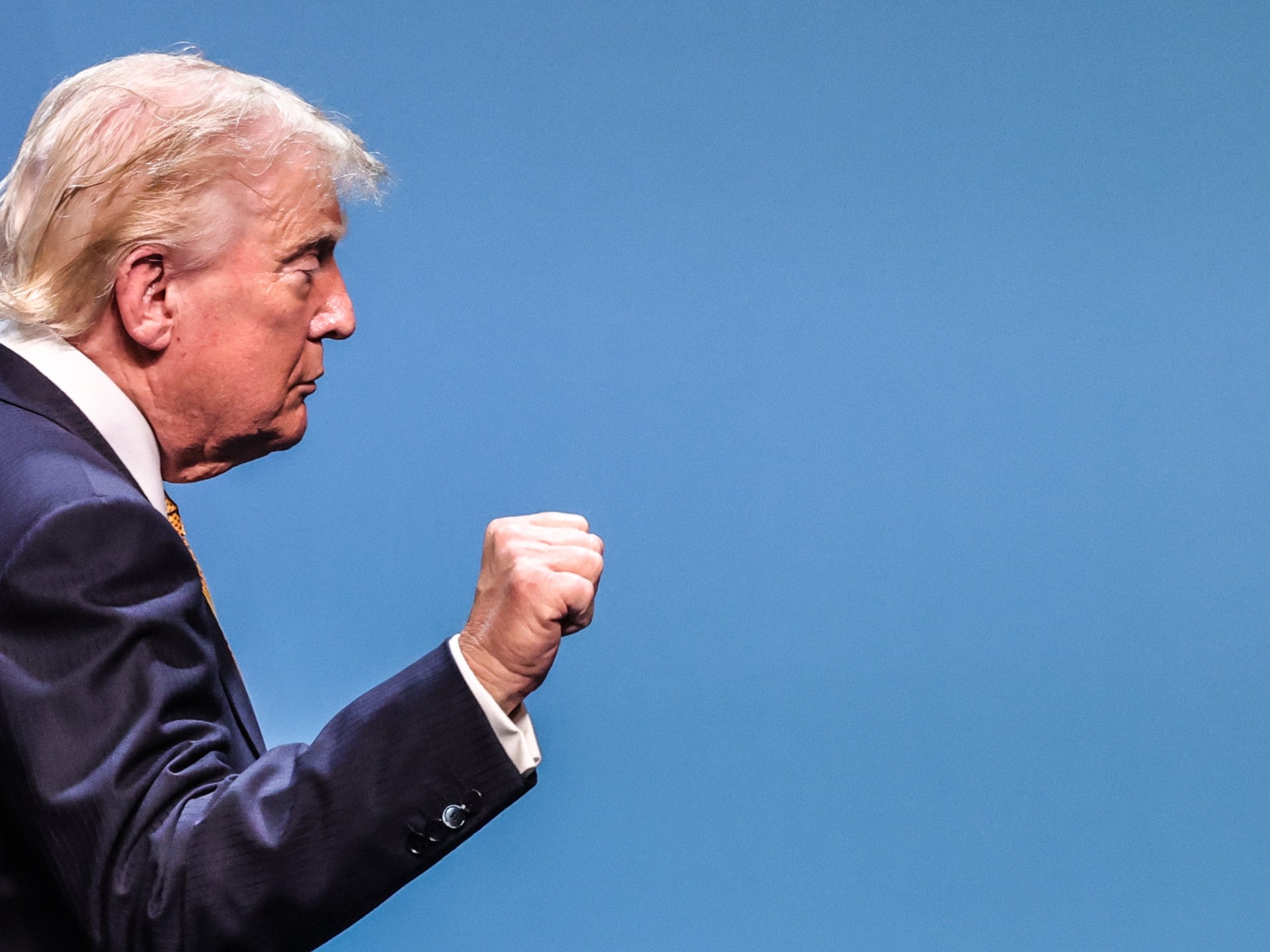
President Donald Trump threatened to unleash U.S. missiles on Iran after mourners at the funeral of slain Supreme Leader Ayatollah Ali Khamenei openly called for Trump’s killing, adding new strain to an already fragile effort to halt fighting between Washington and Tehran.
In a Saturday post on Truth Social, Trump wrote that “1000 Missiles are Locked and Loaded and aimed at the Islamic Republic of Iran, with thousands of more to immediately follow,” if Iran acted on what he described as threats “to assassinate, or attempt to assassinate” the sitting U.S. president. He added that U.S. forces were “ready, willing, and able” to “completely decimate and destroy all areas of Iran – PRAISE BE TO ALLAH!”
The warning followed days of renewed violence tied to the Strait of Hormuz, the narrow waterway through which about a fifth of traded oil and natural gas passed before the war. U.S. officials have demanded that Iran publicly declare the strait open and guarantee ships will no longer be attacked. Tehran has not done so, instead saying activity in the strait, including opening it or demining it, “rests exclusively with Iran,” according to its diplomat at the United Nations.
Iran says the strait must now be under its sole control and that vessels should pay fees to Tehran. The waterway has for decades been treated internationally as an international route. The dispute has contributed to a global energy crisis, though oil prices have fallen sharply from wartime highs of $120 a barrel.
U.S. officials, speaking on condition of anonymity, said the latest round of strikes began after what they described as a rogue faction of Iranian hard-liners tried to sabotage the ceasefire between Tehran and Washington. Iran says its government is unified under its new supreme leader, Ayatollah Mojtaba Khamenei.
Al Jazeera reported that Trump said the provisional ceasefire was over after Iranian attacks on Qatari and Saudi tankers near the Strait of Hormuz on Wednesday led to U.S. airstrikes on Iran for two nights and retaliatory Iranian missile and drone attacks on U.S.-linked military facilities in the region. NPR reported that Iran retaliated for U.S. strikes by targeting Bahrain, Jordan, Kuwait and Qatar.
Diplomacy has continued despite the threats. Qatari mediators traveled to Tehran on Friday, Iranian Foreign Ministry spokesperson Esmail Baghaei said. Iran’s state-run IRNA news agency said Foreign Minister Abbas Araghchi planned to discuss the strait with his Omani counterpart in Oman on Saturday, while Turkey’s foreign minister, Hakan Fidan, told TRT he believed “a solution can be reached” this weekend between Iran and Oman.
Araghchi also accused Washington of violating the interim deal by ending waivers that allowed Iran to sell crude oil on the open market in U.S. dollars, a step the U.S. took after attacks on ships in the strait. “Reality check: There can only be mutual compliance,” he wrote on X.
Iranian parliament speaker Mohammad Bagher Ghalibaf said Tehran would not surrender if Washington backed out of what Al Jazeera described as a Pakistani-brokered memorandum of understanding. “We have never stopped preparing to defend our country, and if at any moment the Americans betray the understanding, we are ready for full-scale defence,” he said. “Ending the war is a priority for the countries of the world, but everyone should know that this conflict will never end with Iran’s surrender.”
U.S. officials also said any nuclear deal would require Iran to hand over its stockpile of highly enriched uranium, a demand Tehran has repeatedly rejected. They said Washington would not reach a nuclear agreement unless Iran first stopped attacks on ships in the Strait of Hormuz.




Be First to Comment