Key takeaways:
- Trump said he will “immediately” seek a Supreme Court rehearing after the court ruled 6-3 against his birthright citizenship executive order.
- Chief Justice John Roberts wrote that children born in the U.S. “to parents unlawfully or temporarily present” are citizens at birth under the 14th Amendment.
- A Migration Policy Institute-Penn State study said the order would leave about 255,000 U.S.-born infants a year without citizenship and increase the undocumented population by 2.7 million by 2045.
President Donald Trump said he will “immediately” ask the U.S. Supreme Court to reconsider its ruling that children born in the United States have a constitutional right to citizenship, escalating his fight against a policy that has stood for more than 150 years.
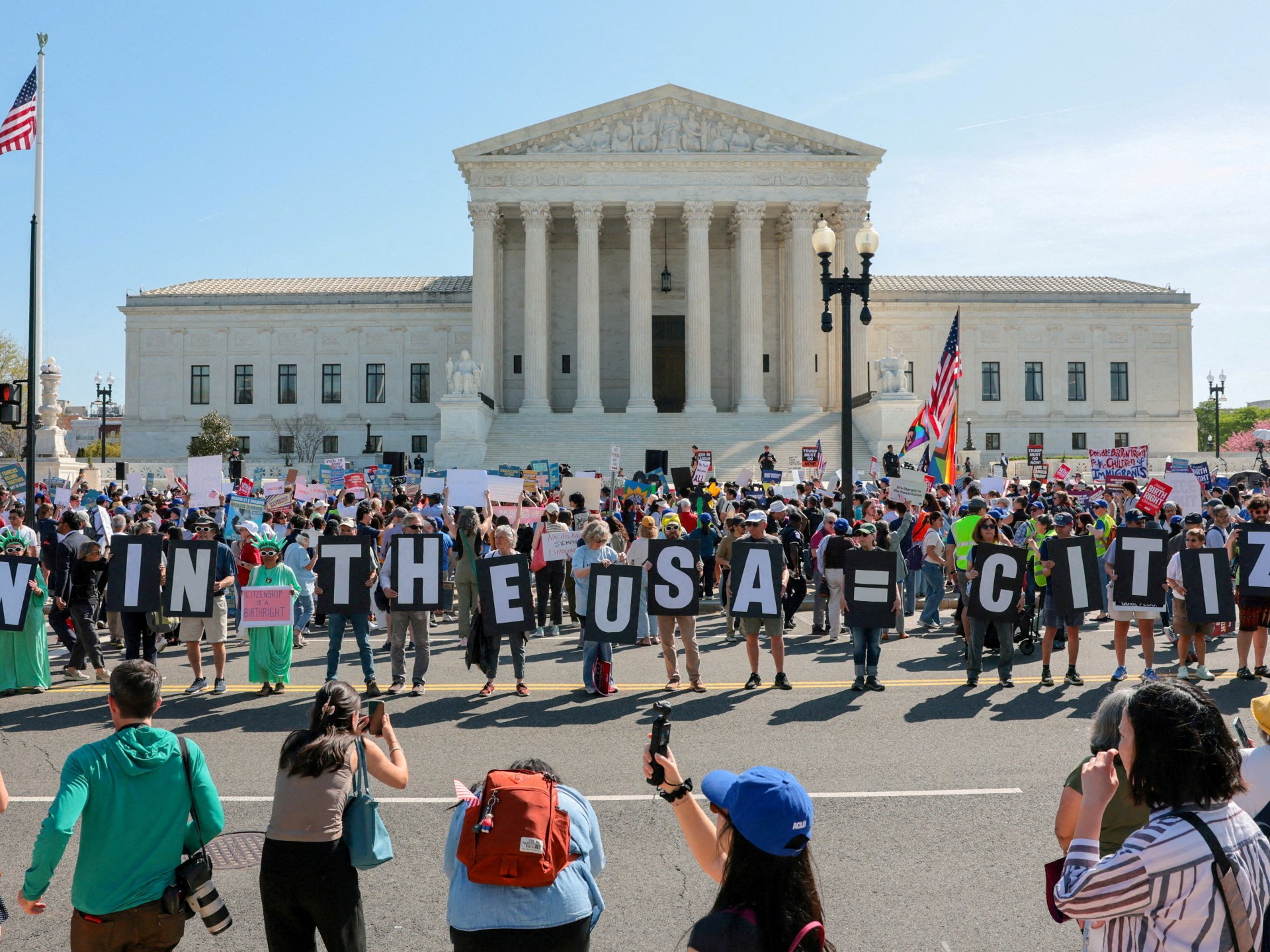
The court ruled 6-3 on June 30 against Trump’s executive order seeking to restrict birthright citizenship for some children born in the U.S. The decision rejected his attempt to deny automatic citizenship to children whose parents are in the country without documentation or are present on temporary legal status.
“AMERICAN CITIZENSHIP IS NOT FOR SALE! In fact, that is a crime, and therefore, the Supreme Court’s ruling is wrong,” Trump wrote Wednesday on Truth Social. “I will be asking for a Rehearing by the United States Supreme Court, IMMEDIATELY.”
In a separate post cited by the BBC, Trump called the decision a “miscarriage of justice” and wrote that it “will destroy America if they don’t change their absolutely insane decision.”
The Supreme Court allows a losing party to request a rehearing within 25 days of a ruling, but such requests are rarely granted. A majority of the nine justices would have to agree to rehear the case. The BBC reported that the last time the court reheard a decided case was about 60 years ago; Al Jazeera reported it has been decades since the court last allowed a retrial after issuing a ruling in an argued case.
The ruling marked a major defeat for Trump’s immigration agenda. Chief Justice John Roberts wrote that children born in the U.S. “to parents unlawfully or temporarily present” are “citizens at birth” under the 14th Amendment. Five justices, including Roberts, agreed that Trump’s executive order violated the amendment. Justice Brett Kavanaugh wrote separately that he believed the order violated federal law.
Trump signed the executive order on Jan. 20, 2025, the day he took office. He argued that children of undocumented immigrants and some temporary visitors were not “subject to the jurisdiction thereof,” language from the 14th Amendment, and therefore were not entitled to citizenship at birth.
The United States has granted citizenship to everyone born in the country since 1868, when the 14th Amendment enshrined the right in the Constitution. Later Supreme Court rulings have reinforced that protection.
Civil rights groups welcomed the court’s decision. Cecillia Wang, an American Civil Liberties Union lawyer who argued the challenge before the Supreme Court, said the ruling “reaffirms a fundamental American promise – if you are born here, you are a citizen.”
Trump has said he will continue trying to end or restrict birthright citizenship through legislation, urging Republicans in Congress to act. Al Jazeera reported that such an effort would likely face an uphill battle, citing public opinion polls showing strong support for birthright citizenship and the Supreme Court majority opinion’s suggestion that a constitutional amendment would be required.
A Migration Policy Institute-Penn State study released in May of last year said Trump’s order would have left an estimated 255,000 infants a year born in the U.S. without citizenship and increased the undocumented population by 2.7 million by 2045. The study warned the order “would create a self-perpetuating, multigenerational underclass – with US-born residents inheriting the social disadvantage borne by their parents and even, over time, their grandparents and great-grandparents.”




Be First to Comment