Key takeaways:
- The Texas State Board of Education approved a required reading list of about 200 texts, including Bible passages, for more than 5 million public school students.
- The rollout will begin with elementary school students in 2030, and teachers may assign additional books only on top of the required selections.
- Critics say the list favors Christianity and lacks diversity, while supporters say Judeo-Christian traditions should be represented in public school curriculum.
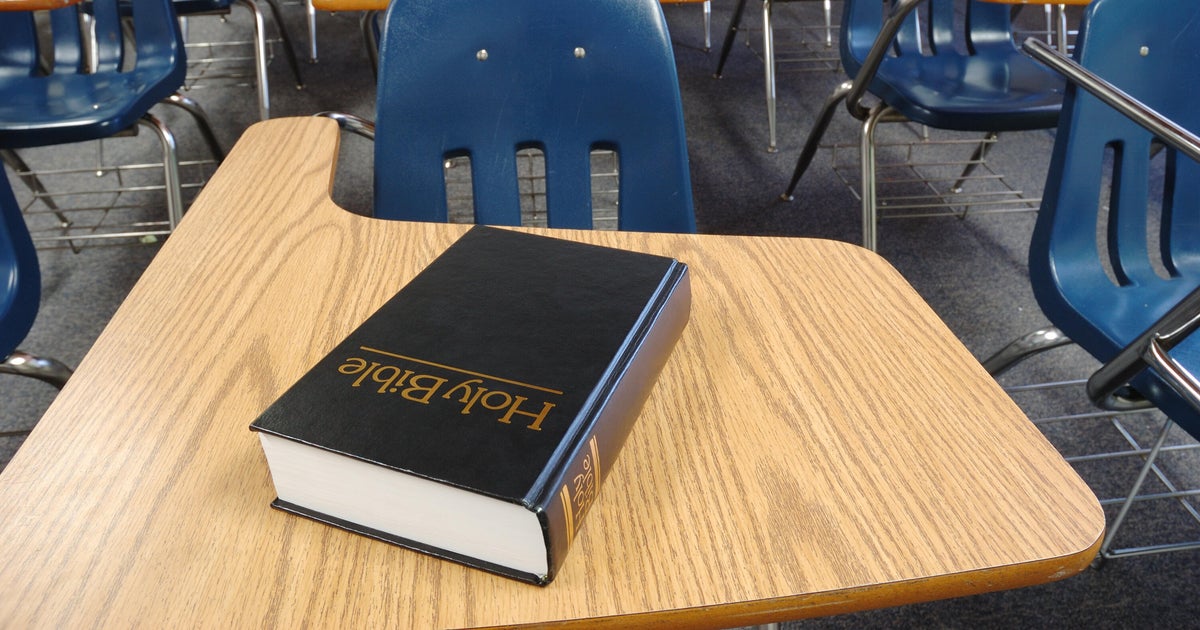
Texas public school students will be required to read Bible passages under a statewide reading list approved Friday by the Republican-controlled State Board of Education, a decision that intensifies debate over the role of religion in classrooms.
The list applies to more than 5 million students in a state that educates roughly one in 10 public school students in the United States. Its rollout will be staggered, beginning with elementary school students in 2030.
The plan stems from a 2023 Texas law requiring state education officials to designate at least one literary work for every grade level. The board went further, approving a list of about 200 texts that includes novels, essays, picture books and religious passages. Teachers may still assign books outside the required list, but those selections would come in addition to the mandated readings.
Students will read traditional literary works such as E.B. White’s “Charlotte’s Web” and Charles Dickens’ “Great Expectations.” They also will encounter Bible stories and excerpts, including passages from the New Testament and the Book of Job. Picture-book versions of “David and Goliath” and “Daniel and the Lion’s Den” are included for elementary students. By fourth grade, students would read passages about Jesus in the New Testament.
The Guardian reported that excerpts from the Book of Jonah and the Book of Psalms will be required beginning in seventh grade, while high school students will read additional excerpts from the Book of Lamentations and the Book of Genesis. CBS News reported that middle school students would read several passages about Jesus, including parts of his best-known sermon and a passage instructing people to cast aside earthly anxiety and seek the kingdom of God. For high school students, specific Bible passages are required as supporting materials for literary works, including books by Dickens and Jane Austen’s “Pride and Prejudice.”
Supporters say Judeo-Christian traditions were central to the nation’s founding and should be reflected in public school curriculum. Brooke Mazel, a retiree from Lubbock, urged the board to adopt biblical materials, saying her children and grandchildren grew up with “strong faith and family values.”
“America should celebrate our 250 years that started as a nation of unwavering Christian values,” Mazel said.
Critics say the list lacks diversity, gives preference to Christianity over other faiths and blurs the constitutional separation of church and state. They also object to the state mandating specific books, a decision typically left to teachers and local educators.
“Kids of all faith backgrounds and no faith are served by Texas schools and they should all feel welcome in Texas schools,” said Elva Mendoza, legislative communications associate for the progressive Texas Freedom Network. “But this is sending the message to children that one and only one religious text — a Christian one — is worthy of making this required reading list.”
The curriculum also has drawn criticism for emphasizing older works, many written by white male authors, in a state where more than half of public school students are Hispanic or Black, The Guardian reported.
Kasey Meehan, director of PEN America’s Freedom to Read program, called the Texas move “unique” and compared the strict requirements to book bans. “It certainly leans ideologically more conservative,” she said. “It excludes a lot of diverse voices from the reading list.”
Antero Garcia, president of the National Council of Teachers of English and a Stanford University professor, told CBS News he does not know of another state with a mandatory reading list that includes religious texts. Educators at the district and school level usually select what students read, he said.
Texas has moved repeatedly to expand religion’s presence in public schools. The state allows public schools to hire chaplains to counsel students, mandates the display of the Ten Commandments in classrooms and has approved an optional Bible-infused curriculum. The board also was set to vote Friday on a social studies curriculum linking Bible stories with American history.




Be First to Comment