Key takeaways:
- Vance is leading the U.S. delegation in Switzerland for talks with Iranian officials and mediators from Qatar and Pakistan.
- Iran says ending fighting on all fronts, including Lebanon, is its primary demand before negotiations on a final agreement proceed.
- U.S. Central Command said 55 merchant ships crossed the Strait of Hormuz on Saturday despite Iran’s claim that it had closed the waterway.
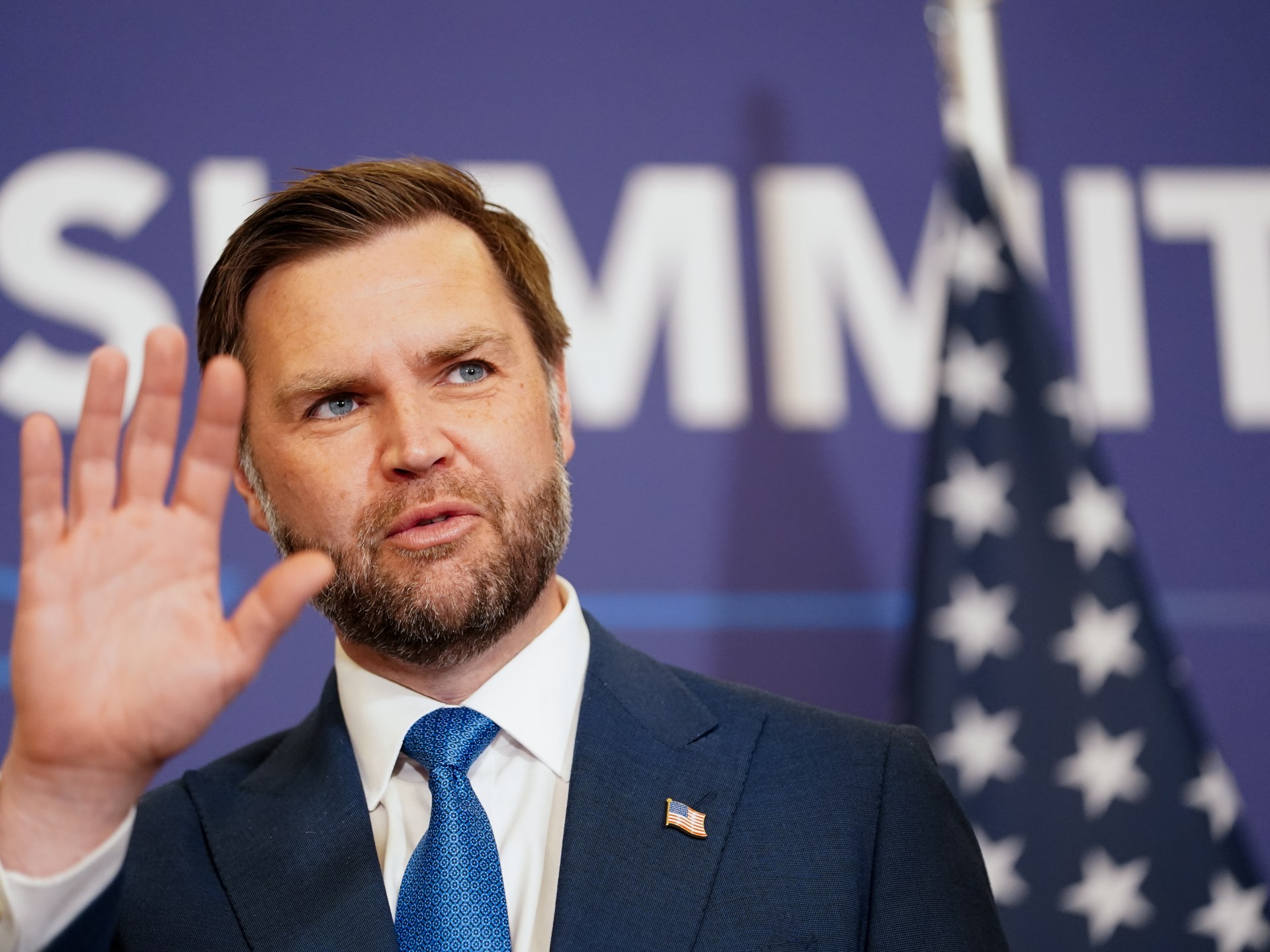
Vice President JD Vance arrived in Switzerland early Sunday for high-level talks with Iranian officials, as a fragile interim deal aimed at ending the U.S.-Iran war came under immediate pressure from renewed fighting in Lebanon and Iran’s disputed claim that it had closed the Strait of Hormuz.
The talks are expected to focus on implementing a memorandum of understanding signed last week by President Donald Trump and Iranian President Masoud Pezeshkian. The agreement extended a ceasefire for 60 days and opened negotiations on Iran’s nuclear program, Lebanon, frozen Iranian funds, oil sales and other unresolved issues.
Vance is leading the U.S. delegation, joined by Trump’s special envoy Steve Witkoff and Jared Kushner, NBC News reported. Iran’s delegation is led by Parliament Speaker Mohammad Bagher Ghalibaf and Foreign Minister Abbas Araghchi. Mediators from Qatar and Pakistan are also taking part, with Pakistan’s Prime Minister Shehbaz Sharif and army chief Asim Munir arriving in Switzerland for the talks.
Switzerland’s Federal Department of Foreign Affairs said the talks at the Buergenstock resort were expected to begin Sunday morning. Iranian Foreign Ministry spokesperson Esmaeil Baghaei said a quadrilateral meeting involving Iran, the United States, Qatar and Pakistan would be held later in the day after meetings with intermediaries from Doha and Islamabad.
“I think we’re going to hopefully make progress on the nuclear issue, make progress on the Lebanon ceasefire issue,” Vance told reporters at Joint Base Andrews before departing, adding that a “couple days of talks” were likely. He said those were “the two big things” the delegations would focus on.
Iran has signaled that Lebanon will be its central demand. Baghaei told Iranian media the trip was a “mission to demand the fulfillment of the other side’s obligations,” adding that “negotiations for a final agreement” would begin when those obligations are implemented. Iranian state TV reported that Tehran’s “key and primary demand” is ending the war on all fronts, including Lebanon.
The interim deal has been strained by Israeli attacks in Lebanon. At least 16 people were killed by Israeli strikes on Saturday, according to Lebanon’s health ministry, after strikes on Friday killed 83, NBC News reported. Lebanese state media said dozens were killed Saturday.
Israel said it was responding to Hezbollah attacks. The Israel Defense Forces said Hezbollah had breached the ceasefire and “launched more than 50 projectiles toward IDF soldiers operating in southern Lebanon” overnight, adding that it struck Hezbollah targets in response. “The IDF remains committed to the ceasefire agreement,” the military said. Hezbollah denied violating the truce and accused Israel of using false claims to “sabotage the agreement” between Iran and the United States.
The Israeli military said one soldier was killed in combat, the fifth such death since the U.S.-Iran deal was reached. Israeli broadcaster Channel 12 reported late Saturday that Israel’s prime minister and defense minister had ordered the military to hold fire in Lebanon, but that troops would not withdraw from captured territory.
Iran’s Islamic Revolutionary Guard Corps Navy said Saturday it had closed the Strait of Hormuz in response to Israeli attacks in Lebanon and warned ships not to approach the waterway. The strait is a vital route for global energy shipments; NBC News reported that about 20% of the world’s oil passes through it.
The U.S. military disputed Iran’s claim. U.S. Central Command said 55 merchant ships transited the strait Saturday, carrying more than 17 million barrels of oil bound for global markets, and said U.S. forces would ensure commercial traffic continues.
Trump wrote on Truth Social that there would be “NO TOLLS” on the strait during or after the 60-day ceasefire, “unless they are imposed by and for the United States of America.” He said the U.S. could charge tolls for ships using the strait as the “Guardian Angel” of the Middle East if peace talks fail.
Iranian officials have warned that failure to implement the agreement’s first clause, which requires a ceasefire on all fronts, including Lebanon, could endanger the entire deal. Baghaei said such a violation “calls the entire agreement into question.”



Be First to Comment