Key takeaways:
- Trump said the deal is scheduled to be signed Sunday and that the Strait of Hormuz would be “OPEN TO ALL” immediately afterward.
- Iranian Foreign Ministry spokesman Esmail Baghaei said the memorandum “will not be tomorrow” but could still be signed in the coming days.
- NBC News reported that the proposed agreement would reopen the Strait of Hormuz immediately, lift the U.S. blockade of Iranian ports and extend the ceasefire for 60 days.
President Donald Trump said a deal to end fighting between the United States and Iran is scheduled to be signed Sunday, but Tehran cast doubt on that timing even as mediators said an agreement was closer than ever.
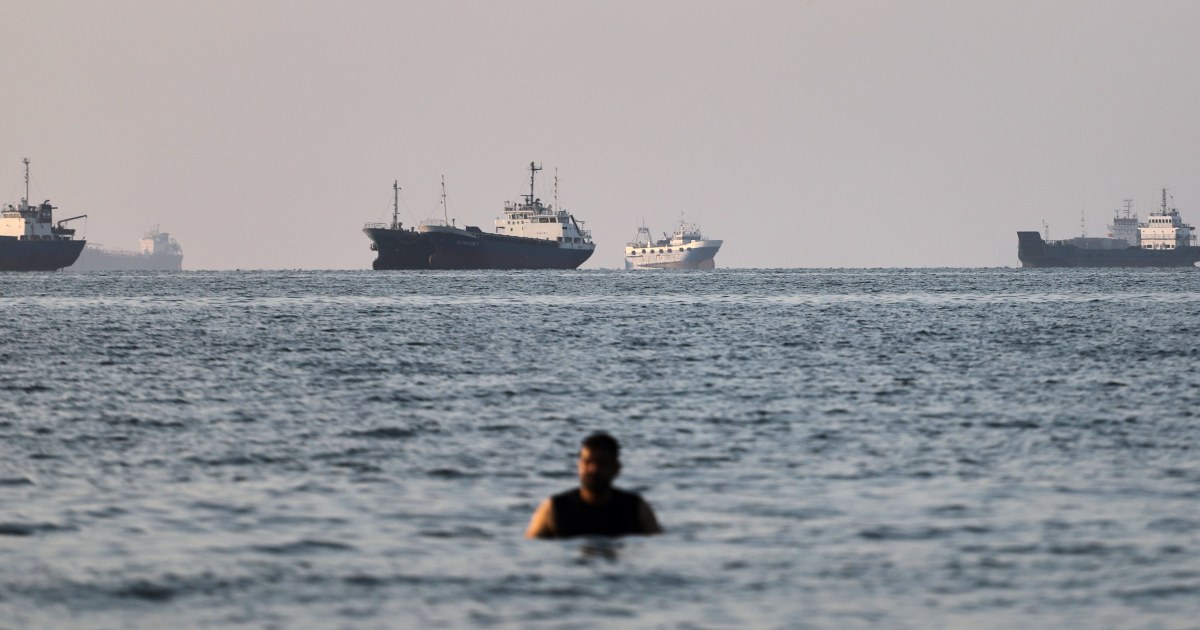
The proposed memorandum of understanding is expected to reopen the Strait of Hormuz, a critical route for the world’s oil and liquefied natural gas, after weeks of controls that rattled global markets. Trump wrote on Truth Social that “The Deal is scheduled to get signed tomorrow, and immediately after it is signed, the Hormuz Strait is OPEN TO ALL.”
He added, “Hopefully, this process will all work out quickly, easily, and smoothly. If it doesn’t, we have the ultimate alternative, hopefully never to be used again!” Trump also said the final deal includes “A WALL TO NO NUCLEAR WEAPON!” and wrote that Iran “no longer want a Nuclear Weapon, nor will they have one, either through purchase, development, or any other form of procurement.”
Pakistan, a key mediator, also signaled that a breakthrough could come soon. Prime Minister Shehbaz Sharif said early Saturday that a peace deal was closer “than ever before,” with finalization “likely expected in the next 24 hours.” He said Pakistan was “preparing for the electronic signing of the peace deal immediately after, followed by technical level talks next week.”
Iranian officials were more cautious. Foreign Minister Abbas Araghchi told Iranian state media Friday that he was hopeful a memorandum of understanding “could happen within the next one or two days, or within the next few days.” But Foreign Ministry spokesman Esmail Baghaei said Saturday that “it will not be tomorrow,” according to Iranian state media, while adding that the “possibility of it being signed in the coming days cannot be ruled out.”
“Due to the other side’s inconsistency,” Baghaei said, “we should remain cautious in making any statements about this process.”
The war began when the U.S. and Israel launched strikes on Iran at the end of February. Iran responded by attacking Israel and U.S.-allied states in the Gulf and imposing strict controls over the Strait of Hormuz, through which 20% of the world’s oil passed before the war. A ceasefire was reached in mid-April, but the sides have exchanged intermittent fire since then, with strikes escalating this week as negotiations continued.
According to NBC News, a regional source, a source familiar with the agreement and a diplomat with knowledge of the text said the memorandum would reopen the Strait of Hormuz immediately without tolls, restore prewar shipping within about 30 days and lift the U.S. blockade of Iranian ports. They said it would include a 60-day extension of the current ceasefire and an end to fighting in Lebanon, where Israel has continued an offensive against Hezbollah despite existing ceasefire agreements.
The BBC reported that Sharif also said the agreement envisaged an end to the conflict between Israel and Hezbollah in Lebanon, while previous U.S. reports had suggested Lebanon might not be part of the deal, with Iran reportedly insisting on it.
Araghchi described some terms differently on Iranian state television. He said Iran could not levy a toll on passage through the Strait of Hormuz but intended to charge a service fee for ships for “services provided,” and that Iran would maintain control over the waterway. He also said Iran’s “sword will remain poised over the Strait of Hormuz indefinitely.”
Araghchi said issues involving Iran’s nuclear program and the lifting of sanctions would be finalized in the next stage of negotiations. U.S. officials have said economic benefits for Iran would depend on Tehran meeting its obligations.
Oil prices fell Friday after Trump said a peace deal was within reach. U.S. crude oil futures for July delivery were at $84 per barrel early Saturday, while Brent futures for August were around $87 per barrel.
Treasury Secretary Scott Bessent told Fox News that a deal would bring economic relief and lower energy prices for Americans. “Maybe as soon as this weekend or Monday, we will get on the other side of this,” he said.
Tensions around the strait continued Friday. U.S. Central Command said Iran launched several drones at commercial ships, adding that U.S. forces had downed all of them and that traffic through the strait continued unimpeded.



Be First to Comment