Key takeaways:
- John Healey resigned as U.K. defense secretary after saying the Defense Investment Plan “falls well short” of what Britain’s armed forces need.
- The BBC reported Healey was offered £13.5 billion over four years and wanted a commitment to raise defense spending to 3% of GDP by 2030.
- Healey cited pressures including Ukraine, the Middle East, the Arctic and Russian activity directed at the U.K. and its allies.
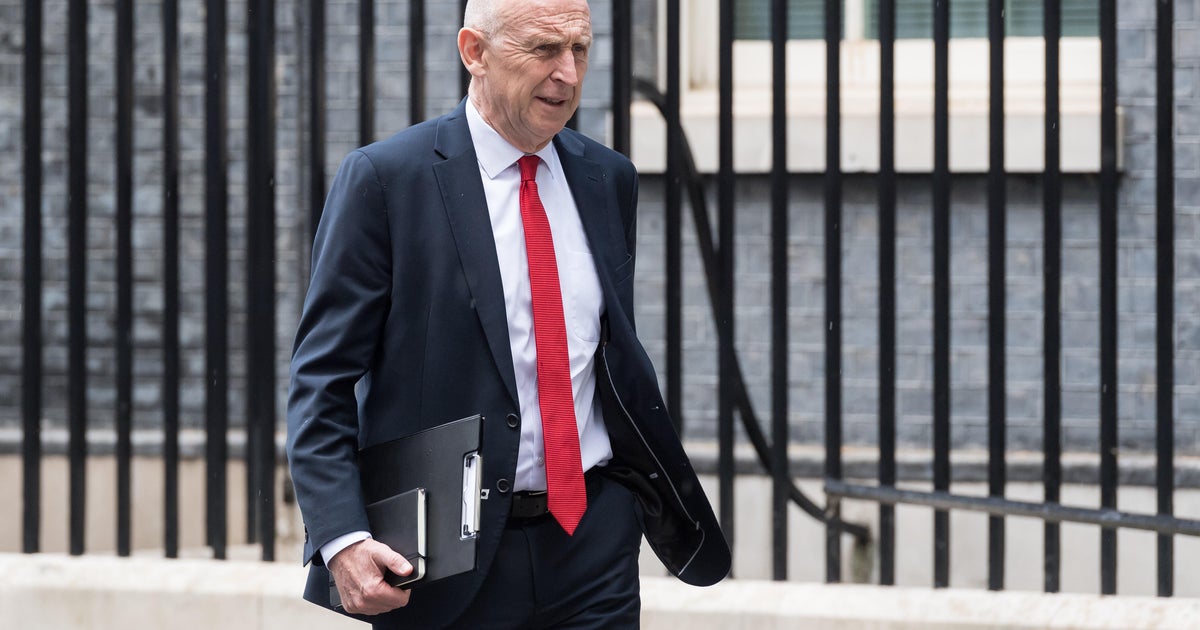
Britain’s defense secretary, John Healey, resigned Thursday after rejecting the government’s military funding plan, saying it would leave the armed forces short of what they need at a time of rising security threats.
In a resignation letter to Prime Minister Keir Starmer, Healey said the Labour government came to power “recognizing Britain faced a new era of threat which demanded a new era for defense,” but had not provided the resources required to meet that challenge. He said the Defense Investment Plan, which he was “first given in full” on Monday, “falls well short of what is required for defence and the country at this dangerous time.”
“You know what defence needs,” Healey wrote to Starmer. “You made the argument for this powerfully in your speech at the Munich Security Conference back in February. Without a DIP that meets the moment in this way, I am being forced to make decisions that would reduce the readiness of our Forces and increase the risk to personnel on operations, and could make the country less safe.”
He added: “After explaining to you that I would not be able to accept a DIP settlement that does not give our Forces the resources they need, I am now left with no other option than to submit my resignation as your Defence Secretary.”
The BBC reported that Healey had pressed Starmer behind the scenes for a larger increase in defense spending than he was offered. The proposal put to him Monday did not include a timetable to raise defense spending to 3% of gross domestic product, an ambition the government has committed to. Healey had pushed for that level to be reached by 2030, the BBC reported.
According to the BBC, Healey was offered an extra £13.5 billion over four years, which defense sources said would amount to £10 billion after what they described as “Treasury trickery.” The BBC said the offer was far below the estimated £28 billion needed to avoid large cuts. It also reported that the plan would take spending from 2.6% of GDP now to 2.68% in 2030, an increase Healey regarded as insufficient.
Starmer suggested in February last year that his government’s ambition was to raise defense spending to 3% of GDP within a couple of years. Months later, NATO leaders agreed on a target of spending 3.5% of GDP on defense by 2035. Starmer is due to meet NATO counterparts in Ankara in July to discuss defense commitments.
Healey’s resignation follows months of disputes over the Defense Investment Plan. In his letter, he pointed to military commitments that he said were stretching resources, including conflict in the Middle East, where Britain is co-leading a multinational Strait of Hormuz mission, and security concerns in the Arctic, where Britain leads NATO’s Arctic Sentry operation. He also cited increased Russian activity directed at the U.K. and its allies, Moscow’s attacks on Ukraine, and the Paris Agreement on Ukraine, which includes a British military deployment after any future ceasefire.
Opposition politicians moved quickly to criticize the government. Green Party leader Zack Polanski called it “a government in chaos, unable to govern, with no leadership, under a caretaker Prime Minister who’s expected to be replaced within weeks.” Conservative leader Kemi Badenoch said she was “glad” Healey “agrees” with her assessment of the government’s approach and called it “shocking” that the current spending plan could put British troops at risk.
The BBC reported that some who worked with Healey at the Ministry of Defence also criticized him, saying he had been warned the budget was already overcommitted and that Labour’s strategic defense review had substantially increased unfunded ambitions. A defense source described his assumption that the books could be balanced through large adjustments as “inept.”
Healey’s departure comes as Britain seeks to strengthen NATO’s deterrence posture and expand its role in European security, while President Trump has renewed criticism of NATO members for not spending enough on collective defense.





Be First to Comment