Key takeaways:
- Bilal Mohammed and Yusufu Mieraili were sentenced to death for the Aug. 17, 2015, bombing at Bangkok’s Erawan shrine.
- The attack killed 20 people and injured more than 120, making it Thailand’s deadliest bombing.
- The defendants denied the charges, alleged torture over confessions and are expected to appeal the verdict.
A Thai court sentenced two ethnic Uyghur men to death Thursday for the 2015 bombing of Bangkok’s Erawan shrine, the deadliest attack in the country’s history, ending a decade-long case marked by repeated delays, disputed confessions and criticism from human rights groups.
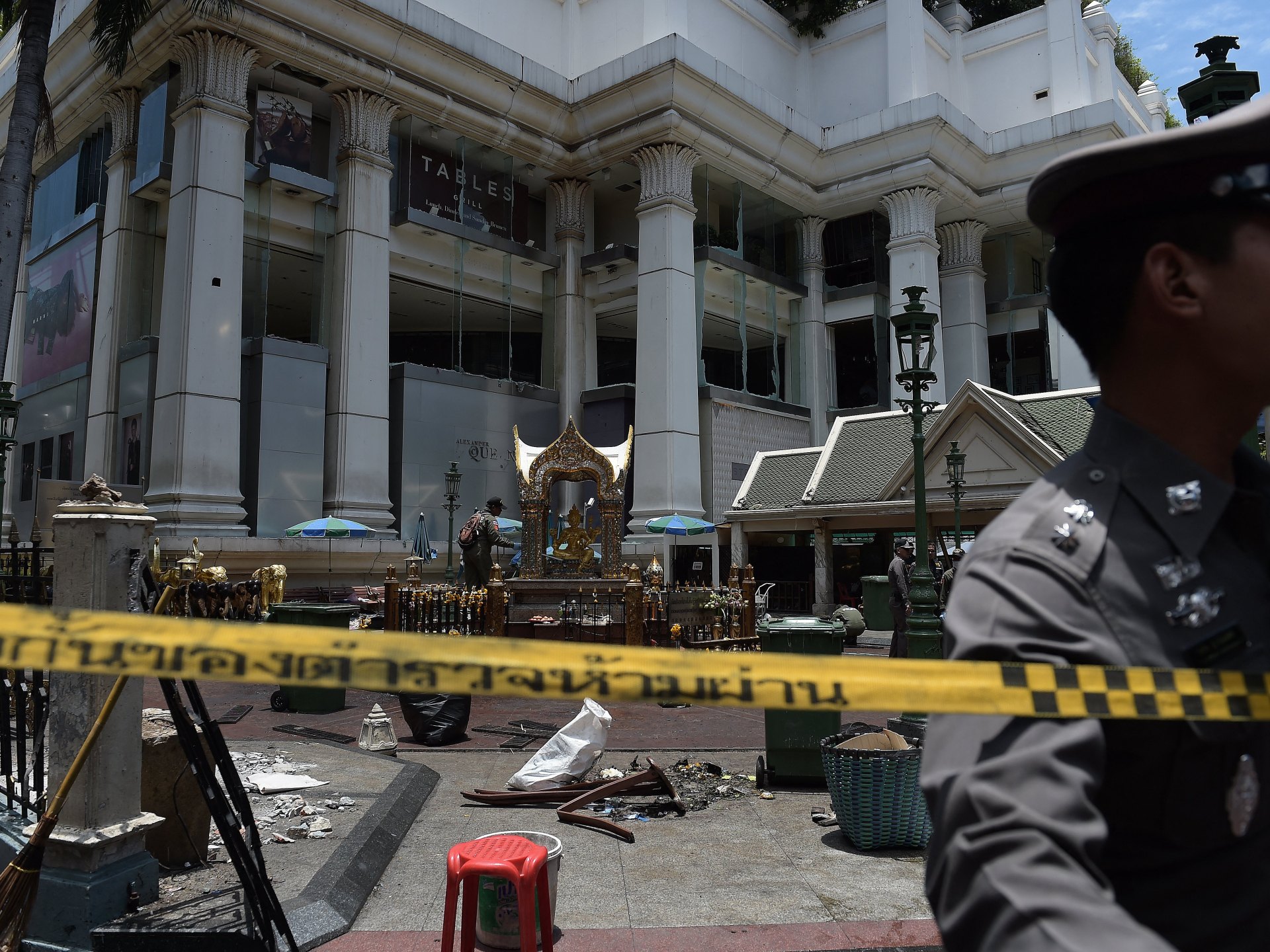
The Bangkok South Criminal Court convicted Bilal Mohammed and Yusufu Mieraili, both Chinese nationals, of crimes including premeditated murder, attempted murder and illegal possession of explosive materials over the Aug. 17, 2015, blast at the shrine in the capital’s commercial heart. Twenty people were killed and more than 120 were injured when a powerful bomb exploded as worshippers and tourists gathered at the site, which is popular with foreign visitors, including people from mainland China and Hong Kong.
“The defendants committed a single act that violated multiple laws. The court therefore imposed the harshest penalty available under the law, the death sentence,” one member of the four-judge panel said, according to Al Jazeera.
Both men pleaded not guilty and have repeatedly denied involvement. After the verdict, Mieraili said: “RIP Thailand’s justice system. I don’t accept any of this. I didn’t do anything wrong.” Choochat Kanpai, a lawyer for one of the men, said they would appeal within a month. The BBC also reported that their lawyer said they would appeal the verdict.
The bomb tore through the Erawan shrine area, injuring people at the shrine and nearby intersection and leaving debris, motorbike fragments and burned wreckage. A second bomb was later kicked into a canal in another location and exploded harmlessly, according to the BBC.
Police arrested the two men within two weeks of the attack. Bilal Mohammed was found in a house on the outskirts of Bangkok where authorities said they discovered chemicals suitable for making bombs. He had a forged Turkish passport under the name Adem Karadag. Mieraili was apprehended in Cambodia and handed over to Thailand.
Thai police initially said neither man was the person seen in grainy security video leaving a backpack under a bench near the shrine, the BBC reported. They later charged Bilal Mohammed with planting the bomb, though the BBC reported he bore little resemblance to the man in the footage. Arrest warrants were also issued for 13 other people, some of whom had already left the country.
The court found there was enough evidence to convict the pair, including police-submitted phone records showing both men near the scene at the time of the bombing and communicating with each other, the BBC reported. Al Jazeera reported that prosecutors linked the men to the bombing through video, fingerprints and other evidence.
The case stretched for more than 10 years. It began in 2016 in a military court, when Thailand was under military rule following a coup, and moved to a civilian court in 2022, Al Jazeera reported. Prosecutors compiled at least 10,000 pages of testimony and questioned more than 400 witnesses. Proceedings were repeatedly delayed, including over difficulties finding a Uyghur-speaking interpreter. The defendants rejected interpreters offered by the Chinese embassy, the BBC reported.
The two men complained they had been tortured into making confessions and withdrew those statements once the trial began in military court, according to the BBC. The International Commission of Jurists criticized the case, saying: “The investigation, prosecution, and trial of Bilal Mohammed and Yusufu Mieraili have been rife with human rights violations and have exposed some of the systemic deficiencies of Thailand’s criminal justice system.”
No group claimed responsibility for the bombing. Security experts have suspected the attack was retaliation for Thailand’s forced deportation of more than 100 Uyghurs to China the previous month, Al Jazeera reported. The Thai military government rejected that explanation, at times suggesting opponents of the junta or human traffickers were responsible, according to the BBC.
China welcomed the verdict. “The attackers were totally inhumane and extremely heinous. China supports Thailand in conducting the trial in accordance with the law and severely punishing the murderers,” Chinese foreign ministry spokesman Lin Jian said.





Be First to Comment