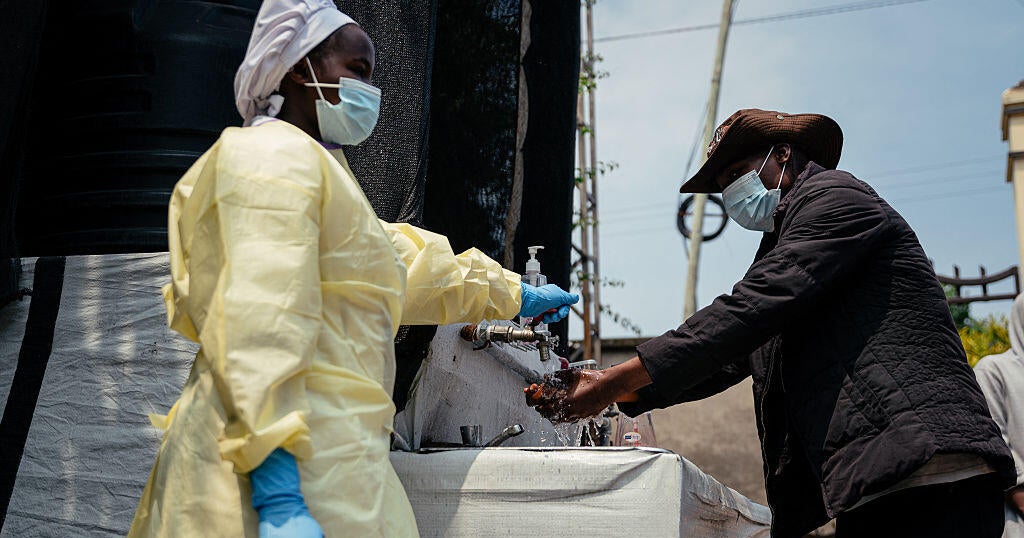
Key takeaways:
- The current Ebola outbreak in Congo and Uganda involves the Bundibugyo virus, a rare strain with no approved vaccines or treatments.
- There are nearly 500 suspected cases and 116 deaths reported, with the WHO declaring a public health emergency of international concern.
- Supportive care, including rehydration and symptom management, is critical to improving survival in Bundibugyo virus infections.
The Ebola outbreak spreading across the Democratic Republic of Congo and Uganda involves the Bundibugyo virus, a less common strain of Ebola for which there are currently no approved vaccines or treatments. As of Monday, the United Nations reported nearly 500 suspected cases and 116 deaths. The World Health Organization (WHO) declared the outbreak a public health emergency of international concern on Sunday.
The Bundibugyo virus has caused only two previous known outbreaks, one in Uganda in 2007 with 149 cases and 37 deaths, and another in Congo in 2012 with 57 cases and 29 deaths. This current outbreak is larger and has raised significant concern due to the lack of targeted medical countermeasures.
Ebola disease is caused by several species of orthoebolaviruses, with the Zaire strain being the most common and deadly. The only approved vaccines and treatments target the Zaire strain, which can have a fatality rate of up to 90%. In contrast, the Bundibugyo virus has a fatality rate estimated between 25% and 50%, based on previous outbreaks and expert assessments.
The virus spreads through direct contact with bodily fluids of infected individuals or contaminated surfaces, including during the handling of deceased victims. Early symptoms of Bundibugyo virus disease include fever, fatigue, muscle pain, headache, and sore throat, which can progress to vomiting, diarrhea, abdominal pain, rash, organ dysfunction, and occasionally bleeding.
Dr. Céline Gounder, an infectious diseases specialist, noted that because Bundibugyo outbreaks have been rare, there is less data on its behavior compared to the Zaire strain. Dr. Geeta Sood, a hospital epidemiologist, emphasized the importance of supportive care such as rehydration and monitoring of vital functions to improve survival chances.
Among those infected is an American doctor working with an aid group in Congo, who has tested positive for the virus and will be transferred to Germany for treatment. Six other Americans exposed to the virus will also be sent to Germany for observation. The Centers for Disease Control and Prevention (CDC) stated that there are no cases in the United States and the risk to the U.S. population remains low.
Currently, no vaccines or treatments are approved for Bundibugyo virus infection. Experimental vaccines are in early development stages, including an mRNA-based vaccine in China targeting multiple Ebola strains, but none have reached human trials. The CDC is exploring potential treatments such as monoclonal antibodies designed to mimic the immune response.
The WHO and health experts stress that early intensive supportive care is critical. “Seeking early care can be lifesaving,” the WHO said, highlighting the need for hydration and management of symptoms to improve outcomes during this outbreak.










Be First to Comment