Key takeaways:
- China commits to purchasing 200 Boeing planes with potential to increase to 750.
- China agrees to buy at least $17 billion annually in U.S. agricultural products through 2028.
- The U.S. and China establish a Board of Trade and a Board of Investment to manage trade disputes and investment issues.
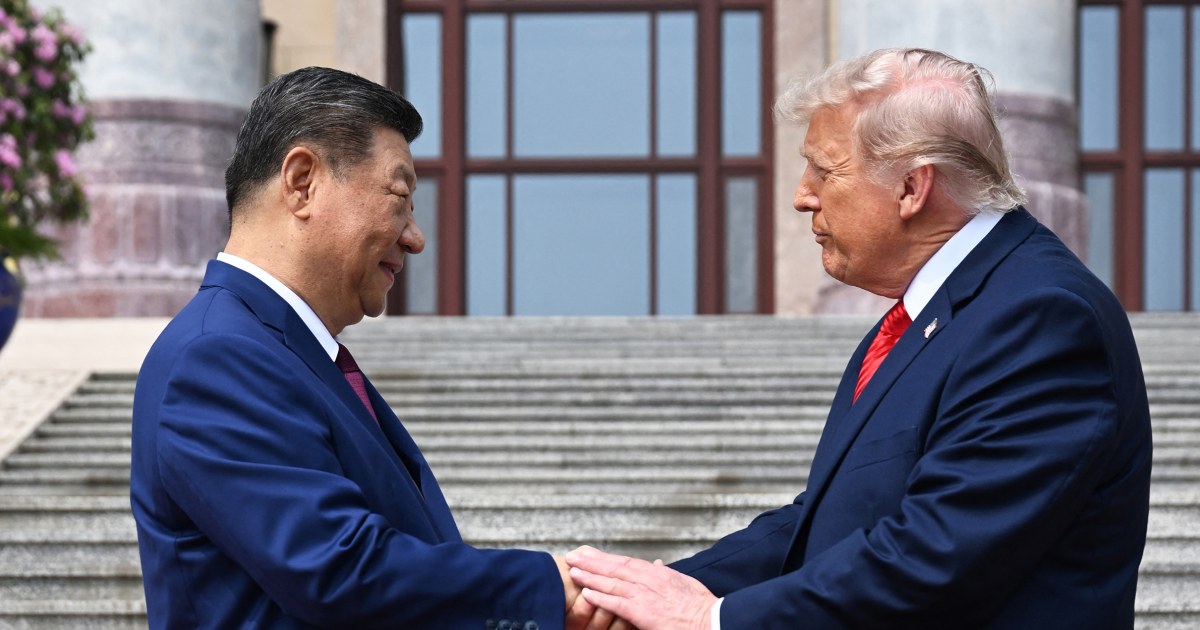
President Donald Trump’s recent summit with Chinese President Xi Jinping in Beijing resulted in modest trade agreements and a framework for future cooperation, though experts say no major breakthroughs were achieved. Trump described the visit as “incredible” and touted “fantastic trade deals,” but analysts and trade experts remain cautious about the impact of the agreements.
One of the most tangible outcomes was China’s commitment to purchase 200 Boeing aircraft, with the potential to increase to 750 planes. Boeing called the trip a success, highlighting the reopening of the China market to orders. However, the initial order was smaller than anticipated, leading to a 3.8% drop in Boeing shares. Trump also announced that China agreed to buy more U.S. oil and agricultural products, including “billions of dollars of soybeans,” and the White House fact sheet confirmed China’s pledge to purchase at least $17 billion in U.S. agricultural goods annually through 2028. Additionally, China restored market access for hundreds of U.S. beef facilities and resumed poultry imports from states free of bird flu.
Despite these announcements, experts noted the agreements largely consist of verbal commitments without detailed, binding terms. Erica Downs, a China energy policy expert at Columbia University, said there was no confirmation of specific energy purchase volumes. Wendy Cutler, a former U.S. trade negotiator, expressed disappointment over the lack of detailed commitments on other farm products like corn and beef. Economists also pointed to past instances where similar agreements failed to materialize amid rising tensions.
The summit’s broader significance lies in the establishment of two new mechanisms: a Board of Trade and a Board of Investment. The Board of Trade aims to mediate trade disputes and could lead to tariff reductions on about $30 billion in goods, though this represents less than 10% of bilateral trade. The Board of Investment will provide a forum to discuss investment-related issues. China also agreed to address U.S. concerns regarding export controls on rare earth minerals, essential for technology and defense industries. However, Beijing has not immediately confirmed these commitments.
Geopolitical issues such as Taiwan and the Iran conflict remained unresolved. The U.S. and Chinese readouts of the talks notably omitted mention of Taiwan and Iran, respectively. Xi warned Trump that mishandling Taiwan could lead to conflict, while Trump suggested both sides needed to “cool down a bit” and indicated he was “not looking to have somebody go independent.” Trump also referenced a proposed $14 billion arms package for Taiwan as a potential bargaining chip, a move some experts say contradicts longstanding U.S. policy.
On Iran, both leaders expressed opposition to Iran’s blockade of the Strait of Hormuz and its nuclear ambitions. Trump claimed Xi offered help, though U.S. officials said no requests were made. Analysts doubt Beijing will increase pressure on Tehran beyond current levels.
The summit concluded with Trump announcing Xi’s planned visit to Washington on September 24, a move seen as a stabilizing factor in U.S.-China relations. Experts caution, however, that many challenges remain, including cyberattacks, technology restrictions, and geopolitical tensions in the Western Hemisphere. Observers also noted a shift in the dynamic between the two leaders, with Xi projecting strength and parity, while Trump appeared to seek Xi’s favor.
Overall, the summit laid groundwork for continued dialogue but delivered only modest trade deals, leaving many details and potential conflicts unresolved.







Be First to Comment