Key takeaways:
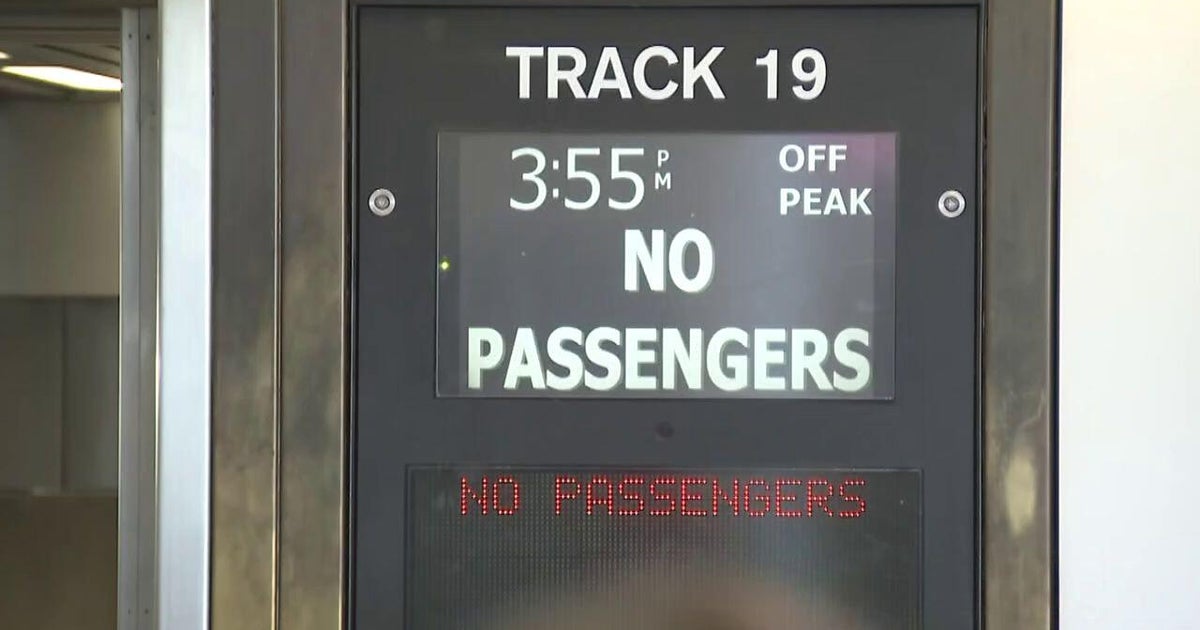
- LIRR workers began a strike Saturday, halting service on North America's busiest commuter rail system.
- The MTA activated contingency plans including free shuttle buses from Long Island to Queens subway connections.
- Negotiations stalled over wages and healthcare, with unions and MTA exchanging blame for the strike.
Long Island Rail Road (LIRR) workers began a strike early Saturday, halting service on North America’s busiest commuter rail system and leaving hundreds of thousands of weekday riders scrambling for alternatives. The strike, the first in about 30 years, has raised concerns about Monday’s commute for roughly 250,000 daily passengers traveling between Long Island and New York City.
Union members returned to picket lines at various locations across New York City and Long Island on Sunday, demanding better wages and healthcare benefits after years without raises amid rising living costs. Karl Bischoff, president of the Brotherhood of Locomotive Engineers and Trainmen, criticized the Metropolitan Transportation Authority (MTA) for what he described as a lack of urgency and accountability in negotiations. “The MTA never really came to the table to negotiate until we had to call them out at their last board meeting,” Bischoff said.
The MTA, led by President and CEO Janno Lieber, countered that the union chose to end talks and initiate the strike. “We never broke off negotiations. The union elected to cut off negotiations and go on strike and inconvenience everybody. That was their choice,” Lieber said on CBS News New York Sunday morning. He added that LIRR workers are among the best-paid in the national railroad system and that their demands for higher pay were unfair compared to other MTA employees. Lieber also emphasized the financial strain that conceding to the union’s demands would place on the MTA and taxpayers.
Governor Kathy Hochul, speaking alongside Lieber and other officials, acknowledged the workers’ right to fair wages but warned that the strike jeopardizes those gains. “Just three days of a strike would erase every dollar of additional salary that workers would receive under a new contract,” she said. Hochul urged all parties to return to the bargaining table and encouraged non-essential workers to work from home Monday. She also detailed the MTA’s contingency plans, which include free shuttle buses from six Long Island train stations to subway connections in Queens. These shuttles will run from Bay Shore, Hicksville, Mineola, and Lakeview to Howard Beach-JFK Airport, and from Ronkonkoma and Huntington to Jamaica-179th Street.
Nassau County Executive Bruce Blakeman, Hochul’s opponent in the upcoming gubernatorial election, criticized her handling of the strike, calling it “a failure of leadership.” He praised the unions and called for the suspension of the controversial Manhattan congestion pricing toll during the strike, arguing that residents should not have to pay tolls on roads already funded by taxes. Blakeman also called for new leadership at the MTA, accusing Lieber of mismanagement.
The unions representing about 3,500 LIRR workers said the strike was avoidable and that negotiations had stalled over less than a one percent difference in wage proposals. IAM Union International President Brian Bryant stated, “Long Island Rail Road workers want to be doing what they’ve always done — serving the riding public and keeping LIRR moving safely and efficiently.” He added that workers deserve a fair contract recognizing their contributions and sacrifices and that the coalition remains ready to negotiate if the MTA is prepared to bargain seriously. The unions also cited recommendations from two presidential emergency boards supporting stronger wage increases.
Hochul defended the MTA’s stance, emphasizing the agency’s inability to accept labor demands that would lead to steep fare hikes and increased taxes. “New York is a pro-labor state,” she said. “We believe in working men and women receiving a fair wage and benefits, but the MTA cannot agree to a contract that would raise fares as much as 8% and risk hiking taxes for Long Islanders.”
Weekend events have already been affected, with commuters facing long delays and some giving up tickets to concerts and sporting events due to travel difficulties. Shuttle bus services are set to begin early Monday morning, but many riders remain concerned about the impact on their daily routines as the strike continues with no new negotiations scheduled.











Be First to Comment