Key takeaways:
- The S&P 500 closed at a record 7,023, up 0.8%, and the Nasdaq reached 24,016, its highest ever.
- Investor optimism is driven by expectations that the Iran conflict will de-escalate soon, supported by comments from President Trump and analysts.
- Strong corporate earnings, especially from major banks and tech companies, have bolstered market gains despite rising oil prices and inflation concerns.
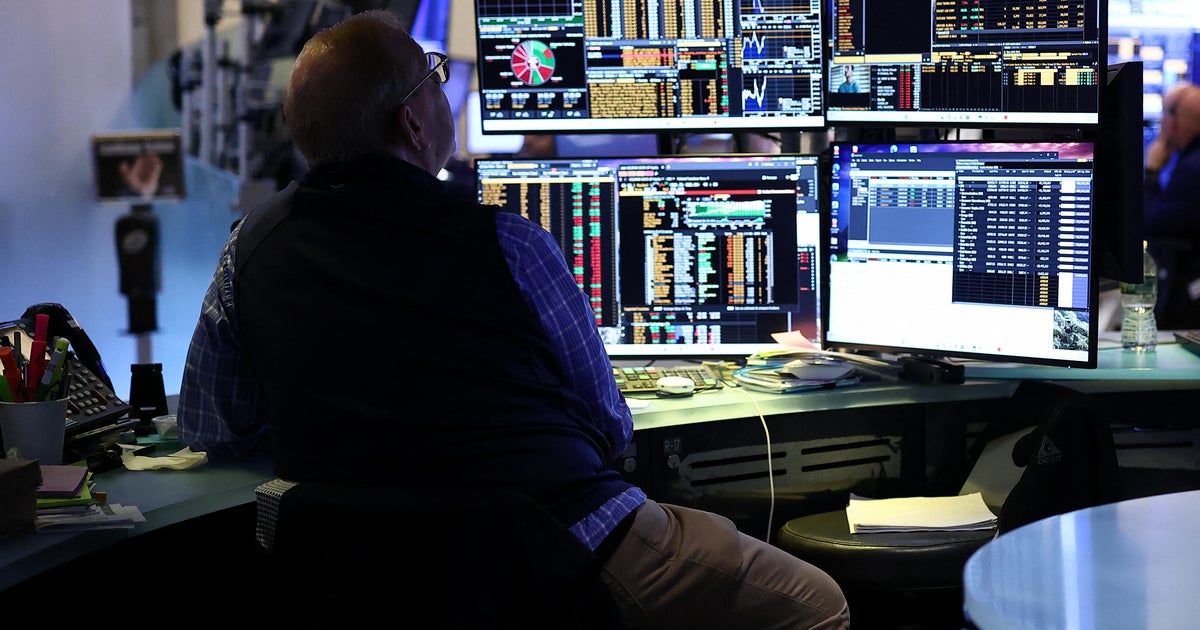
The S&P 500 and Nasdaq Composite indexes surged to new all-time highs on Wednesday, reflecting investor optimism despite ongoing tensions in the Middle East and rising energy costs. The S&P 500 climbed 56 points, or 0.8%, closing at 7,023 and surpassing its previous record of 7,002.28 set in late January. The Nasdaq jumped 377 points, or 1.6%, to 24,016, eclipsing its prior high from October 2025 and marking its longest winning streak since 2021 with 10 consecutive days of gains. Meanwhile, the Dow Jones Industrial Average fell 72 points, or 0.2%.
This rally marks a sharp turnaround from late March, when the Dow entered correction territory after a nearly 10% drop driven by the U.S.-Israel war on Iran and soaring oil prices. Since then, markets have adjusted to the conflict’s uncertainty, with investors betting on a de-escalation. Adam Crisafulli, head of Vital Knowledge, told CBS News, “I feel like it’s becoming the consensus view that this will be resolved, in which case the current impact from it, the economic fallout, will be brief.” President Donald Trump echoed this sentiment in a Fox News interview, stating the fighting is “very close to over,” though he also noted, “we’re not finished” with the war yet.
Scott Wren, senior global market strategist at Wells Fargo Investment Institute, expects the conflict to continue for weeks but not months, adding that investors anticipate the reopening of the Strait of Hormuz, a critical chokepoint for global oil. Wells Fargo projects the S&P 500 could reach between 7,400 and 7,600 points by year-end.
Strong corporate earnings have bolstered market sentiment. Bank of America reported first-quarter profits of $8.6 billion, a 17% increase from the previous year, while Morgan Stanley also exceeded expectations. Nigel Green, CEO of the deVere Group, noted, “Markets have absorbed a surge in oil prices and ongoing geopolitical strain without derailing earnings expectations.” Crisafulli highlighted the resilience of economic activity on both consumer and corporate fronts, citing positive reports from major banks including Wells Fargo and JPMorgan.
The technology sector has been a key driver of gains, with the “Magnificent 7” mega-cap tech companies—Apple, Microsoft, Alphabet, Amazon, Nvidia, Meta, and Tesla—leading the charge. Since the S&P 500’s low on March 30, a fund tracking these seven companies rose nearly 18%, compared to an 8% gain for the rest of the index. Upcoming earnings reports from tech giants such as Alphabet, Amazon, Apple, and Microsoft are anticipated to further influence market direction.
Despite the rally, rising energy costs remain a concern. U.S. crude oil prices have increased nearly 60% since the start of the year, with Brent crude up about 55%, pushing the national average gas price to $4.10 per gallon, a 37% increase since the war began. Economists warn that high fuel prices could slow global economic growth. The International Monetary Fund recently lowered its 2026 global growth forecast to 3.1% from 3.3% and raised its inflation forecast to 4.4% from 4.1%.
Market analysts urge caution amid the optimism. ING analysts stated, “Markets are increasingly pre-empting a positive outcome as the U.S. and Iran prepare for a new round of talks,” while Deutsche Bank Research noted the recent 9.8% rise in the S&P 500 over 10 sessions is the fastest since the post-Covid bounceback in April 2020. NBC News reported that new in-person negotiations between the U.S. and Iran could occur as early as this week, adding to the evolving situation.
Overall, the stock market’s resilience amid geopolitical tensions and economic challenges underscores investor confidence in a potential resolution and continued economic strength.






Be First to Comment