Key takeaways:
- At least 203 people were killed in Israeli strikes on Lebanon on Wednesday, with hundreds wounded.
- Iran and Pakistan assert Lebanon was included in the US-Iran ceasefire, while US officials deny this.
- Israel vows to continue targeting Hezbollah in Lebanon, despite international calls to halt hostilities.
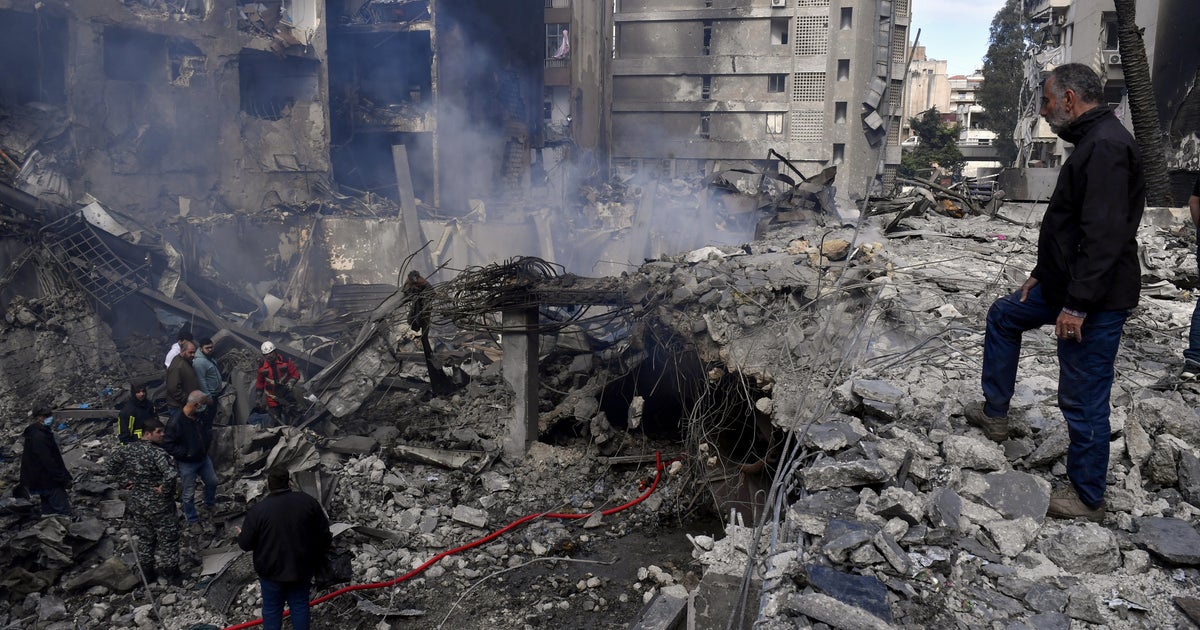
Beirut faced devastating new attacks Thursday as Israel intensified its bombardment of Lebanon, raising fears that the fragile ceasefire between the United States and Iran could collapse. The Lebanese health ministry reported at least 203 people killed in Israeli strikes on Wednesday alone, with hundreds more wounded. Rescue workers in Beirut searched through rubble overnight, while hospitals were overwhelmed with casualties, including traumatized children arriving without parents.
Adam Nsouli, a nurse at the American University Hospital in Beirut, described the scene as “like a Hollywood movie,” with smoke, fire, and screams filling the air. “We didn’t stop receiving rescued and dead people all night,” he said.
Israel launched a barrage of at least 100 strikes within 10 minutes targeting Hezbollah positions, including headquarters and weapons depots, many located in densely populated civilian areas. The Israel Defense Forces (IDF) accused Hezbollah of using civilians as human shields. Israeli Prime Minister Benjamin Netanyahu vowed to continue striking Hezbollah “wherever necessary,” announcing the killing of Ali Yusuf Harshi, the personal secretary and nephew of Hezbollah’s Secretary-General Naim Qassem.
Hezbollah responded with rocket fire into northern Israel, stating their “response will continue until the attacks on Lebanon stop.” Sirens sounded in Israeli border communities early Thursday.
The escalation has drawn widespread international condemnation and confusion over whether Lebanon was included in the ceasefire deal brokered between the US and Iran. Iranian officials insist Lebanon was part of the agreement, with Parliamentary Speaker Mohammad Bagher Ghalibaf warning of “explicit costs and STRONG responses” if attacks continue. Iranian Deputy Foreign Minister Saeed Khatibzadeh called Israel’s strikes “a grave violation” of the deal and said the US must choose “between war and ceasefire.”
Conversely, US officials, including Vice President JD Vance, denied Lebanon was included, calling the dispute a “legitimate misunderstanding.” Vance expressed optimism about the upcoming peace talks in Pakistan, noting “a lot of points of agreement” with Iran despite the messy ceasefire.
The United Nations Secretary-General Antonio Guterres also warned that ongoing Israeli military activity in Lebanon “poses a grave risk” to the ceasefire and regional peace efforts.
European voices echoed concern. British Foreign Secretary Yvette Cooper urged an end to hostilities and inclusion of Lebanon in the truce, while French Foreign Minister Jean-Noël Barrot condemned the attacks as “intolerable.” Pakistan and the European Union expressed worry over serious ceasefire violations. Spain’s Foreign Minister Jose Manuel Albares accused Israel of “flouting the ceasefire” and announced the return of Spain’s ambassador to Tehran to support peace efforts.
Meanwhile, the conflict’s economic impact reverberated globally. Oil prices climbed back toward $100 a barrel amid uncertainty, and Asian and US stock markets cooled after initial optimism following the ceasefire announcement. Iran maintained control over the Strait of Hormuz, warning vessels to follow designated routes to avoid sea mines and imposing fees for safe passage.
Iranian officials stated they would establish new protocols for safe navigation through the strait in coordination with Oman and the international community, emphasizing energy security and adherence to international law.
President Trump reaffirmed that all US military assets in the Middle East would remain in place, warning that if Iran fails to comply with the ceasefire terms, he would order “large-scale attacks”. He stressed that the deal requires Iran not to develop nuclear weapons and to keep the Strait of Hormuz “OPEN & SAFE.”
The conflict has displaced over a million people in Lebanon, with many fleeing to Beirut only to face renewed attacks. Lebanese citizens expressed feelings of betrayal and devastation, with a national day of mourning declared. Humanitarian workers described the recent strikes as a massacre, highlighting the suffering of civilians caught in the crossfire.
As the situation remains volatile, the upcoming US-Iran talks in Islamabad are seen as critical, though doubts persist about the durability of the ceasefire amid ongoing violence in Lebanon and northern Israel.








Be First to Comment