Key takeaways:
- President Donald Trump will attend Supreme Court oral arguments on his executive order ending birthright citizenship, marking the first time a sitting president has attended such a session.
- The executive order challenges the Fourteenth Amendment’s Citizenship Clause, which grants citizenship to nearly all individuals born in the U.S., and has faced legal injunctions preventing its enforcement.
- The Supreme Court’s conservative majority will hear the case, with a ruling expected by July, potentially impacting immigration law and constitutional citizenship rights.
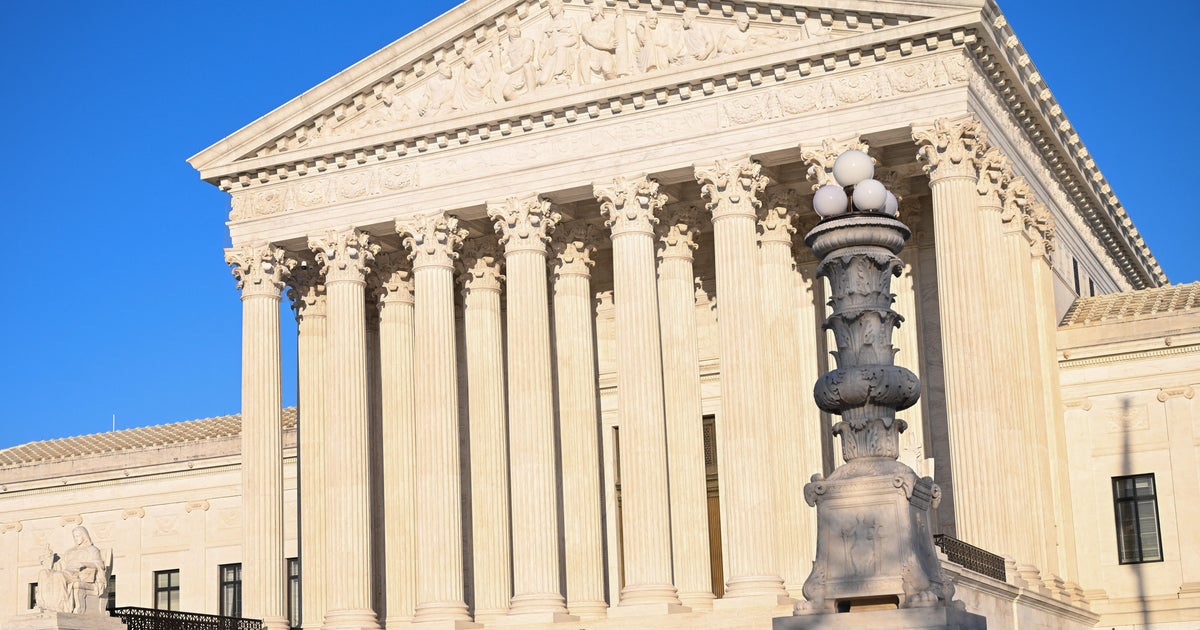
President Donald Trump is scheduled to attend Supreme Court oral arguments on Wednesday concerning the constitutionality of his executive order aimed at ending birthright citizenship for children born in the United States to undocumented or temporarily present immigrants. According to the White House’s official schedule, Trump plans to be present at the 10 a.m. session, which would mark the first time a sitting president has personally attended arguments at the Supreme Court. The case, Trump v. Barbara, represents a significant challenge to a longstanding interpretation of the Fourteenth Amendment.
The executive order in question was signed by Trump on his first day back in office, January 20, 2025. It seeks to override the Citizenship Clause of the Fourteenth Amendment, which states that “all persons born or naturalized in the United States, and subject to the jurisdiction thereof, are citizens of the United States.” This clause has historically been understood to grant citizenship to nearly all individuals born on U.S. soil, regardless of their parents’ immigration status. The order has faced numerous legal challenges and has not been implemented due to injunctions blocking its enforcement.
Legal experts and historians note that the Fourteenth Amendment was adopted after the Civil War to overturn the Supreme Court’s 1857 Dred Scott decision, which denied citizenship to Black Americans. The amendment’s framers intended to ensure that all persons born in the United States would be citizens, a principle affirmed in the 1898 Supreme Court case United States v. Wong Kim Ark. In that case, the Court ruled that a child born in the U.S. to Chinese immigrant parents was a citizen by birth, reinforcing the broad application of birthright citizenship. Opponents of Trump’s order argue that the administration’s interpretation—that the amendment only applies to former slaves and their descendants and excludes children of undocumented or temporary immigrants—is inconsistent with the amendment’s text, history, and judicial precedent.
The Supreme Court’s conservative majority, including three justices appointed by Trump, will hear the case, with a ruling expected by July. While the Court has occasionally ruled against the Trump administration in recent months, including striking down several of Trump’s tariffs, the birthright citizenship case presents a pivotal test of the administration’s immigration policies. Trump has expressed skepticism about the Court’s willingness to uphold his position, predicting on his social media platform that the justices might “find a way to come to the wrong conclusion.” The outcome of this case could have far-reaching implications for immigration law and the interpretation of constitutional citizenship rights in the United States.







Be First to Comment