Key takeaways:
- The DHS shutdown has reached 45 days, the longest in U.S. history, due to House Republicans rejecting a Senate bipartisan funding package that excluded ICE and parts of CBP, leading the House to pass a full funding resolution through May 22.
- The shutdown has severely impacted TSA operations, causing staffing shortages and long airport security lines, with ICE agents temporarily deployed to assist TSA, while political negotiations remain stalled during a congressional recess.
- Senate leaders are seeking compromise, but Democrats insist on the Senate’s comprehensive funding bill, with some Republicans urging an early end to recess to resolve the impasse, and President Trump supporting continued TSA payments via executive order.
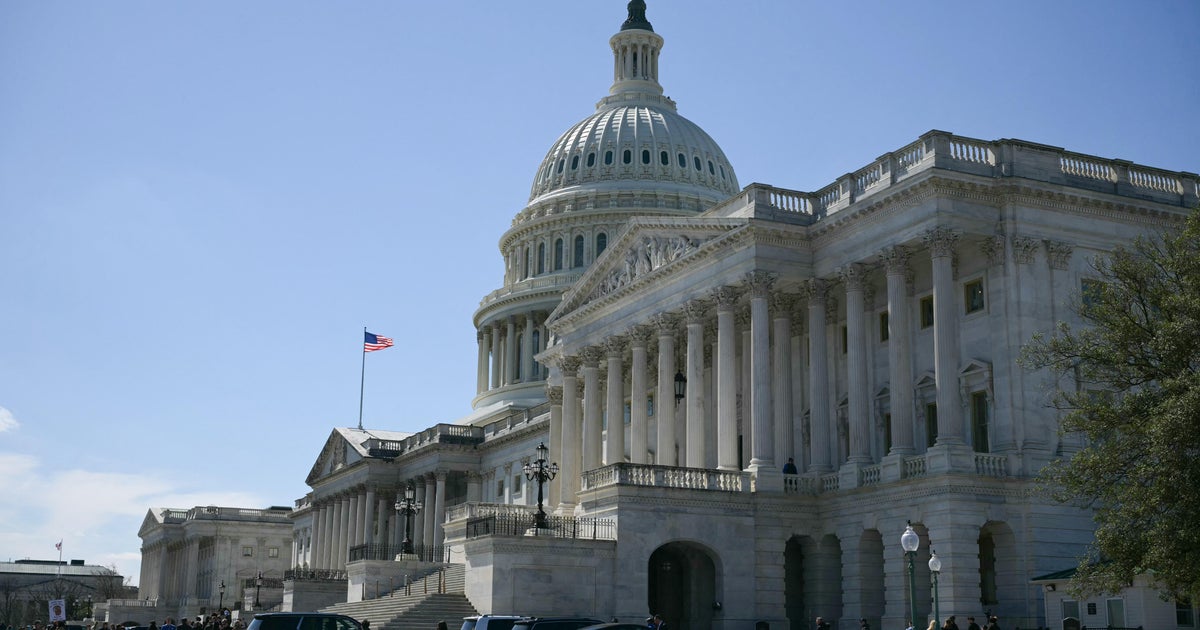
The Department of Homeland Security (DHS) shutdown has become the longest in U.S. history, now stretching to 45 days, after House Republicans rejected a Senate-passed bipartisan funding package last week. The Senate’s proposal would have restored funding to most of DHS but excluded Immigration and Customs Enforcement (ICE) and parts of Customs and Border Protection (CBP). House Republicans, led by Speaker Mike Johnson, opposed this approach, arguing that the Senate deal was negotiated without full transparency and refused to fund ICE and CBP separately. Instead, the House passed a continuing resolution (CR) late Friday to fund the entire department through May 22, with support from all House Republicans and three Democrats.
The Senate had unanimously approved a measure to fund DHS agencies excluding ICE and some CBP components after President Donald Trump announced an executive order to pay Transportation Security Administration (TSA) officers amid widespread staffing shortages. The shutdown has severely impacted TSA operations, with many agents resigning or calling out sick due to missed paychecks, leading to long security lines at airports nationwide. To mitigate these issues, the administration has deployed ICE agents to assist TSA at busy airports, though the effectiveness of this support remains uncertain.
Following the House’s passage of its own funding measure, both chambers recessed for a two-week break and are not scheduled to return until the week of April 13. Senate Majority Leader John Thune said he is working with Senate Minority Leader Chuck Schumer to find common ground, but a spokesperson for Schumer emphasized that Democrats will not accept any funding package less comprehensive than the Senate’s unanimous bill. The spokesperson also attributed the ongoing shutdown to Republican divisions, stating, “With the division and intransigence among Republicans it is clear that this is a Republican shutdown.”
White House border czar Tom Homan expressed hope that President Trump would compel Congress to return early from recess to resolve the funding impasse. Homan noted that while TSA workers would begin receiving paychecks starting Monday due to the president’s executive order, ICE agents would remain at airports to support TSA operations until normalcy is restored. President Trump praised ICE workers for their efforts during the shutdown and affirmed the administration’s commitment to continue paying TSA employees “for as long as we have to.” Meanwhile, calls from some Republican senators, including Mike Lee of Utah, urge Congress to cut its recess short to apply pressure on Democrats to fund DHS, though it remains unclear whether the president will take formal action to convene lawmakers ahead of schedule.








Be First to Comment