Key takeaways:
- Conservative activists at CPAC support Trump’s military action against Iran but express concerns about economic strain, avoiding U.S. ground troops, and potential Republican Party divisions ahead of midterms.
- Rising gas prices and economic burdens are major worries among attendees, with fears that sustained high costs could reduce voter support for Republicans despite strong loyalty to Trump.
- The ongoing conflict has intensified political tensions, including a historic DHS shutdown and protests nationwide, highlighting uncertainty about the war’s future and its impact on U.S. domestic politics and security.
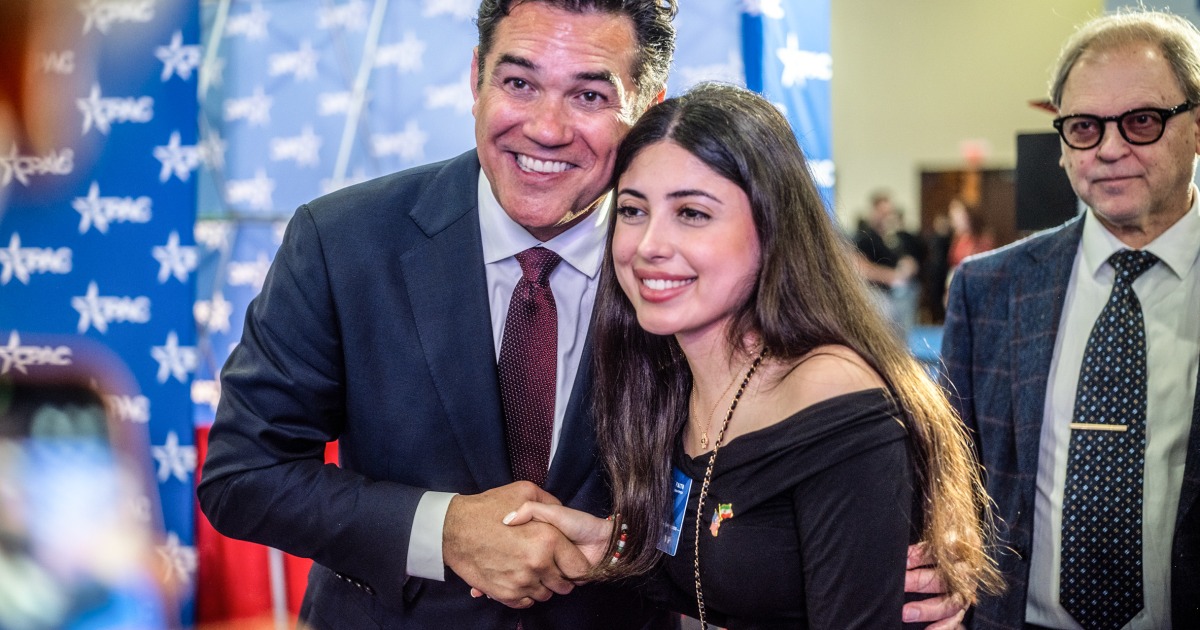
Conservative activists gathered at the annual Conservative Political Action Conference (CPAC) in Grapevine, Texas, expressed continued support for former President Donald Trump’s decision to launch military action against Iran, while also voicing concerns about the broader consequences of the conflict. The war, which entered its fifth week, has sparked a mix of hope and apprehension among attendees, many of whom believe the conflict could be justified if it leads to a swift resolution, lower gas prices, no deployment of U.S. ground troops, and a popular uprising within Iran to overthrow the current regime.
Kyle Sims, a Republican strategist from Texas, encapsulated the cautious optimism shared by many at CPAC. While backing Trump’s approach, Sims acknowledged the domestic economic strain caused by the conflict, particularly the rising cost of groceries and fuel. “Everyday people are hurting,” he said, emphasizing his opposition to sending American troops into Iran to avoid another prolonged war like those in Iraq and Afghanistan. This sentiment was echoed by other attendees who fear that the war could deepen divisions within the Republican Party and negatively impact the party’s prospects in the upcoming midterm elections.
The conflict’s impact on gas prices was a recurring theme among CPAC participants. Ron Eller, a Republican congressional candidate from Mississippi, highlighted the economic burden on voters, noting that filling his truck recently cost $120. “People vote with their wallet,” Eller said, underscoring concerns that sustained high fuel prices could erode support for Republicans. Despite these worries, many at the conference maintained strong loyalty to Trump, with some expressing unwavering faith in his leadership and decisions regarding the war.
Meanwhile, the broader political landscape reflects ongoing tensions related to the conflict and its domestic repercussions. On the March 29 broadcast of CBS’s “Face the Nation,” moderator Margaret Brennan discussed the escalating war with a panel including former White House officials and military experts. The program highlighted the partial shutdown of the Department of Homeland Security (DHS), now the longest in history, which has led to at least 500 Transportation Security Administration (TSA) officers quitting their jobs amid unpaid furloughs. White House border czar Tom Homan criticized Congress for failing to fund DHS, attributing the impasse to Democratic demands for immigration reforms tied to the funding bill. Homan urged lawmakers to return from recess to resolve the standoff, emphasizing the increased security risks amid the ongoing conflict with Iran.
The war’s intensification and the possibility of a U.S. ground offensive have fueled debate within both parties. President Trump has insisted that Iran has been “obliterated” and is not negotiating, though analysts and former military commanders caution that the conflict may be far from over. The political ramifications are evident as millions of Americans have protested in cities nationwide, signaling potential challenges for Republicans in the midterm elections. The situation remains fluid, with uncertainty about the war’s trajectory and its impact on domestic politics and the economy.




Be First to Comment