Key takeaways:
- NASA’s Artemis II mission, launching April 1 from Kennedy Space Center, will be the first crewed flight beyond Earth orbit in over 50 years, sending four astronauts on a nearly 700,000-mile journey around the moon and back using the Space Launch System (SLS) rocket and Orion crew capsule.
- The mission includes critical tests of Orion’s life support and environmental systems during a full day in Earth orbit, following delays caused by technical issues with the rocket that required repairs before the scheduled launch window from April 1 to April 6.
- Artemis II is a key step toward NASA’s goal of sustained lunar presence and future Mars missions, featuring innovations like the Orion spacecraft’s compact design and carrying a zero-gravity plush toy named “Rise” with names of millions from NASA’s public campaign.
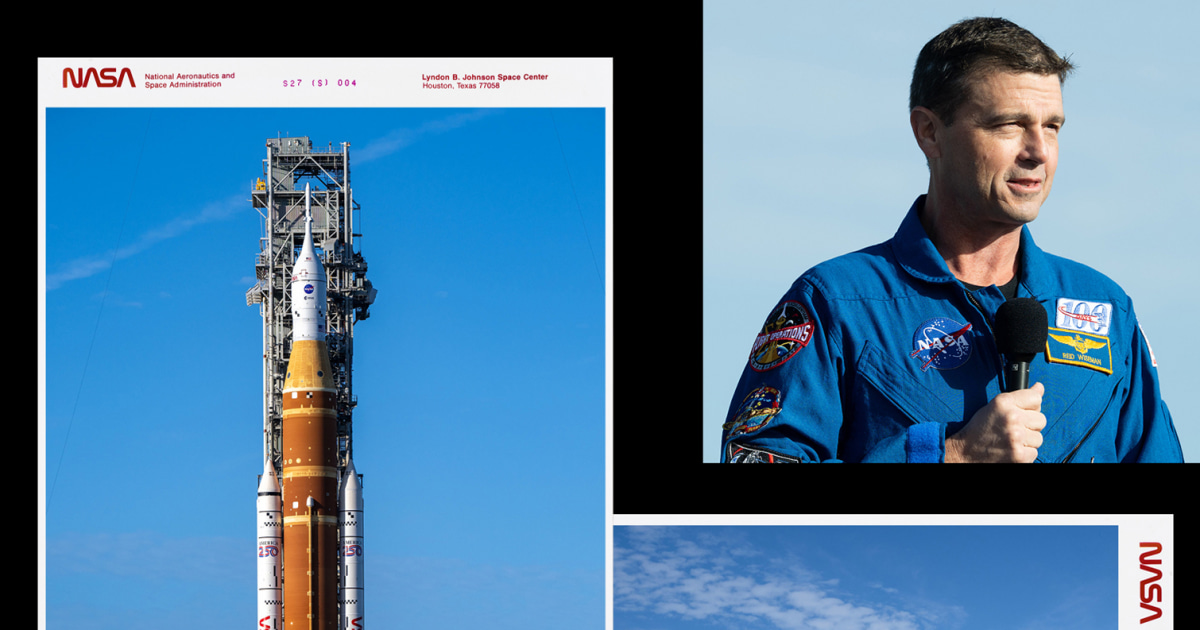
NASA’s Artemis II mission is set to launch on April 1 from the Kennedy Space Center in Florida, marking the first crewed flight beyond Earth orbit in over 50 years. The mission will send astronauts Reid Wiseman, Victor Glover, Christina Koch, and Canadian astronaut Jeremy Hansen on a nearly 700,000-mile journey around the moon and back. This flight will be the second launch of NASA’s Space Launch System (SLS) rocket and the first to carry humans, alongside the Orion crew capsule designed for deep space travel.
The Artemis II crew arrived at Kennedy Space Center on Friday, flying from the Johnson Space Center in Houston aboard T-38 jets. Commander Reid Wiseman expressed enthusiasm about the mission, stating, “Hey, let’s go to the moon! I think the nation and the world has been waiting a long time to do this again.” The astronauts will spend a full day in Earth orbit after launch to test Orion’s life support and environmental control systems, including carbon dioxide scrubbing, water supply, and waste management—critical functions not tested during the uncrewed Artemis I mission.
The launch has faced delays due to technical issues, including hydrogen leaks and a problem pressurizing the rocket’s upper stage propulsion system, which required the 322-foot-tall SLS rocket to be rolled back to the Vehicle Assembly Building for repairs. The rocket was returned to the launch pad after engineers identified and fixed an out-of-place seal and recharged various batteries. The countdown is scheduled to begin Monday afternoon, with a two-hour launch window opening at 6:24 p.m. Eastern Time on Wednesday. The crew has until April 6 to launch, after which the mission would be postponed by about four weeks due to orbital and lighting conditions.
Artemis II is a critical step toward NASA’s long-term goal of establishing a sustained human presence on the moon and eventually sending astronauts to Mars. The Artemis program was initiated following a 2017 directive signed by then-President Donald Trump, with an initial goal of returning humans to the lunar surface by 2024. However, the first crewed lunar landing under Artemis is now planned for 2028. The program builds on decades of development, including the Orion spacecraft, which began in 2006, and the SLS rocket, authorized in 2010. The Orion capsule can carry up to four astronauts in a compact space, with onboard facilities such as a vacuum toilet and exercise equipment to support the crew during the 10-day mission.
The Artemis II flight will also carry a small plush toy named “Rise,” selected through a contest by a California second grader, serving as a zero-gravity indicator. The toy contains a computer card with the names of nearly six million people who participated in NASA’s “send your name around the moon” campaign. After orbiting the moon and passing within approximately 4,100 miles of its far side, the spacecraft will return to Earth, targeting a splashdown in the Pacific Ocean near San Diego on April 10. Following Artemis II, NASA plans additional missions to test docking with commercial lunar landers and ultimately conduct lunar surface landings, paving the way for a future moon base near the lunar south pole.










Be First to Comment