Key takeaways:
- Tensions in the Strait of Hormuz remain high as Iran rejects U.S. claims of progress in negotiations, maintains control over the strait, and enforces a blockade that has turned back commercial ships, including Chinese vessels.
- Iran’s imposition of transit fees up to $2 million on some ships violates international law, drawing condemnation from Gulf neighbors and global economic concerns, with rising oil prices and falling stock markets amid the conflict.
- Hard-line figures dominate Iran’s leadership following recent military strikes, with Mohammad Bagher Ghalibaf potentially representing Iran in talks, signaling a firm, military-influenced stance and limited tolerance for dissent in negotiations with the U.S.
Tensions in the Strait of Hormuz remain high as Iran rejects U.S. President Donald Trump’s claims of progress in negotiations and easing of the blockade on the strategic waterway. Trump recently extended a deadline for Iran to reopen the strait, citing talks that were “going very well.” However, Iran’s Islamic Revolutionary Guard Corps (IRGC) dismissed these statements as false, asserting full control over the strait and warning that any unauthorized vessel attempting passage would face severe consequences. In recent days, at least three commercial ships, including two large cargo vessels owned by China’s COSCO Shipping Lines, were turned back after entering the strait, corroborating Iran’s claims of continued restrictions.
The blockade and Iran’s imposition of fees on select commercial ships have drawn sharp criticism from Gulf neighbors and international observers. An Iranian lawmaker revealed that some vessels have been charged up to $2 million to transit the strait, a move that breaches the United Nations’ 1982 Convention on the Law of the Sea, which guarantees free passage. Sultan Ahmed Al Jaber, head of the Abu Dhabi National Oil Company, condemned Iran’s actions as “economic terrorism,” emphasizing the global economic impact of the blockade. Meanwhile, oil prices have risen and stock markets have fallen amid the uncertainty surrounding the conflict and the prospects for a diplomatic resolution.
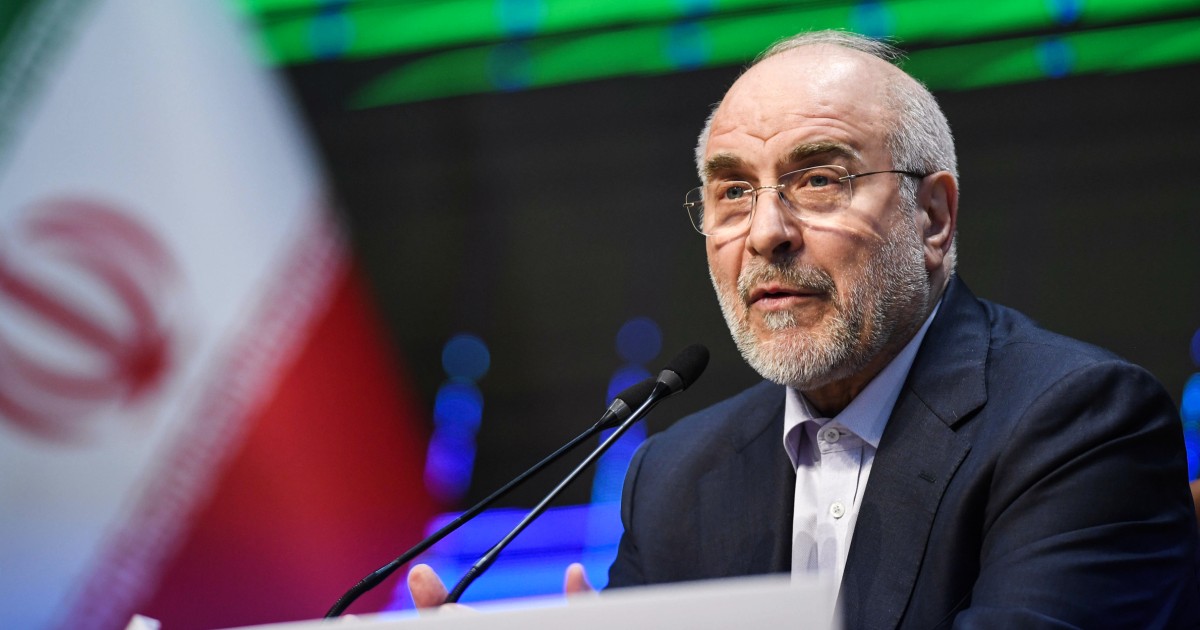
Amid these developments, the question of who is representing Iran in any potential negotiations with the United States remains unclear. Mohammad Bagher Ghalibaf, the hard-line speaker of Iran’s parliament and a former commander in the Revolutionary Guard, has emerged as a possible interlocutor. Ghalibaf, 64, has held various senior political and military roles over the past two decades and is known for his pragmatic yet firm stance. Analysts describe him as a respected figure among regime loyalists who might engage in talks with the U.S., though his approach is expected to remain hard-line given the current political climate.
The internal power dynamics in Iran have shifted significantly following recent military strikes that killed key leaders, including Ali Larijani, head of the Supreme National Security Council. His replacement, Mohammad Bagher Zolghadr, along with Ahmad Vahidi, the newly appointed head of the Revolutionary Guard, represent the hard-line faction now dominating Iran’s leadership. Vahidi, sanctioned by the U.S. for his role in past violent crackdowns and alleged involvement in international terrorism, is reportedly driving the continuation of aggressive regional actions despite some opposition within the government. Experts suggest that this consolidation of power by hard-line Revolutionary Guard figures signals a move toward a military-dominated regime, with limited tolerance for internal dissent and a firm stance in any negotiations with the U.S.




Be First to Comment