Key takeaways:
- Severe TSA staffing shortages caused by a partial government shutdown have led to hours-long security lines and significant delays at major U.S. airports, notably George Bush Intercontinental Airport in Houston, where about 36% of officers are absent.
- The shutdown has left TSA workers unpaid since mid-March, prompting over 400 officers to quit and forcing deployment of ICE agents and additional TSA officers to assist at affected airports; meanwhile, lawmakers remain deadlocked over DHS funding and immigration enforcement reforms.
- Airlines and airports are adjusting travel recommendations due to extended wait times, with some advising passengers to arrive up to four hours early, while industry leaders urge a swift resolution to the funding impasse amid ongoing operational disruptions and rising costs.
Severe staffing shortages at Transportation Security Administration (TSA) checkpoints have caused significant delays and long security lines at several major U.S. airports, with travelers expressing frustration and disbelief. At George Bush Intercontinental Airport (IAH) in Houston, approximately 36% of TSA officers called out of work amid a partial government shutdown that has frozen their paychecks. The resulting backlog led to wait times extending for hours, with lines stretching underground, across terminals, and even outside the airport.
One traveler at Houston described the situation as “insane,” while another said it was the first time they had experienced such delays in their lifetime. Nay Dedrick of Boston recounted missing her flight after waiting six to eight hours in the security line on Monday, forcing her to sleep at the airport and try again the next day. She noted that only two TSA officers were working during her wait, causing the line to extend from the basement to the third floor. Former U.S. Attorney General Bill Barr was also observed waiting in the security line for over two hours on Wednesday morning.
The staffing shortages stem from a partial government shutdown that began on February 14, leaving the Department of Homeland Security (DHS), which oversees TSA and Immigration and Customs Enforcement (ICE), without funding. TSA workers have been working without pay since mid-March, leading to more than 400 officers quitting their posts and many others calling out of work. To alleviate the pressure, ICE agents and other Homeland Security personnel have been deployed to 14 airports nationwide, including Houston, to assist with passenger screening. On Wednesday night, the Houston mayor’s office confirmed that at least 24 TSA officers from the National Deployment Office would be sent to IAH on Thursday to provide additional support.
The government funding deadlock continues, with Senate Republicans proposing a plan to fund most of DHS except ICE’s deportation division, a move Democrats have rejected, demanding reforms to immigration enforcement operations. Senate Minority Leader Chuck Schumer emphasized the need for “strong, strong reforms” to rein in ICE. Meanwhile, industry leaders have voiced concern over the ongoing situation. United Airlines CEO Scott Kirby called the delays “unconscionable,” praising TSA officers for continuing to work without pay but urging lawmakers to resolve the funding impasse quickly. He also highlighted additional challenges facing the airline industry, including rising fuel costs linked to the conflict in Iran, which have forced United to cut about 5% of its summer flights and increase ticket prices by 15 to 20 percent.
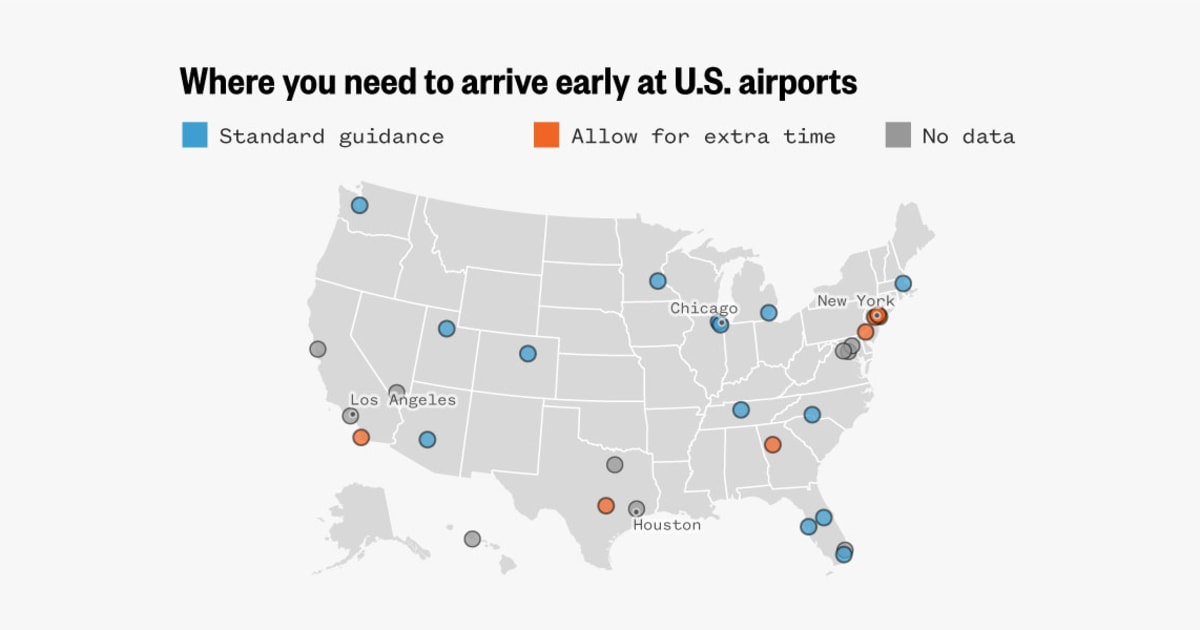
Beyond Houston, other major airports have also adjusted their guidance for travelers due to increased wait times. While most of the 23 largest U.S. airports recommend arriving two hours before domestic flights and three hours before international flights, seven airports—including those in San Diego, Atlanta, and New York City—now advise passengers to arrive between 2.5 and four hours early. Hartsfield-Jackson Atlanta International Airport reported wait times of up to four hours on Wednesday, and similar delays have been noted at other locations. Experts recommend that travelers allow at least three hours before departure to account for potential delays.
The ongoing government shutdown and resulting TSA staffing crisis have created widespread uncertainty and disruption in air travel, with travelers facing longer wait times, missed flights, and increased stress. Lawmakers continue to negotiate funding for DHS, but as the deadlock persists, airports and airlines brace for continued operational challenges in the weeks ahead.







Be First to Comment