Key takeaways:
- The Department of Homeland Security remains partially shut down for over a month due to stalled congressional negotiations, causing major disruptions like long airport security lines and unpaid TSA workers.
- Sharp partisan divides exist, with Republicans blaming Senate Democrats for blocking DHS funding over ICE reform demands, while Democrats insist on accountability and policy changes for ICE and CBP before approving funding.
- Additional tensions include President Trump’s contradictory stance on mail-in voting and ongoing legal challenges related to federal law enforcement investigations in Minnesota, alongside partisan disparities in federal disaster aid approvals.
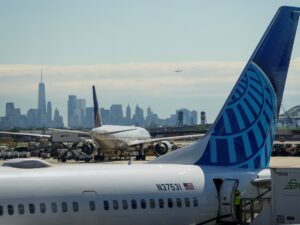
The Department of Homeland Security (DHS) remains partially shut down as negotiations in Congress stall, entering its second month with no resolution in sight. The impasse has led to significant disruptions, including hours-long airport security lines and unpaid Transportation Security Administration (TSA) workers missing their second paycheck. CBS News reached out to all members of Congress to assess their efforts to end the shutdown and restore DHS funding.
Responses from Senate offices revealed a sharp partisan divide. Republican senators largely blamed Democrats for blocking full DHS funding, citing the Senate Democrats’ demands for reforms to Immigration and Customs Enforcement (ICE) following fatal shootings by federal agents in Minnesota earlier this year. Senator Cindy Hyde-Smith of Mississippi stated, “It makes me angry. The Department of Homeland Security has now been shut down for over a month. And it’s important to understand that it’s Senate Democrats doing this.” Some Republicans opposed proposals to separate ICE funding from the rest of DHS, arguing that selectively defunding components could be dangerous. Meanwhile, Democrats countered that Republicans refuse to reopen most of DHS without addressing what they describe as ICE and Customs and Border Protection (CBP) lawlessness. Senator Alex Padilla of California said, “I’m with the American people in demanding accountability to rein in ICE and CBP’s lawlessness—anything short of that is a nonstarter for me.” Democrats are pushing for policy changes such as requiring body cameras for agents and banning masks during enforcement operations.
In the House of Representatives, more than 60 members responded, with many Republicans emphasizing that the Senate must act to end the shutdown. Florida Republican Rep. Mike Haridolopos said, “Now it’s the Senate’s turn, and Democrats need to stop stalling and get the bill to the President’s desk.” Some House Republicans expressed willingness to compromise on funding levels to resolve the impasse. GOP Rep. Nick LaLota of New York, who recently visited TSA workers at LaGuardia Airport, stated, “We should pay our TSA agents…I can sign on to a deal that doesn’t get 100% of what I want.” Democrats criticized the Republican-controlled Congress for allowing the shutdown to continue, with California Democrat Rep. Laura Friedman calling it “chaos at our airports over a commonsense solution.” The House has twice passed bills to fully fund DHS, but the Senate has yet to approve them.
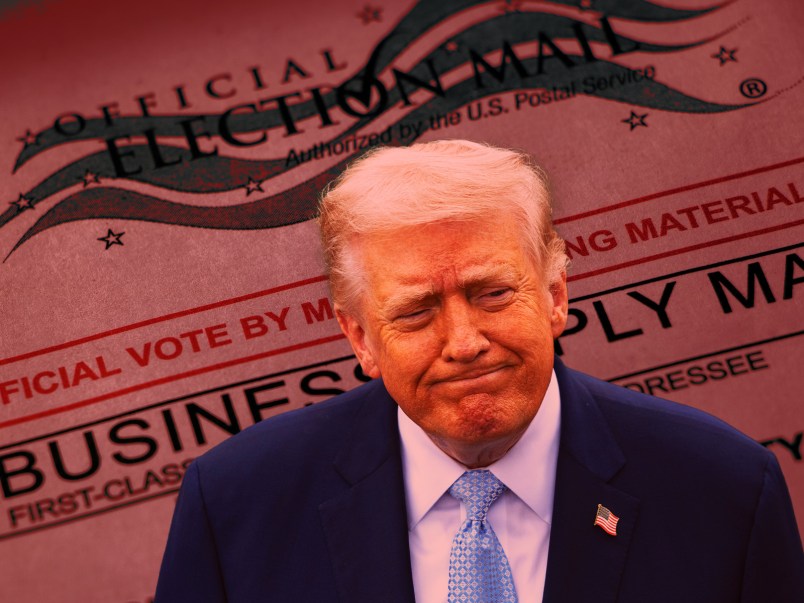
Separately, President Donald Trump has continued to cast ballots by mail in Florida, despite his vocal opposition to mail-in voting and his support for the SAVE America Act, which seeks to restrict mail-in voting to limited circumstances such as illness or military service. According to Palm Beach County voter records, Trump voted by mail in a recent special election while physically present in Florida during early in-person voting. The White House defended the president’s actions by distinguishing between universal mail-in voting and individual accommodations. This contradiction highlights ongoing tensions within the Republican Party regarding mail-in voting, which Trump has repeatedly criticized as susceptible to fraud, despite studies showing such fraud is exceedingly rare.
In other developments, the Trump administration faces legal challenges from Minnesota officials seeking access to information related to federal law enforcement investigations into shootings by federal agents in the state. The lawsuit alleges that the federal government has failed to cooperate with state investigations following a surge in federal law enforcement presence in Minneapolis. Additionally, reports indicate a stark partisan disparity in President Trump’s approval of federal disaster aid requests, with Democratic-led states receiving significantly less aid compared to Republican-led states since the start of his second term. These issues add to the complex political landscape surrounding the administration’s policies and congressional negotiations.





Be First to Comment