Key takeaways:
- President Trump postponed his ultimatum for Iran to reopen the Strait of Hormuz amid “good and productive” negotiations, delaying threatened strikes on Iranian power plants after escalating regional tensions.
- Iran denied direct talks with the U.S., accused Washington of initiating the conflict, and dismissed claims of a missile strike on a U.S.-U.K. base, while NATO investigated the alleged attack.
- The postponement led to positive market reactions with rising stock futures and falling oil prices; meanwhile, both sides maintained strong rhetoric and military postures amid ongoing casualties and internal crackdowns in Iran.
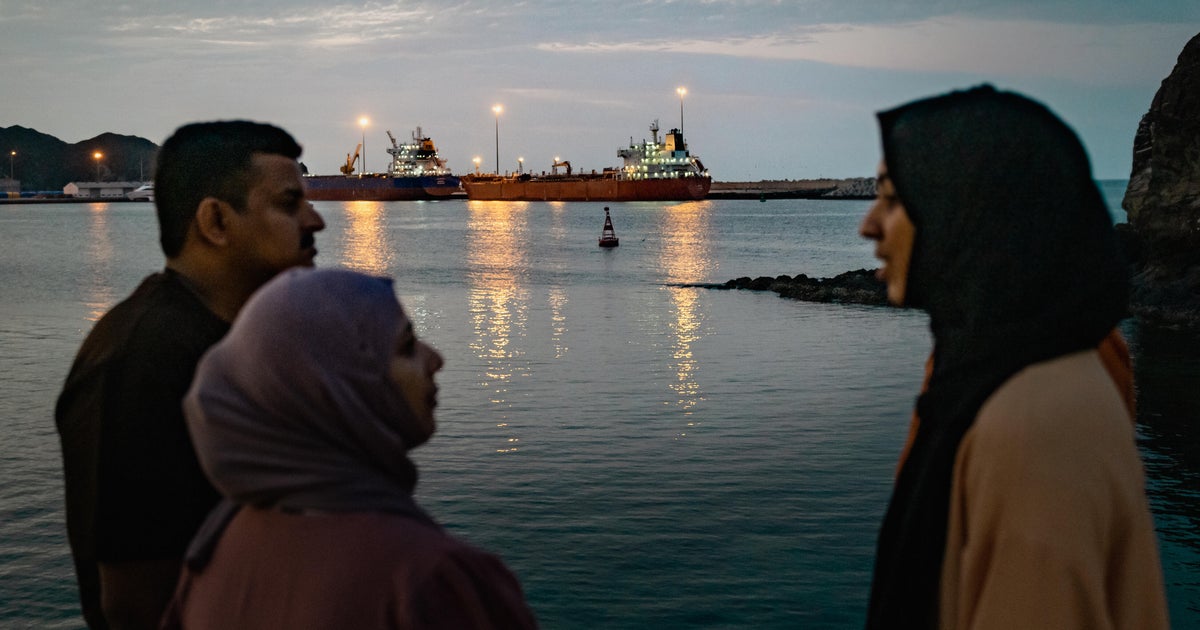
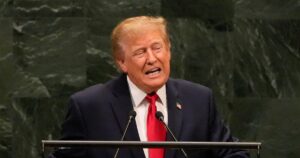
President Donald Trump announced on Monday that he was postponing his ultimatum for Iran to reopen the Strait of Hormuz, a critical international shipping route, amid what he described as “good and productive” negotiations with Tehran. The original deadline, set for Monday evening, threatened strikes on Iranian power plants if the strait remained closed. Trump’s decision to delay military action came after weeks of escalating tensions, including Iranian missile attacks on Israel and Gulf states, and threats to target energy infrastructure and lay sea mines across the Persian Gulf.
Iranian state media and officials denied that any direct talks with the United States were underway, characterizing Trump’s postponement as a strategic move to lower global energy prices and buy time for military preparations. The Iranian Foreign Ministry emphasized that Tehran was not the party that initiated the conflict and suggested that any requests to reduce tensions should be directed to Washington. Meanwhile, Iran dismissed claims of a failed missile strike on the joint U.S.-U.K. military base at Diego Garcia as disinformation propagated by Israel. NATO Secretary General Mark Rutte stated that the alliance could not confirm the alleged attack and was investigating the matter.
The postponement of the ultimatum was met with cautious optimism in international markets. Stock futures for the S&P 500 and Dow Jones Industrial Average rose by approximately 1.6% in early trading, reversing earlier declines. Oil prices also fell sharply, with Brent crude and West Texas Intermediate benchmarks dropping by 6.2%. German Chancellor Friedrich Merz expressed gratitude to President Trump for delaying the strikes, citing concerns over the potential escalation of the conflict. The ongoing hostilities have already resulted in significant casualties; a rights group reported that more than 3,200 people, including at least 214 children, have died in Iran due to U.S.-Israeli strikes over the past 24 days.
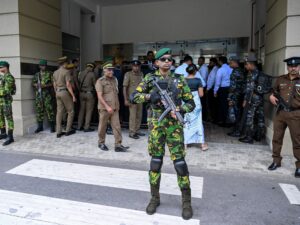
U.S. Treasury Secretary Scott Bessent defended the administration’s military actions, stating that “sometimes you have to escalate to de-escalate,” and described Trump’s tough rhetoric as necessary to communicate with Iran. Iranian military officials warned that any attacks on their fuel and energy infrastructure would prompt retaliatory strikes on American and allied systems in the region. The conflict has also impacted global energy markets, with the U.S. easing sanctions on Iranian oil in an effort to stabilize prices. On the ground, Iranian security forces announced the arrest of 68 individuals linked to opposition and espionage networks, including groups supporting the exiled crown prince, signaling Tehran’s continued internal crackdown amid the external conflict.



Be First to Comment