Key takeaways:
- The U.S. Treasury Department has temporarily eased sanctions on Iranian oil shipments loaded before April 14, aiming to increase global energy supply and ease soaring prices, with the exemption excluding entities in North Korea, Cuba, and Russian-occupied Ukraine.
- The move marks a shift from the previous “maximum pressure” campaign, allowing about 140 million barrels of Iranian oil to enter the market while maintaining financial restrictions on Iran, and follows a similar temporary relief for Russian oil shipments.
- Experts express skepticism about the policy’s effectiveness amid ongoing geopolitical tensions, while high fuel costs prompt companies like United Airlines to adjust operations, and the U.S. considers military options to secure shipping routes like the Strait of Hormuz.
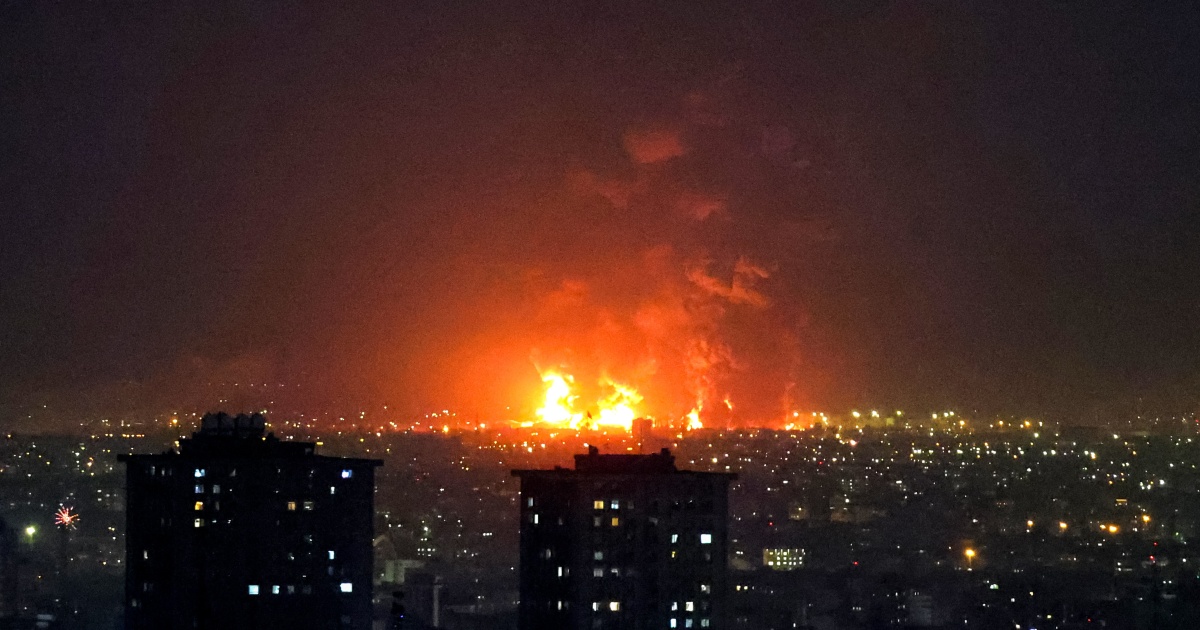
The U.S. Treasury Department has temporarily eased sanctions on Iranian oil shipments currently at sea, a move aimed at alleviating soaring global energy prices amid ongoing tensions between the United States and Iran. The authorization permits the purchase of Iranian oil loaded onto vessels before 12:01 a.m. Eastern Time on Friday and will remain in effect until April 19. This exemption excludes individuals and entities located in North Korea, Cuba, and Russian-occupied regions of Ukraine. Treasury Secretary Scott Bessent described the measure as a way to release approximately 140 million barrels of oil that might otherwise have been stockpiled, particularly by China, the largest importer of Iranian oil.
Bessent emphasized that the decision is narrowly tailored and temporary, designed to increase global energy supply and ease the current pressures on oil markets caused by the conflict with Iran. He stated, “In essence, we will be using the Iranian barrels against Tehran to keep the price down as we continue Operation Epic Fury.” Despite the relaxation, the U.S. government maintains that it will continue to apply maximum pressure on Iran’s access to the international financial system, limiting Tehran’s ability to benefit significantly from the sales. The move represents a departure from the Trump administration’s longstanding “maximum pressure” campaign, which has imposed stringent sanctions on Iran’s economy, particularly its energy sector.
The easing of sanctions on Iranian oil follows a similar temporary reprieve granted last week for Russian oil shipments already at sea, reflecting the administration’s efforts to mitigate the impact of geopolitical conflicts on global energy markets. Since the start of the year, crude oil prices have surged by more than 70%, with retail gasoline prices rising by 93 cents per gallon. The Strait of Hormuz, a critical maritime chokepoint through which about 20% of the world’s oil passes daily, has seen a significant slowdown in shipping activity due to fears of Iranian attacks. While Iran has allowed its own oil exports to transit the strait, tanker operators remain cautious, contributing to supply constraints.
Experts have expressed skepticism about the effectiveness of the sanctions relief in addressing broader economic challenges. Danny Citrinowicz, a senior researcher on Iran at the Institute for National Security Studies, described the policy as “funding a war against itself,” highlighting the contradiction between military objectives and economic realities. Moritz Brake, a senior fellow at the Center for Advanced Security, Strategic and Integration Studies, noted that the decision reflects an underestimation of Iran’s resilience and the global economic repercussions of the conflict. Meanwhile, the war in Iran has had complex effects on Russia’s conflict in Ukraine, with reduced drone shipments to Russia but increased revenues from higher oil prices and eased sanctions.
The ongoing volatility in energy markets has prompted companies like United Airlines to adjust their operations in anticipation of sustained high fuel costs. CEO Scott Kirby announced plans to cancel some less profitable flights, citing projections that oil prices could reach $175 per barrel and remain above $100 per barrel until the end of 2027. Kirby warned that such price levels could add $11 billion annually in jet fuel expenses for the airline, far exceeding its best-ever annual profits. Despite these challenges, the U.S. administration continues to explore options, including potential military escorts for tankers in the Strait of Hormuz, though President Trump has indicated a preference for multinational involvement in such efforts.




Be First to Comment