Key takeaways:
- The Trump administration is preparing to request over $200 billion in emergency supplemental funding from Congress to support military operations in Iran, potentially using it to claim retroactive authorization for the conflict.
- Lawmakers, especially Democrats, have expressed concerns about the large funding request and the lack of congressional approval for the war; passing the package faces significant political challenges, including Senate vote requirements.
- President Trump compared the surprise strikes on Iran to the Pearl Harbor attack, confirmed the $200 billion request covers broader military needs, and downplayed the economic impact of the conflict despite disruptions in the Strait of Hormuz.
The Trump administration is reportedly preparing to request a substantial emergency supplemental funding package from Congress to support ongoing military operations in Iran. Initial reports suggested a request of up to $50 billion, but recent coverage by The Washington Post and The New York Times indicates the Pentagon has asked for more than $200 billion. This funding would cover the costs of the war, which began without explicit congressional authorization, and could potentially be used by the administration to argue that Congress has retroactively authorized the conflict.
House Speaker Mike Johnson (R-LA) acknowledged the possibility of a large supplemental funding request, emphasizing the need to “adequately fund defense” amid what he described as a “dangerous time in the world.” Johnson did not dismiss the reported $200 billion figure but said any request would need to be “detailed and specified.” Defense Secretary Pete Hegseth, who has renamed the Pentagon as the Department of War, also refrained from ruling out a request of that magnitude. However, the administration has other funding options available, including billions allocated under the recently passed One Big Beautiful Bill Act and the use of general transfer authority, which provides $6 billion in budget flexibility.
The timing and size of the supplemental request have raised concerns among lawmakers, particularly Democrats, who have criticized the administration for initiating military action against Iran without congressional approval. Passing such a large funding package would require overcoming significant political hurdles, including securing 60 votes in the Senate. Congressional aides have pointed out that replenishing depleted munitions stockpiles is a long-term process, often taking years to contract and manufacture, which complicates the urgency of an emergency supplemental. The administration recently requested $1.56 billion through transfer authority to replenish missile defense systems actively used in the conflict.
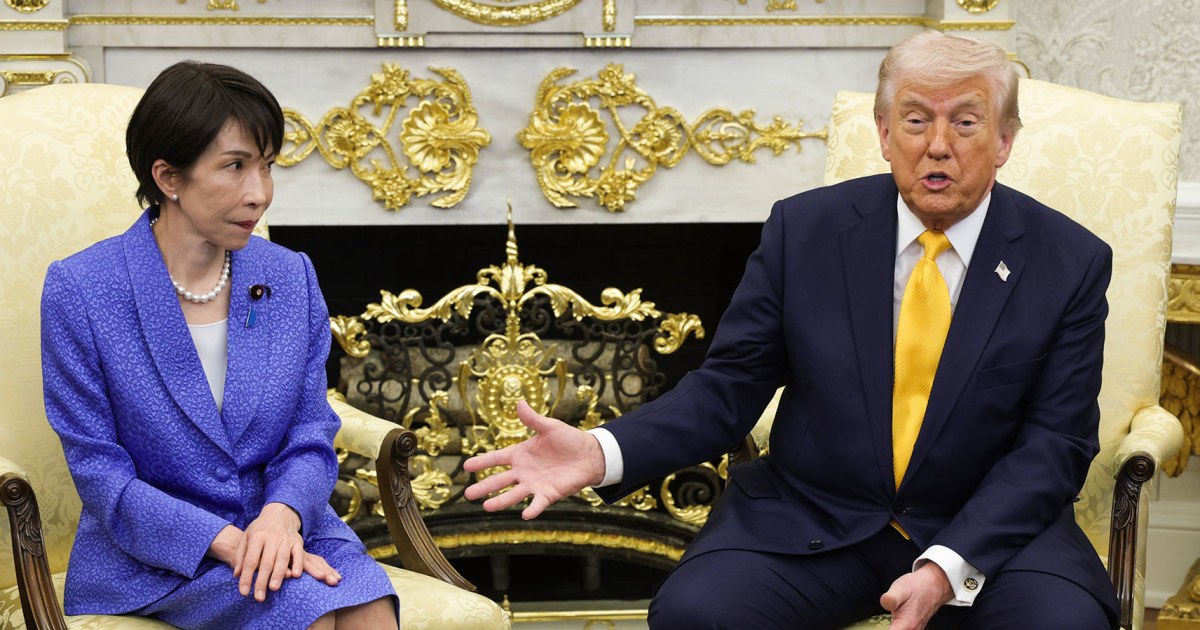
In a separate development, President Donald Trump referenced the December 1941 Japanese attack on Pearl Harbor during a White House meeting with Japanese Prime Minister Sanae Takaichi. When asked why the U.S. did not inform allies about the strikes on Iran beforehand, Trump cited the importance of surprise in military operations, drawing a parallel to the surprise attack on Pearl Harbor. He stated, “We had to surprise them and we did,” claiming that the initial strikes knocked out about 50% of Iran’s capabilities. Trump also confirmed the $200 billion funding request but noted that it covers broader military needs beyond the Iran conflict. Addressing concerns about rising oil prices following the war, Trump said the economic impact has been less severe than anticipated, despite Iran’s closure of the Strait of Hormuz, a critical shipping route in the Middle East. He expressed optimism that the situation would be resolved soon.











Be First to Comment