Key takeaways:
- Ukrainian President Zelenskyy is ready for trilateral peace talks with Russia and the U.S., but the timing and location depend on an agreement between Washington and Moscow, with talks currently postponed due to the Middle East conflict.
- Ukraine has developed advanced drone warfare and interception technology through years of combat, attracting international requests for assistance in drone defense and electronic warfare amid escalating drone use in the Middle East.
- Zelenskyy expressed concerns about the depletion of Ukraine’s air defense systems due to the Iran-related conflict and highlighted ongoing efforts to explore alternative missile defense options and potential international cooperation despite geopolitical tensions involving Iran and Russia.
Ukraine Awaits U.S. and Russia Agreement to Resume Peace Talks Amid Regional Conflict
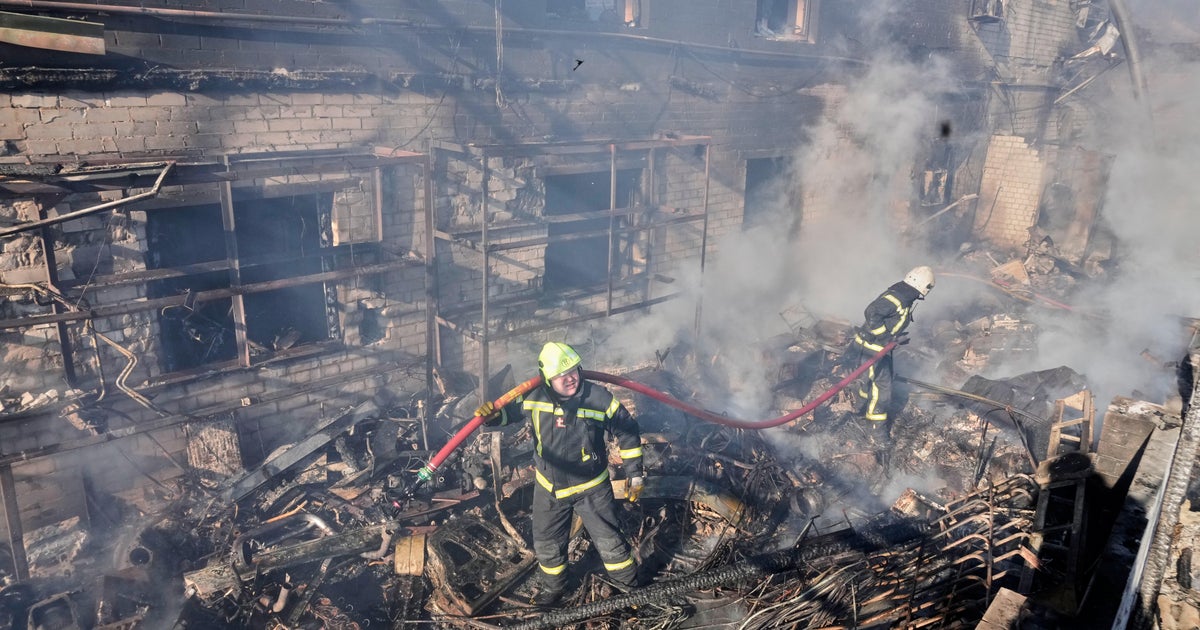
KYIV — Ukrainian President Volodymyr Zelenskyy has expressed readiness to engage in the next round of trilateral peace negotiations aimed at ending Russia’s ongoing invasion of Ukraine, which has lasted over four years. However, Zelenskyy emphasized that the timing and location of the talks depend on an agreement between Washington and Moscow. The United States had proposed hosting the meeting involving American, Ukrainian, and Russian delegations, including U.S. envoys Steve Witkoff and Jared Kushner, but Russia has reportedly declined to send representatives.
“We are waiting for a response from the Americans. Either they will change the country where we meet, or the Russians must confirm the U.S.,” Zelenskyy said during a media briefing. “We are not blocking any of these initiatives. We want a trilateral meeting to take place.” The U.S. has postponed its sponsored talks due to the escalating conflict in the Middle East, which erupted on February 28 following U.S.-Israeli strikes on Iran and has since drawn international attention away from Ukraine’s struggle against Russia’s larger military forces.
In addition to the diplomatic stalemate, Zelenskyy voiced concerns about the impact of the Middle East conflict on Ukraine’s air defense capabilities. He warned of a “very high” risk that the Iran war could deplete the stockpiles of air defense systems Ukraine relies on to counter Russian missile attacks. Zelenskyy discussed with French President Emmanuel Macron the possibility of using SAMP/T systems as alternatives to U.S.-made Patriot batteries for intercepting ballistic missiles, stating that Ukraine would be “first in line” to test any viable options.
Meanwhile, Ukraine’s expertise in drone warfare has attracted international interest amid the rising use of drones in the Middle East conflict. Ukrainian forces have developed advanced drone interception technology through four years of combat experience against Russian attacks, which often involve hundreds of drones nightly, many modeled on Iranian Shahed designs. Kyiv-based drone manufacturer General Cherry produces approximately 100,000 drones monthly, including interceptor drones specifically designed to neutralize Shahed drones. Marko Kushnir, a company spokesperson, highlighted the rapid innovation cycle enabled by close feedback between frontline forces and manufacturers.
President Zelenskyy revealed that Ukraine has received nearly a dozen requests from the U.S., Middle Eastern, and European countries seeking assistance with drone defense, electronic warfare systems, and training. He emphasized that Ukraine’s counter-drone experience is “irreplaceable” and among the most advanced globally. Kyiv has already dispatched teams to the Middle East to share expertise and explore potential weapons exchanges, as Ukraine remains in urgent need of air defense missiles to protect its cities and infrastructure from Russian missile strikes.
Despite these developments, Zelenskyy indicated uncertainty regarding a formal drone cooperation agreement with the United States. Last year, Ukraine proposed a defense cooperation deal valued between $35 billion and $50 billion, which would have granted the U.S. access to technology from about 200 Ukrainian drone, artificial intelligence, and electronic warfare firms. Although American military officials and former President Donald Trump expressed interest, the deal was never finalized.
Ukraine’s air force spokesperson Yuriy Ihnat reported that between 150 and 200 Russian drones attack Ukraine daily, with some larger assaults involving up to 700 drones. Ukrainian forces routinely shoot down 80% to 90% of these attacks, underscoring the country’s expertise in drone defense. This proficiency has been hard-earned through years of conflict, transforming Ukraine into a unique “ecosystem” for real-time testing and deployment of innovative drone technologies.
The ongoing regional tensions have also drawn warnings from Iran, which has threatened Ukraine over its involvement in countering Iranian drone attacks in the Gulf. Iranian officials have suggested that aiding Israel with drone defense could render Ukrainian territory a legitimate target for Iran. Meanwhile, Russia, an ally of Iran, has refrained from commenting on these developments. As Ukraine navigates these complex geopolitical challenges, its role as both a battleground and a source of military innovation continues to evolve.





Be First to Comment