Key takeaways:
- A U.S. KC-135 refueling aircraft crashed in Iraq, killing four crew members, while Iranian missile and drone attacks continue to target Gulf allies, disrupting regional stability and global oil supplies.
- President Trump emphasized the U.S. military and economic campaign against Iran, warning of continued pressure amid intercepted Iranian missile launches and heightened NATO involvement.
- Iran’s Revolutionary Guards threatened harsh crackdowns on protests, while international leaders, including Israel’s Netanyahu, highlighted goals of regime change, reflecting the conflict’s complex political and humanitarian impact.
The U.S. and its allies continue to grapple with escalating tensions and military confrontations in the Middle East as the conflict involving Iran approaches its two-week mark. Recent developments include a tragic U.S. military aircraft crash, ongoing Iranian missile and drone attacks on Gulf allies, and heightened rhetoric from President Donald Trump. Meanwhile, diplomatic and military responses are evolving amid concerns over regional stability and global energy markets.
On Thursday, a U.S. KC-135 refueling aircraft crashed in western Iraq, resulting in the deaths of four crew members, with two others still unaccounted for as recovery efforts continue. The U.S. Central Command (CENTCOM) confirmed that the incident was not caused by hostile or friendly fire, and investigations are ongoing. A second KC-135 tanker was reportedly damaged but managed to land safely in Tel Aviv. Officials have suggested that a mid-air collision may have been involved, although details remain under review.
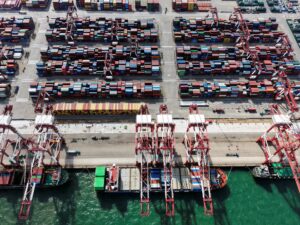
Iranian attacks on U.S. allies in the Persian Gulf have persisted, with Saudi Arabia reporting the interception of nearly 50 drones over multiple waves of assault. One drone targeted the diplomatic quarter in Riyadh, while Oman experienced two fatalities after drones crashed into an industrial area near Sohar. Bahrain also issued warnings of incoming fire, and Dubai witnessed a fire caused by debris from intercepted attacks. These strikes have contributed to disruptions in shipping through the Strait of Hormuz, a critical artery for global oil supplies, where oil prices have remained above $100 per barrel. In response, U.S. Treasury Secretary Scott Bessent indicated that the U.S. Navy might begin escorting tankers through the strait to ensure safe passage.
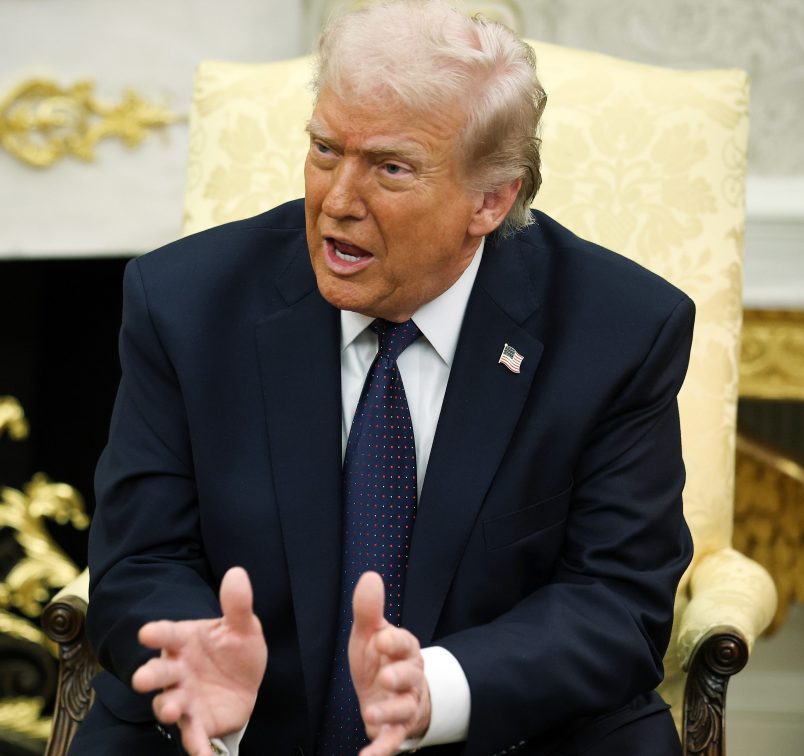
President Trump issued a pointed message on his social media platform, asserting that the U.S. is “totally destroying the terrorist regime of Iran” militarily and economically. He warned Iran’s leaders to “watch what happens” as the U.S. continues its campaign, emphasizing America’s “unparalleled firepower” and unlimited ammunition. This statement came amid ongoing Iranian missile launches, one of which was intercepted by NATO air defenses after entering Turkish airspace. Turkey’s Ministry of Defense confirmed that NATO systems neutralized the ballistic missile and that discussions are underway to clarify the incident.
Domestically, Iran’s Revolutionary Guards have issued a stern warning against any new protests, promising a response “stronger than on January 8,” referencing the violent crackdown on demonstrations earlier this year that reportedly resulted in thousands of deaths. The Guards accused foreign adversaries of fomenting unrest and reiterated their commitment to suppressing dissent. The ongoing conflict and internal unrest have drawn international attention, with Israeli Prime Minister Benjamin Netanyahu stating that one objective is to create conditions conducive to regime change in Iran. President Trump has also publicly called for Iranians to rise up against their government.
These developments underscore the complex and volatile nature of the conflict in the Middle East, with military, political, and humanitarian dimensions continuing to unfold. The situation remains fluid as the U.S. and its allies navigate the challenges posed by Iran’s actions and the broader regional implications.



Be First to Comment