Key takeaways:
- Mexico’s foreign minister lodged the complaint with the US ambassador, who said he would look into it.
- The DEA says it will handle tips about criminal-network members, corrupt officials and others collaborating with traffickers confidentially.
- An Associated Press investigation found that the DEA left at least 1.4 million counterfeit fentanyl pills unseized during an eight-month investigation.
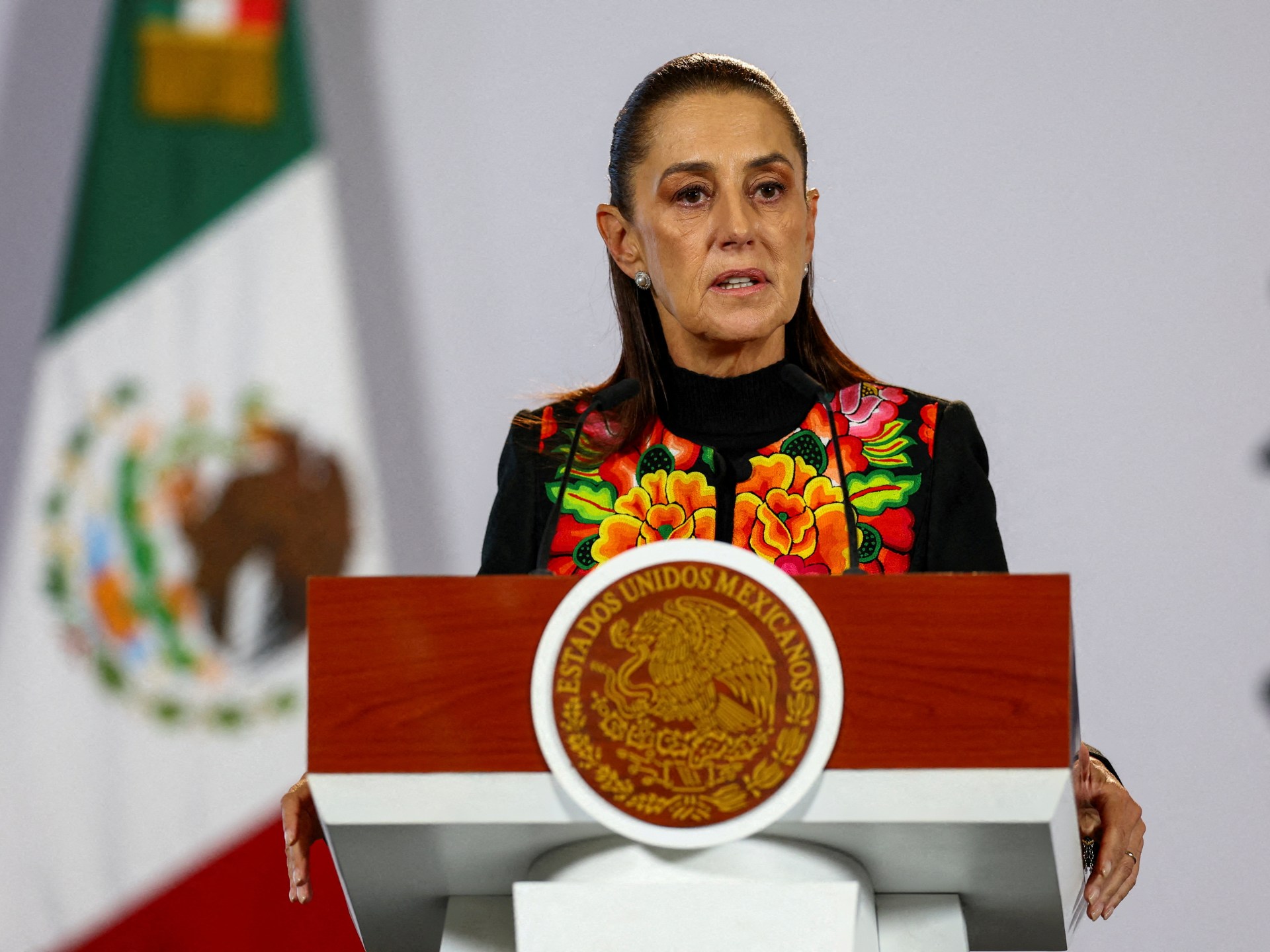
Mexico has filed a formal complaint with the United States over a Drug Enforcement Administration tip line seeking information about suspected drug traffickers and corrupt officials in Mexico. President Claudia Sheinbaum called the initiative an act of “interference” and urged the agency to focus on drug trafficking and corruption within the United States.
Foreign Minister Juan Ramon de la Fuente raised the complaint with the US ambassador to Mexico, Sheinbaum said Friday. The ambassador said he would look into the matter, Al Jazeera reported.
“We have made it very clear that our relationship with the United States is one of coordination, not subordination,” Sheinbaum said.
The DEA announced the tip line this week for information about alleged members of criminal organizations, corrupt officials and others collaborating with drug traffickers in Sinaloa state. DEA Administrator Terry Cole said tips sent through Signal, WhatsApp or email would be handled confidentially.
“Your information matters. Your identity and your safety matter,” Cole wrote on social media.
Sheinbaum challenged the move by asking how Washington would react if Mexico opened a WhatsApp service for reporting corruption in the United States. “The DEA has plenty of work to do in its own country. A lot,” she said Thursday. “The first thing it should do is investigate corruption in the United States linked to organized crime, or what they call terrorist groups.”
Her criticism followed an Associated Press investigation that found the DEA allowed at least 1.4 million counterfeit fentanyl pills to go unseized while tracking a trafficking ring for eight months, from August 2024 to April 2025. The AP based its tally on court and investigative records, wiretap reports and surveillance footage. The DEA had previously denied knowingly allowing synthetic opioids to be trafficked after whistleblowers described other instances in which agents left fentanyl pills unseized, CBS News reported.
Sheinbaum called the findings the “Fast and Furious of Fentanyl,” invoking a 2011 gun-tracking scandal. “What is the United States doing in the United States?” she asked. “We have a prosecutor’s office here, and the Security Ministry works here. So they should pay close attention to the other side of the border.” The DEA did not immediately respond to a request for comment on the complaint, according to Al Jazeera.
The dispute comes amid expanded security cooperation and continued US pressure on Mexico to confront cartels. Mexican forces captured drug lord Fausto Isidro Meza Flores, known as “El Chapo Isidro,” on Nov. 20 in an operation supported by US intelligence. CBS News reported that the United States provided a drone to help locate him. Washington has requested his extradition, but Mexican Attorney General Ernestina Godoy said he would be tried in Mexico.
Suspected links between politicians and cartels are another point of tension. Reuters reported in June that the Trump administration had pressed Mexico to investigate politicians suspected of cartel ties and extradite them to the United States. Sinaloa Governor Rubén Rocha Moya, among those facing US scrutiny, has repeatedly denied wrongdoing, according to Al Jazeera.









Be First to Comment