Key takeaways:
- Zelenskyy said Ukraine paused refinery strikes for three days and would resume them after accusing Russia of continuing attacks on its energy infrastructure.
- Zelenskyy accused the United States of restricting attack warnings; Trump denied halting intelligence-sharing.
- Zelenskyy said he would halt strikes on Russian oil infrastructure only if the United States supplied more Patriot air-defense missiles.
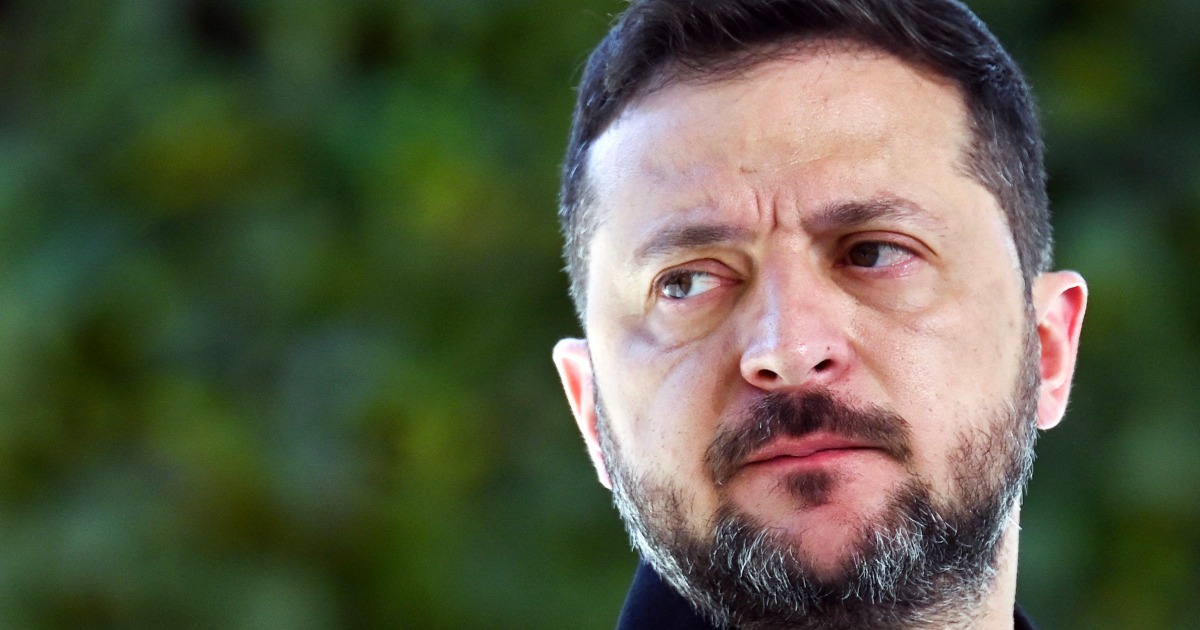
Ukraine is resuming strikes on Russian oil refineries after a three-day pause, President Volodymyr Zelenskyy said, accusing Russia of continuing attacks on Ukrainian energy infrastructure and the United States of restricting support critical to Kyiv’s defense.
“The block (on attacking refineries) is out. We’re done,” Zelenskyy told the Financial Times in an interview published Thursday. He said he had held back the strikes at Washington’s request following President Donald Trump’s announcement of an “energy ceasefire.” Zelenskyy had said he would observe it if Moscow did, but accused Russia of violating it within hours. The Kremlin never said it had agreed to the proposed ceasefire, the BBC reported.
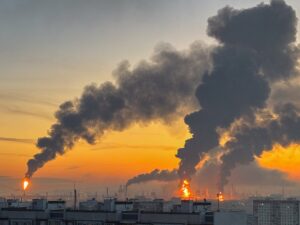
Hours after Zelenskyy’s comments, a fire was reported at an oil refinery in Russia’s western Ryazan region, according to NBC News. Regional Gov. Pavel Malkov reported the fire, and Russia’s Defense Ministry said Ukraine had “attempted a massive attack on the Ryazan oil refinery.”
Zelenskyy also accused the United States of curtailing intelligence-sharing about Russian attacks to pressure Ukraine to stop targeting oil facilities. Ukrainian officials had been told by U.S. counterparts that “if you will not stop [the strikes], we will block intelligence,” he told the Financial Times. He said the interruption was later presented to Kyiv as a technical glitch. Trump denied halting intelligence-sharing, according to the BBC.
The dispute comes as Ukraine reports a slowdown in Starlink satellite internet service used by its military. Zelenskyy said the disruptions, combined with the loss of intelligence, were “dangerous” while Russia intensified its strikes. He said several ballistic strikes on Kyiv had not come with the usual advance warning from Ukraine’s partners.
Ukraine faced a wave of Russian drones Wednesday, and more than 850 had entered its skies since midnight Thursday, Zelenskyy said, according to NBC News. “And this comes precisely at a time when the speed of our defensive capabilities is being artificially restricted,” he said. Starlink connections are used to guide drones and communicate with the front line; Ukrainian officials said they had not been warned before a speed limit was imposed, the BBC reported.
Elon Musk, whose company SpaceX operates Starlink, said decisions about limits on Starshield, a military-focused version of the system provided under a U.S. Defense Department contract, rested with the U.S. military and ultimately Trump. The Trump administration had not commented on the slowdown, the BBC reported. Musk later wrote that it was “time for Zelenskyy to go.”
The tensions follow a U.S.-Russia agreement to release 300,000 tonnes of diesel to the United States and global markets. Zelenskyy criticized the deal as effectively investing in Russia’s war effort. He told the Financial Times he would halt attacks on Russian oil infrastructure only if the United States supplied more Patriot air-defense missiles. Ukraine has faced a shortage of the U.S.-made defenses as the war with Iran has consumed stockpiles, according to the BBC.
Asked by Piers Morgan on Wednesday whether he felt betrayed by the United States, Zelenskyy agreed. He told the Financial Times that fighting without U.S. support would be “very difficult.”






Be First to Comment