Key takeaways:
- The TPLF said it temporarily withdrew from Mekelle; residents and humanitarian sources reported that government forces controlled the city.
- The renewed fighting follows a 2022 peace agreement that ended a civil war in which an African Union mediator estimated about 600,000 people died.
- Ethiopia has accused neighboring countries of backing the opposition, while the United States has urged restraint and dialogue.
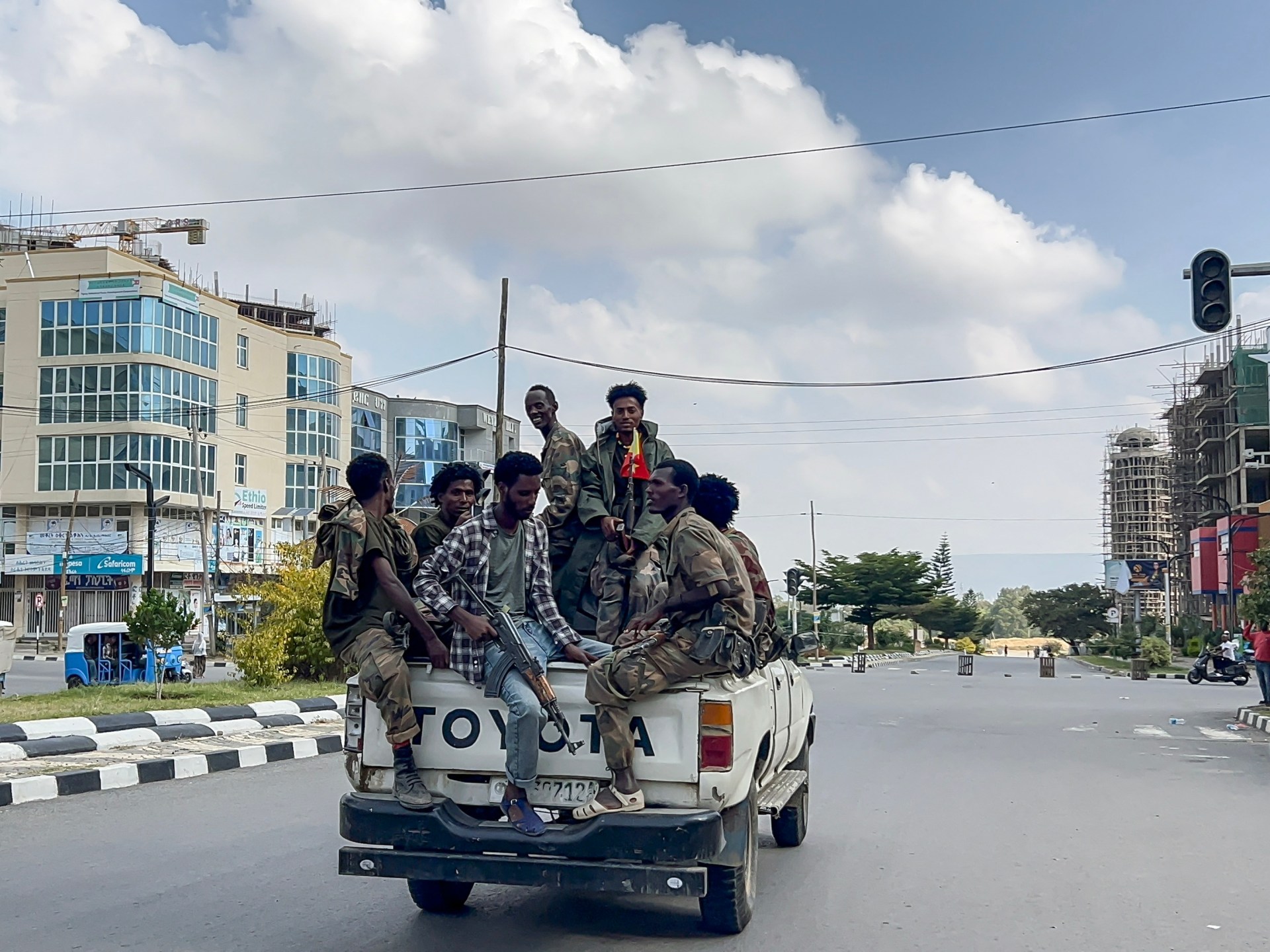
Ethiopian government forces have taken control of Mekelle, the capital of the northern Tigray region, after the Tigray People’s Liberation Front said it had withdrawn from the city as fighting moved closer.
The TPLF said in a statement late Saturday that it had “temporarily moved out of Mekelle” to “operate from somewhere else”. It said the decision was driven by concern for civilians. Two residents told the BBC that pro-government forces controlled the city and that TPLF fighters had left. One said mobile phone service appeared to have resumed in parts of Mekelle.
The withdrawal followed the recapture of the city’s main airport by Ethiopia’s federal army and pro-government fighters, according to Al Jazeera. A source close to the pro-government Tigray Peace Forces told Reuters that its fighters entered central Mekelle on Saturday afternoon, followed by the military. Reuters also reported that a humanitarian source and a resident confirmed government control of the city on Sunday.
The shift comes amid renewed fighting between the TPLF and federal forces and their allies across parts of Tigray, Afar and Amhara. Al Jazeera reported that fighting broke out on September 23 after seven armed and political groups announced an alliance aimed at removing Prime Minister Abiy Ahmed’s government and establishing an inclusive transitional administration. The BBC reported that the alliance includes the Fano militia from Amhara.
The renewed conflict threatens a fragile recovery from the two-year civil war that ended in 2022 with an African Union-brokered agreement known as the Pretoria Agreement. Relations have worsened in the past six months, with the government and the TPLF accusing each other of violating the deal. Al Jazeera described the new fighting as following the agreement’s collapse.
The earlier war killed hundreds of thousands of people and displaced millions. An African Union mediator estimated that about 600,000 people died, according to the BBC, which reported that the fighting pushed Tigray toward famine.
The latest hostilities have also sharpened tensions with Ethiopia’s neighbors. Ethiopia has accused Eritrea, Sudan and Egypt of backing the opposition coalition, Al Jazeera reported. Sudan and Egypt have denied involvement, while Eritrea has denied Ethiopia’s accusation that it supported the rebels. Ethiopia and Eritrea severed diplomatic relations on Friday. Ethiopia’s accusation against Egypt also led to the expulsion of an Egyptian diplomat; Cairo responded by ordering an Ethiopian embassy official to leave, according to the BBC.
The U.S. Department of State urged Ethiopia and Eritrea to “respect the sovereignty and territorial integrity of their neighbors, exercise maximum restraint and return to dialogue and cooperation”. It warned that rising tensions “have the potential to affect the entire region”. The BBC reported that the appeal came ahead of a Sunday diplomatic meeting in Egypt with leaders from some of Ethiopia’s neighboring countries.
The United Nations has warned that worsening security in northern Ethiopia is severely disrupting humanitarian work and has called on all sides to ensure safe, unhindered access to people in need.





Be First to Comment