Key takeaways:
- The Stop Insider Trading Act failed to advance in the Senate, 53-47, with every Democrat and independent voting no.
- The bill would bar lawmakers and immediate family members from buying publicly traded stocks and require advance disclosure of intended sales.
- Democrats sought broader trading restrictions and opposed the bill’s photo ID requirement for federal elections.
A Republican bill to restrict stock purchases by members of Congress failed in the Senate on Wednesday after Democrats objected to both its limits on trading and a voter ID provision attached to it.
The 53-47 vote fell seven votes short of the 60 needed to advance the Stop Insider Trading Act. Every Democrat and independent voted against it. The Republican-controlled House passed the measure in July, with support from all Republicans and 13 Democrats, according to CBS News.
The bill would bar lawmakers, their spouses and dependent children from buying publicly traded stocks. It would also require them to disclose any intended sale at least a week in advance. Democrats argued that lawmakers could still hold stocks they already own and reinvest dividends. The Guardian reported that Democrats also raised concerns about spouses or children trading on a lawmaker’s behalf.
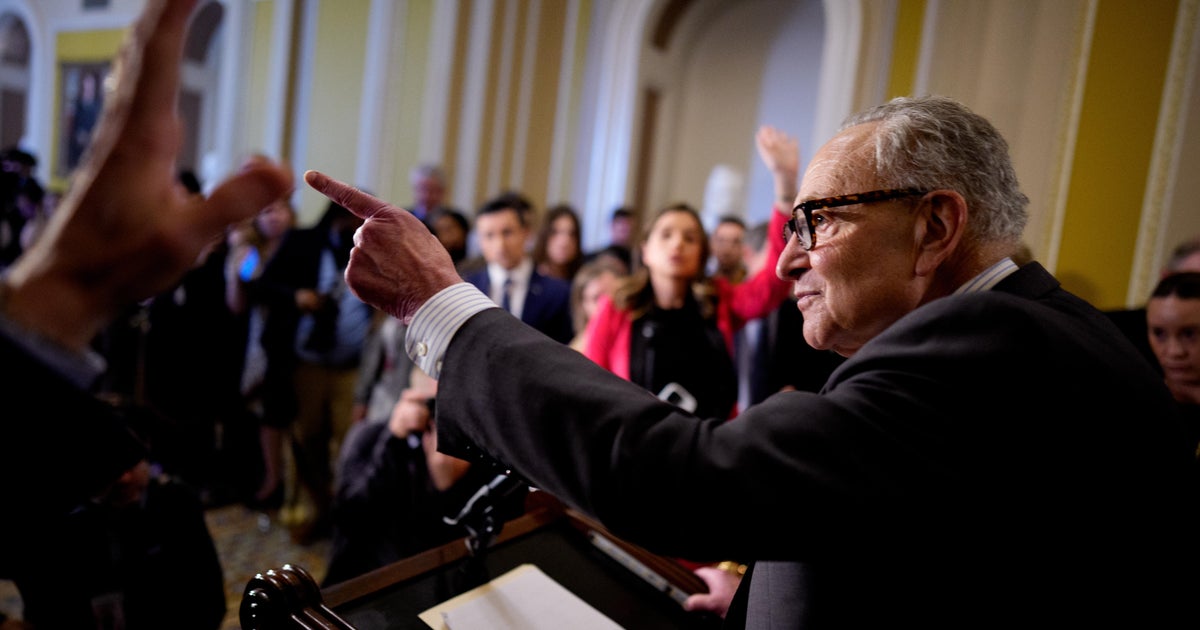
Senate Democratic leader Chuck Schumer called the measure “a permission slip for corruption” and said Republicans had designed it to fail. “The Republican toothless stock-trading bill is as ineffective as a screen door on a submarine,” he said on the Senate floor, according to CBS News. Democrats sought an outright ban and argued that restrictions should also cover the president and members of his administration.
The bill’s separate requirement for voters to show photo identification in federal elections drew another objection. Democrats called it a “poison pill,” saying it could make voting harder for eligible citizens and undermine mail voting. CBS News reported that the provision was included as President Donald Trump pressed Congress to pass election-related legislation ahead of the Nov. 3 midterms.
Senate Majority Leader John Thune, a South Dakota Republican, called the bill a “common-sense piece of legislation.” He said it was “an important way to ensure that members of Congress are held to the standards that America should be able to expect of their representatives.” Republican Senator Pete Ricketts of Nebraska said Congress needed to “restore the faith of the American people.”
The vote followed years of unsuccessful attempts to tighten congressional trading rules. The Guardian reported that a Senate committee advanced a reworked stock-trading ban last year by an 8-7 vote, with Republican Senator Josh Hawley of Missouri the only member of his party supporting it. That proposal did not become law.
Questions about officials’ investments have continued in the meantime. According to The Guardian, a Common Cause report found that members of both parties made 13,324 trades worth $635.6 million last year. The Guardian also reported that Democratic Senator Elizabeth Warren and Representative Robert Garcia cited disclosures showing more than 14,000 trades in Trump’s first year back in office, worth up to $1.06 billion. Bloomberg reported nearly 28,700 Trump trades from January 2025 through June 2026, compared with 22,200 by all lawmakers combined. The filings do not show insider trading or establish whether Trump directed the trades himself.






Be First to Comment