Key takeaways:
- The school ban covers burqas and niqabs but not hijabs that leave the face visible.
- The 30% limit on pupils with limited Italian in certain classes is due to begin next year, according to Al Jazeera.
- Local school offices would spread pupils with limited Italian among nearby schools; exemptions and extra Italian teaching would apply where that is not possible.
Italy’s cabinet has approved a ban on face-covering veils in schools and a 30% limit on pupils with limited Italian in certain classes, measures the government says will help children integrate but educators question how they will work.
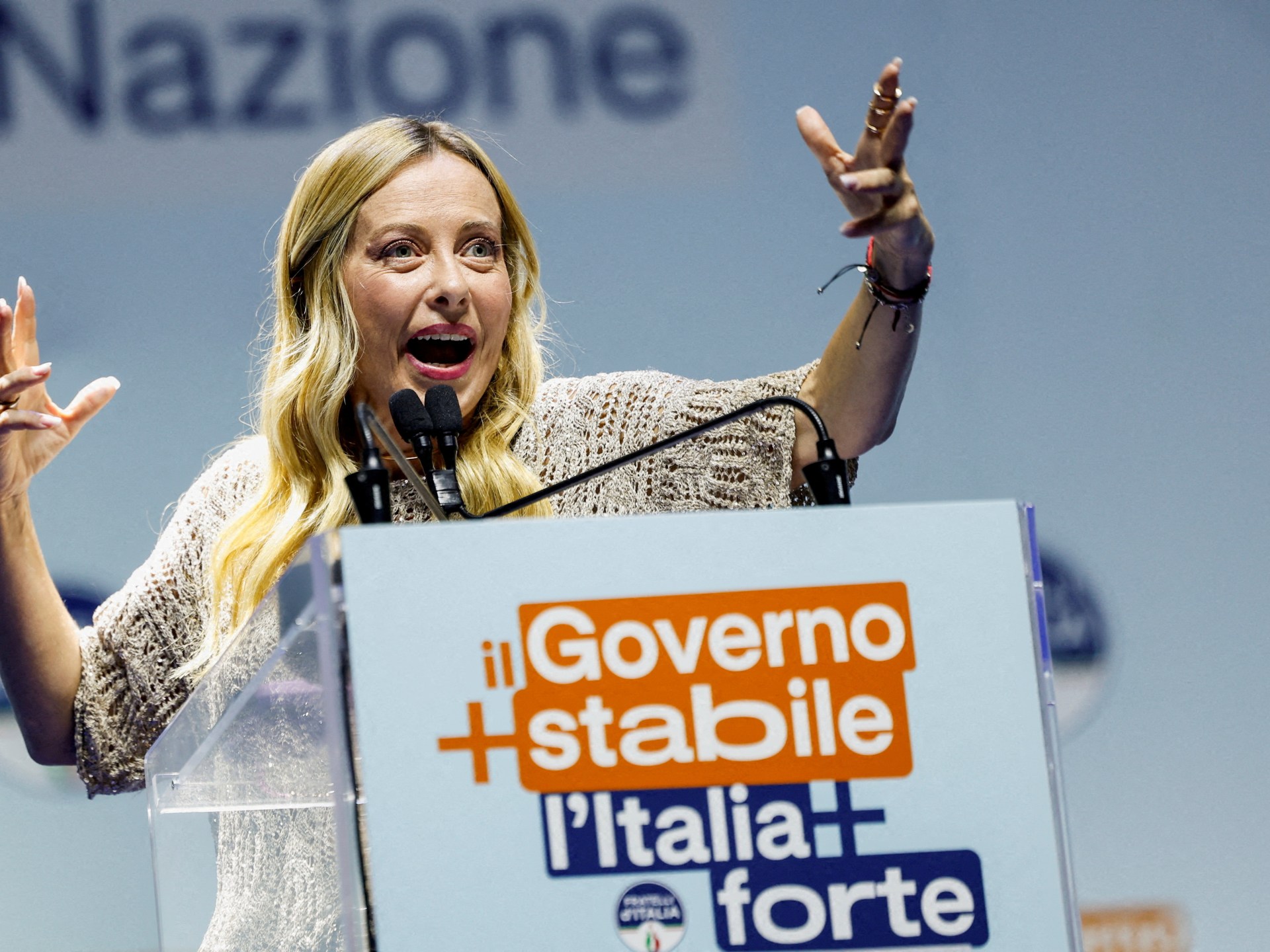
Prime Minister Giorgia Meloni’s cabinet adopted the decree-law on Thursday. It bans the burqa and niqab, which cover the face, but not the hijab, which leaves it visible. The classroom limit is due to begin next year, according to Al Jazeera.
Meloni called the measures “common-sense tools that do not divide but really help to integrate”. Announcing the plans on Sunday, she said: “You must go to school with your face uncovered,” adding that no one should decide a young woman must hide herself in the name of tradition.
The 30% limit concerns pupils with limited Italian at the start of primary, lower-secondary and upper-secondary school. The BBC reported that the criteria differ by stage: in primary school, they cover non-Italian citizens who were not born in Italy or have not attended at least two years of nursery school. At secondary level, they cover pupils without Italian citizenship who have not successfully completed at least three years in Italy’s school system.
Education Minister Giuseppe Valditara said the limit was “purely linguistic” rather than a citizenship measure. Local school offices would spread pupils with limited Italian skills more evenly among nearby schools. Where that is not possible, exemptions and extra Italian teaching would apply. Valditara said the aim was to avoid “ghetto classes”. He estimated the measure would affect about 1,000 classrooms, or 0.3% of the national total, Al Jazeera reported.
Breaches could draw fines of up to 1,000 euros ($1,140), according to Al Jazeera. The outlet also reported that President Sergio Mattarella, who must sign off on the measure, had expressed concern about barriers to education. A decree-law can take effect immediately but must be ratified by parliament within 60 days.
Italy already had guidance setting a 30% limit “as a rule” on pupils without Italian citizenship under a 2010 ministerial notice. The new decree puts a limit into law. The BBC reported that, according to the Ansa news agency, a draft would require schools to alert social services when persistent language barriers involving parents or guardians hinder a child’s integration. Free Italian courses would also be offered.
The outlets cited different figures for the share of pupils without Italian citizenship. Research institution Fondazione ISMU put it at 11.6%, the BBC reported. Education Ministry data for 2022-23 put it at 11.2% and showed that 7.6% of classes had more than 30% foreign students, according to Al Jazeera.
Opposition politicians accused Meloni of trying to counter Roberto Vannacci’s hard-right Futuro Nazionale party ahead of the next general election. Democratic Party leader Elly Schlein called the decree an “ideological banner” that hid the government’s inability to address problems in public schools, according to Al Jazeera. Valditara rejected the political accusation: “We are not chasing Vannacci; if anything, he is chasing us.” Vannacci said he supported the measures but that they should have come years earlier.
Teachers’ unions criticised a lack of consultation and resources, Al Jazeera reported. Antonello Giannelli, head of the National Association of Principals, said the educational issue was valid but “difficult to turn into a practical solution”.

Be First to Comment