Key takeaways:
- U.S. District Judge Noël Wise ruled that the Trump administration violated the First Amendment by seeking to deport noncitizens for protected speech criticizing Israel or supporting Palestinians.
- The Stanford Daily said noncitizen staff members quit, withheld articles, refused assignments, requested article removals or sought anonymity because they feared immigration consequences.
- Wise criticized Secretary of State Marco Rubio’s visa revocation policy as “standardless” and said it showed a pattern of targeting noncitizens critical of the government or causes it favors.
A federal judge in California has ruled that the Trump administration violated the Constitution by seeking to deport international students and other noncitizens for criticizing Israel and supporting Palestinians, saying the government cannot punish protected speech because it dislikes the message.
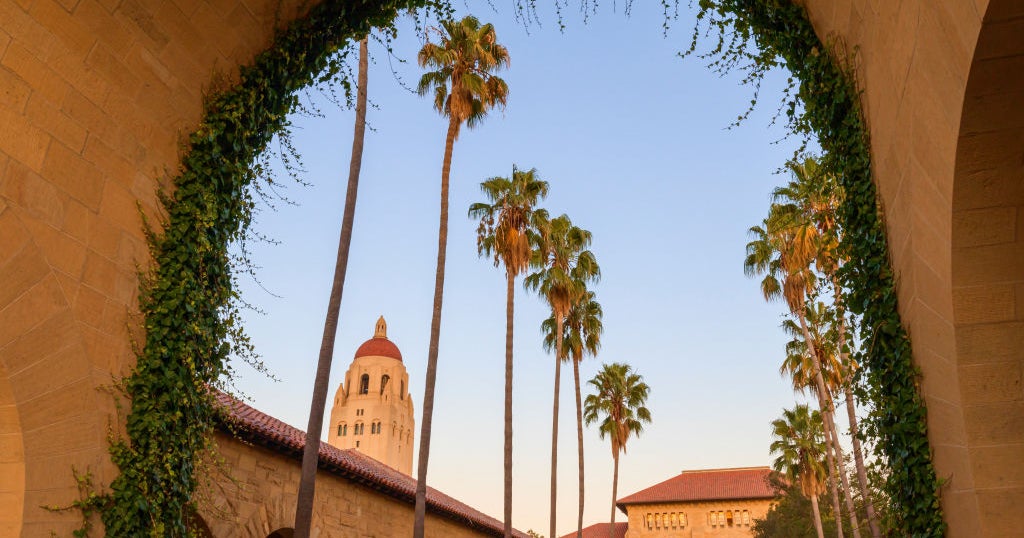
U.S. District Judge Noël Wise issued the ruling Friday in San Jose, delivering a victory to The Stanford Daily, Stanford University’s independent student newspaper, and two anonymous foreign nationals who said they feared immigration consequences if they spoke or wrote about pro-Palestinian protests.
“Stated plainly, in the United States, freedom of speech belongs to the people,” Wise wrote in her 90-page decision. “It is not the government’s to take.”
The case centered on actions by the State Department and Department of Homeland Security under President Donald Trump’s second administration, including visa revocations and detention efforts aimed at noncitizens who engaged in pro-Palestinian advocacy or criticized Israel’s war in Gaza. The detentions began with Columbia University graduate Mahmoud Khalil in March 2025, Al Jazeera reported. Khalil, a permanent U.S. resident who had served as a negotiator for student groups during campus protests, is fighting deportation in a separate case.
“No one should fear speaking up for Palestine,” Khalil wrote Saturday on X.
Wise struck down portions of the government provisions used in deportation actions, citing First Amendment free-speech protections and Fifth Amendment concerns about vagueness. She said noncitizens lawfully present in the United States have the same First Amendment rights as citizens and cannot be left to guess what speech may violate U.S. foreign policy at any given moment.
“This is an incomprehensible standard,” she wrote. “While the Court understands that the government has been granted considerable discretion on foreign policy and immigration matters, that discretion must nevertheless still ensure that ordinary people can understand what the law permits and prohibits.”
The Trump administration had cited the Immigration and Nationality Act, which allows the secretary of state to exclude foreign nationals if their presence could cause “potentially serious adverse foreign policy consequences for the United States.” Wise criticized Secretary of State Marco Rubio’s use of that authority, calling the enforcement “standardless.”
“The record does reveal one clear pattern in the enforcement actions the government has taken to revoke noncitizens’ visas since March of 2025,” she wrote. “The secretary revokes visas when noncitizens are critical of the government or the causes or people it favors. This exemplifies ‘seriously discriminatory enforcement.’”
Wise said the government had sent a chilling message to campuses: “speak out against Israel or in support of Palestinians and we will revoke your visa and deport you. Behave.” Noncitizen students, she wrote, “heard the warning and heeded. And, as the idiom goes, the silence is deafening.”
At The Stanford Daily, she noted, lawfully present noncitizens had quit, withheld articles, refused assignments, requested that articles be taken down and sought anonymity because they feared immigration consequences.
George Porteous, the paper’s editor-in-chief, welcomed the decision. “The reporters in our newsroom shouldn’t have to fear that writing a story will result in their deportation,” he wrote on X. “Today’s victory means they won’t have to.”
Conor Fitzpatrick, an attorney with the Foundation for Individual Rights and Expression, which brought the lawsuit, also praised the ruling. “In America, free speech doesn’t just belong to the people who say things the government agrees with,” he said. In a separate statement cited by Al Jazeera, he said the decision showed that free speech is “the inalienable right of every man, woman, and child.”
The Justice Department did not respond Saturday to a CBS News request for comment. Al Jazeera reported that it had contacted the State Department and DHS for comment.
Wise’s decision echoed a ruling by a federal judge in Massachusetts, who found in September 2025 that U.S. officials violated the First Amendment when they attempted to detain and deport noncitizen students and academics for pro-Palestinian advocacy.



Be First to Comment