Key takeaways:
- An internal document showed only 1.8% of teens used Instagram’s Take a Break feature at one point before Meta made it a default on teen accounts in 2024.
- Mosseri confirmed Meta did not disclose that only about 1% to 2% of teens had adopted the feature when it promoted that more than 90% of users kept it on.
- The trial involves allegations that Meta designed Facebook and Instagram to hook young users and misled consumers; Meta denies seeking to addict children.
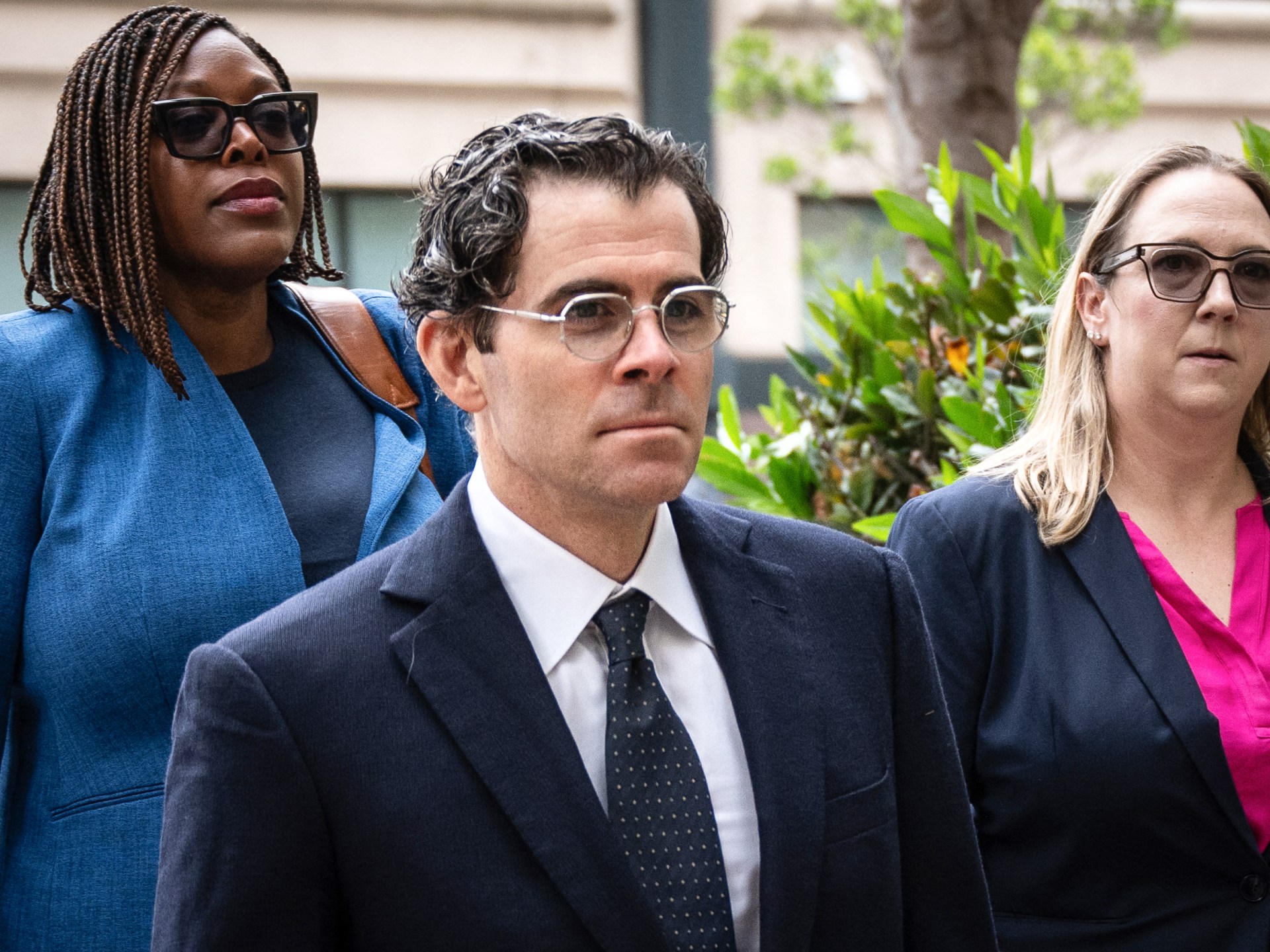
Instagram head Adam Mosseri acknowledged in federal court Tuesday that a safety tool meant to help teenagers limit their time on the app drew far fewer users than Meta had hoped before the company later turned it on by default for teen accounts.
Testifying in Oakland, California, Mosseri said the “Take a Break” feature, introduced in 2021, “helped, but not nearly as much as we hoped.” The tool sends a pop-up encouraging young users to pause after they have spent a set amount of time on Instagram. An internal document presented by lawyers for the states showed that at one point only 1.8% of teens used it.
Meta, the parent company of Instagram and Facebook, is on trial over allegations that it designed its platforms to hook young users, harvest their data and mislead the public about dangers to children and teenagers. California, Colorado, Kentucky and New Jersey have accused the company of driving anxiety, depression and even suicide while hiding the risks. Al Jazeera reported that 29 states are involved in the broader lawsuit, including claims that Meta violated federal law by improperly collecting and using personal data from children under 13.
Meta has denied the allegations, saying it did not seek to addict children and that its research showed no clear link between adolescent social media use and a lack of well-being. Company lawyers have sought to show that Meta recognized the risks of overuse and created tools to address them.
Under questioning from Jason Slothouber of the Colorado Attorney General’s office, Mosseri acknowledged that Take a Break had low adoption before Meta made it a default setting on teen accounts in 2024. He denied that Instagram stalled in making the change.
“Most teens didn’t want it,” Mosseri said, according to Al Jazeera. “We decided to push forward with it anyway.”
Slothouber pressed Mosseri on a December 2021 blog post in which the Instagram chief wrote that “more than 90%” of teenagers who used Take a Break kept it on. Mosseri confirmed that the post did not disclose that only about 1% to 2% of teens had adopted the feature. Asked whether parents had any way at the time to know the usage rate was that low, he replied, “Correct.” Asked whether Meta had ever disclosed the figure, he again said, “Correct.”
Mosseri said the issue became “entirely moot” after Meta introduced teen accounts in 2024 and made the feature a default. Slothouber noted that the change came after the states sued Meta in 2023.
The states argue Meta withheld relevant information from users and parents, violating consumer protection laws. Former Meta employees have also questioned whether the tools were effective. “In my experience, Take a Break is a feature that’s designed to fail,” Arturo Bejar, a former Meta engineering director, testified last week, according to Al Jazeera. George Volichenko, a data scientist who worked on Instagram safety features in 2022 and 2023, testified Monday that adoption of such tools was “very low” and that leaders declined to make Quiet Mode the default for young teens because it would have had a “notable negative impact” on engagement.
Mosseri described Take a Break and Quiet Mode, which silences Instagram alerts, as part of a larger set of safety measures. “In general, there are no silver bullets to problems like this. We have to do many things that add up,” he said.
He also defended Meta against what he called selective use of internal records. “I think parents want to have good information about services, risks, etc.,” Mosseri said. “That’s different than reporters or lawyers taking small bits from much larger documents and focusing on them in things like articles and trials.”
The case carries major financial stakes. NPR reported that an initial estimate of potential penalties runs as high as $1.4 trillion, while Al Jazeera reported that the states are seeking approximately $200 billion in damages. The trial could last about six weeks. Jurors are expected to issue an advisory verdict, and U.S. District Judge Yvonne Gonzalez Rogers will decide liability, penalties and any required changes to Facebook and Instagram.












Be First to Comment