Key takeaways:
- ABC said the FCC’s early review of eight Disney-owned station licenses is retaliation meant to pressure media coverage.
- The stations’ licenses were not due for renewal until October 2028, and Al Jazeera reported the FCC has not taken such an early-review step in more than 50 years.
- ABC submitted more than 140,000 community comments to the FCC and said more than 95% supported the stations.
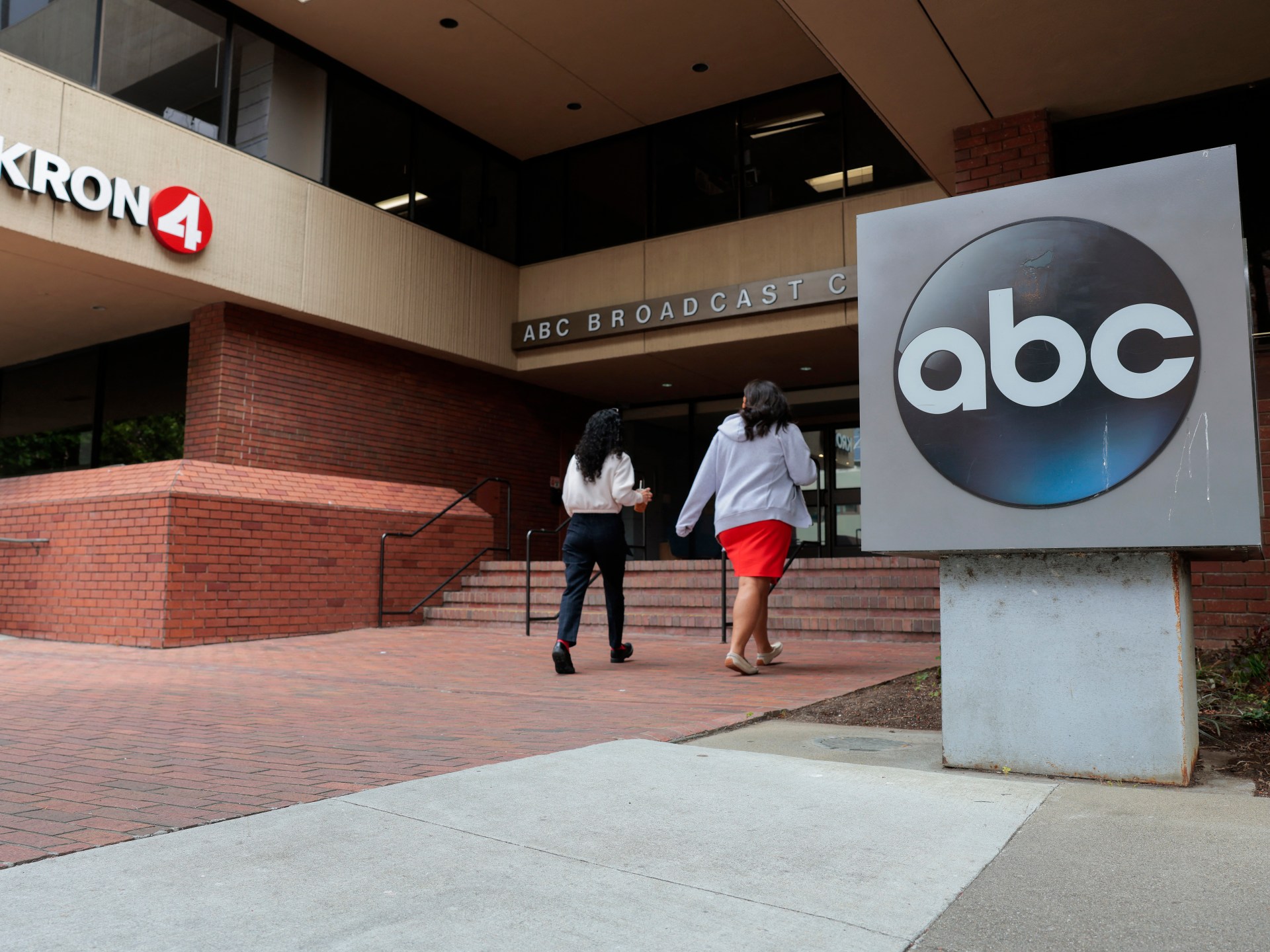
ABC has accused the Federal Communications Commission of using an unusual early review of eight Disney-owned broadcast licenses to intimidate news organizations whose coverage President Donald Trump dislikes.
In a filing posted Thursday on the FCC’s website, lawyers for the network said the agency’s review amounted to retaliation and warned that the move could chill press freedom across the media industry.
“The retaliation against ABC is a signal to every media company in the country: accommodate the Administration’s view of what news coverage should look like or pay the price,” ABC’s lawyers wrote.
The filing challenges FCC Chair Brendan Carr’s decision to conduct an early review of licenses for ABC-owned stations in New York City, Los Angeles, Chicago, Philadelphia, Houston, San Francisco, Raleigh-Durham and Fresno. Al Jazeera reported that the licenses were not due for renewal until October 2028 and that the FCC has not taken such an early-review step in more than 50 years.
The FCC has said the review was prompted by an investigation into whether Disney’s diversity policies amounted to unlawful discrimination. ABC’s lawyers argued that the agency is instead singling out the stations because of the network’s coverage and viewpoints.
“There is no question why the Commission is singling out these eight stations,” they wrote. “Each is owned by ABC, and the Administration has openly and repeatedly called for the revocation of ABC’s licenses, because it dislikes the content and viewpoints expressed on ABC network programs.”
ABC also accused the administration of using government power to pressure disfavored speakers. “Across the government, regulatory and contracting carrots and sticks have been trained on other disfavored speakers,” the filing said. “The tools vary; the objective does not: a media industry too fearful of official reprisal to report the news freely.”
The dispute follows repeated public criticism by Trump and Carr of major broadcasters. In March, Carr wrote on X that “Broadcasters that are running hoaxes and news distortions — also known as the fake news — have a chance now to correct course before their license renewals come up,” alongside a screenshot of a Trump social media post criticizing coverage of the war in Iran. “The law is clear. Broadcasters must operate in the public interest, and they will lose their licenses if they do not.”
Al Jazeera reported that Trump has called for regulators to revoke licenses of outlets with coverage critical of the government and its allies. In November, he said the FCC should revoke ABC’s licenses after a correspondent asked Saudi Crown Prince Mohammed bin Salman a critical question, calling it “insubordinate.” In July, after several broadcasters including ABC did not air a Trump speech on election integrity on their main channels, Trump said, “Fraud like this should mean a revocation of their licences.”
ABC said in its filing that pro-Trump groups have asked the FCC to deny license renewals for the eight stations. The network submitted more than 140,000 comments it said came from the stations’ local communities, including individual viewers, police and firefighters, charities, businesses and schools. More than 95% supported the stations, ABC said.
The network asked the FCC to dismiss the petitions challenging the renewals.
“The Commission cannot rest a renewal decision on the content of a station’s programming,” ABC’s lawyers wrote. “Nor may it condition renewal on whether a broadcaster gave sufficient airtime to particular viewpoints, covered particular stories, featured particular guests, adopted particular interview formats, or framed public issues in a particular manner.”




Be First to Comment