Key takeaways:
- Five incumbent Indiana Republican state senators who opposed Trump's redistricting plan lost their primaries to Trump-endorsed challengers.
- The proposed redistricting map aimed to increase Republican U.S. House seats in Indiana from seven to nine but failed in the state Senate despite a GOP supermajority.
- Trump publicly vowed political retribution against senators who opposed the map, labeling them "RINOs" and supporting challengers with significant outside funding.
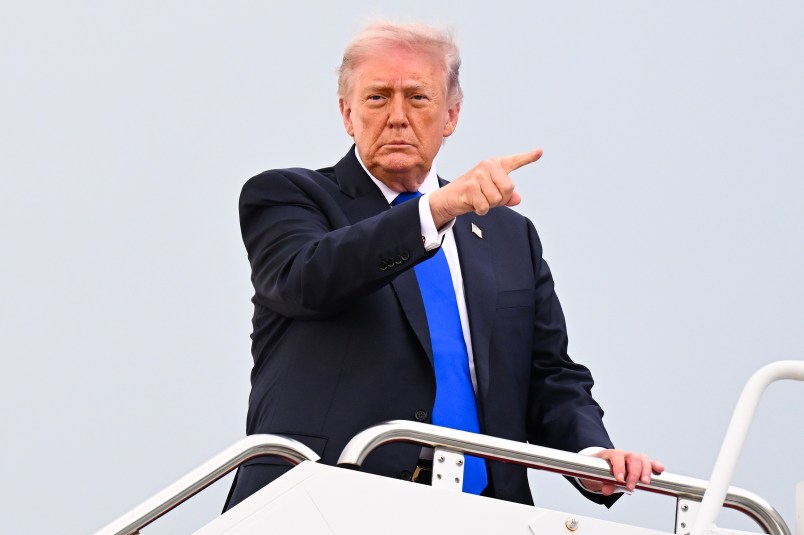
President Donald Trump’s campaign to unseat Indiana Republican state senators who opposed his redistricting plan largely succeeded in Tuesday’s primaries. Five incumbent senators who voted against the GOP-backed congressional map lost their primaries to Trump-endorsed challengers, with a sixth Trump-supported candidate winning an open seat. One incumbent survived a Trump-backed challenge, while another race remained too close to call late Tuesday.
The redistricting battle centered on a proposed map that would have increased Republican-held U.S. House seats in Indiana from seven to nine, effectively eliminating Democratic representation. The plan, endorsed by GOP Governor Mike Braun and passed by the state House, failed in the state Senate despite the Republican supermajority, with 21 Republicans, including Senate President Rodric Bray, voting against it.
Opponents cited both ethical concerns about gerrymandering and practical doubts about winning all nine seats in a difficult election year. Bray told CNN the caucus was “fairly evenly split” and decided the map was not the right path for Indiana. Ball State University professor Chad Kinsella noted that “Hoosiers don’t like gerrymandering” and that senators feared backlash from their constituents.
Trump responded to the Senate’s rejection with a vow of political retribution, endorsing challengers against eight incumbent Republicans who opposed the map. He labeled the incumbents “pathetic,” “incompetent,” and “RINOs” on his social media platform Truth Social. Trump also endorsed 11 incumbents who supported the map. Allied groups contributed heavily to the challengers’ campaigns, with Senate Republican leadership estimating $9 million in out-of-state funding and total ad spending reaching $13.5 million—far exceeding the $300,000 spent in 2022.
Several incumbents reported harassment and doxxing amid the fight. Senate President Bray acknowledged Trump’s threats but expressed no regrets over the vote, stating, “Indiana’s going to do things the way Indiana needs to do them.”
Among those defeated was longtime Senator Travis Holdman, majority caucus chair, who lost to Trump-backed Blake Fiechter. Holdman thanked his supporters and emphasized that “revenge and retribution is not a Christian value.”
Other incumbents who lost include Linda Rogers (District 11), Jim Buck (District 21), Greg Walker (District 41), and Dan Dernulc (District 1), all defeated by Trump-endorsed challengers. Greg Goode (District 38) was the only incumbent to fend off a Trump-backed challenger, while results were pending for Spencer Deery (District 23) and Rick Niemeyer (District 6).
The primary challenges were supported by Trump-aligned Super PACs such as Turning Point Action. The late Charlie Kirk, Turning Point USA co-founder, was an early advocate for these efforts.
Senator Greg Walker, who opposed the redistricting and faced threats including swatting attempts, chose to seek reelection to continue representing Indiana interests rather than national political battles. He criticized the federalization of Indiana elections and the use of state politics as a proxy for national conflicts.
Trump publicly criticized Bray and Goode for opposing the redistricting, accusing them of allowing Democrats to gain seats and labeling them “RINOs.” He also disparaged Deery as an “incompetent and ineffective RINO incumbent.”
Governor Braun called Tuesday a “historic night for Indiana,” and Senator Jim Banks expressed pride in electing more conservative Republicans to the state Senate. The results underscore Trump’s continued influence within the Indiana GOP and highlight the contentious nature of redistricting battles ahead of the midterm elections.





Be First to Comment