Key takeaways:
- The national average gas price is $4.16 per gallon, up 91 cents from a year ago and over $2 higher than before the conflict began.
- Global oil prices fell below $95 per barrel after the ceasefire but rebounded above $100 amid doubts about the truce's durability.
- The Strait of Hormuz remains a critical and contested passage, with Iran restricting tanker traffic and the U.S. demanding free access.
A ceasefire announced between the U.S. and Iran has eased immediate tensions but has yet to bring significant relief to American drivers facing soaring gasoline prices. Experts say any drop in fuel costs could take weeks to materialize and may be short-lived if the ceasefire unravels.
Patrick De Haan, petroleum analyst at GasBuddy, noted that gas prices might start to decline as soon as this weekend, though initial decreases could be just a few cents per gallon. “If the situation holds and it doesn’t worsen, the national average probably has enough room to make a run at falling back below the $4 gallon mark,” he said. However, De Haan cautioned that any re-escalation could halt price drops and push prices back up.
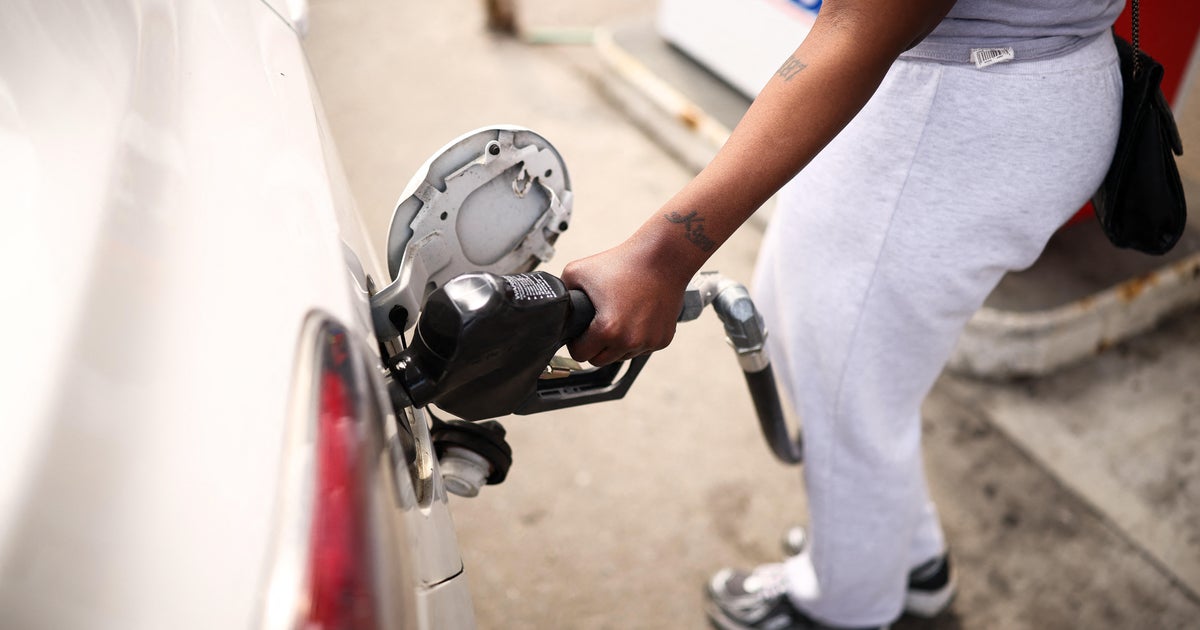
Currently, the national average for a gallon of regular gasoline stands at $4.16, up from $2.98 before the U.S. and Israel launched attacks on Iran in late February, and 91 cents higher than a year ago, according to AAA data. Some states report prices exceeding $5 per gallon, while diesel averages $5.67.
Global oil prices fell below $95 per barrel on Wednesday, down from levels before the ceasefire but still elevated compared to the $65 to $75 range seen prior to the conflict. Bernard Yaros, lead U.S. economist at Oxford Economics, said, “The cease fire, if it sticks, I would anticipate that gas prices at least stabilize, if not go lower,” but emphasized that market perceptions of safety in the Strait of Hormuz remain critical.
The Strait of Hormuz, a vital waterway for about one-fifth of the world’s oil and liquefied natural gas shipments, remains a focal point of uncertainty. Iranian media reported that Tehran suspended tanker traffic through the strait and is considering withdrawing from the ceasefire deal over Israeli attacks in Lebanon. White House Press Secretary Karoline Leavitt dismissed reports of the strait’s closure as “false.”
On Thursday, doubts about the ceasefire’s durability grew. U.S. crude oil prices rebounded above $102 per barrel early Thursday before settling near $96, while Brent crude hovered around $94. The national average gas price rose slightly to $4.17 per gallon. Analysts at ING commodities noted that “prices rebounded as fighting in the Middle East continued, and the ceasefire outlook deteriorated, keeping uncertainty around the Strait of Hormuz firmly in focus.”
Iranian officials, including Parliament Speaker Mohammad Bagher Ghalibaf, accused the U.S. of violating the ceasefire and warned of “strong responses” to violations. Iran insists that Israeli strikes in Lebanon must cease as part of any agreement, a condition the U.S. and Israel reject, viewing it as a separate conflict. Iran also plans to police and impose tolls on ships passing through the strait, while the U.S. demands unrestricted access.
Sultan Al Jaber, CEO of Abu Dhabi National Oil Co., stated on LinkedIn that “the Strait of Hormuz is not open. Access is being restricted, conditioned and controlled,” underscoring ongoing market uncertainty.
Ship traffic through the strait remains minimal, with only four vessels passing on Wednesday—the lowest since late March—according to S&P Global Market Intelligence. Despite the ceasefire announcement, U.S. crude oil prices have surged more than 70% since the conflict began.
Economist Mark Zandi of Moody’s Analytics projects that if oil prices stabilize around $90 per barrel, gas prices could retreat to about $3.75 per gallon in the coming weeks and settle near $3.50 by year’s end. Still, he warned, “I don’t think there is any going back to sub-$3 gallon for a while. Prices go up like a rocket, and they come down like a feather.”
Stock markets reacted to the evolving situation, with the S&P 500 rising 0.7%, the Dow gaining over 385 points, and the Nasdaq increasing 0.8% following Israeli Prime Minister Benjamin Netanyahu’s announcement of efforts to open direct negotiations with Lebanon.
GasBuddy’s De Haan summarized the volatile outlook: “This roller coaster may not be over yet,” though he acknowledged that the initial oil price drop after the ceasefire could bring some relief to gas prices this weekend.







Be First to Comment