Key takeaways:
- An airstrike near the Strait of Hormuz disabled a critical water desalination plant on Qeshm Island, affecting 150,000 residents, and possibly damaged a power plant; this follows U.S. warnings to target Iranian civilian infrastructure if diplomacy fails.
- Iranian drone attacks in the Persian Gulf damaged a Kuwaiti oil tanker, raising environmental concerns and contributing to rising global energy prices, with U.S. gasoline surpassing $4 per gallon.
- Israeli Prime Minister Netanyahu reported progress in military objectives against Iran and proposed rerouting energy pipelines to bypass Iranian control, while diplomatic talks remain uncertain amid conflicting claims from the U.S. and Iran.
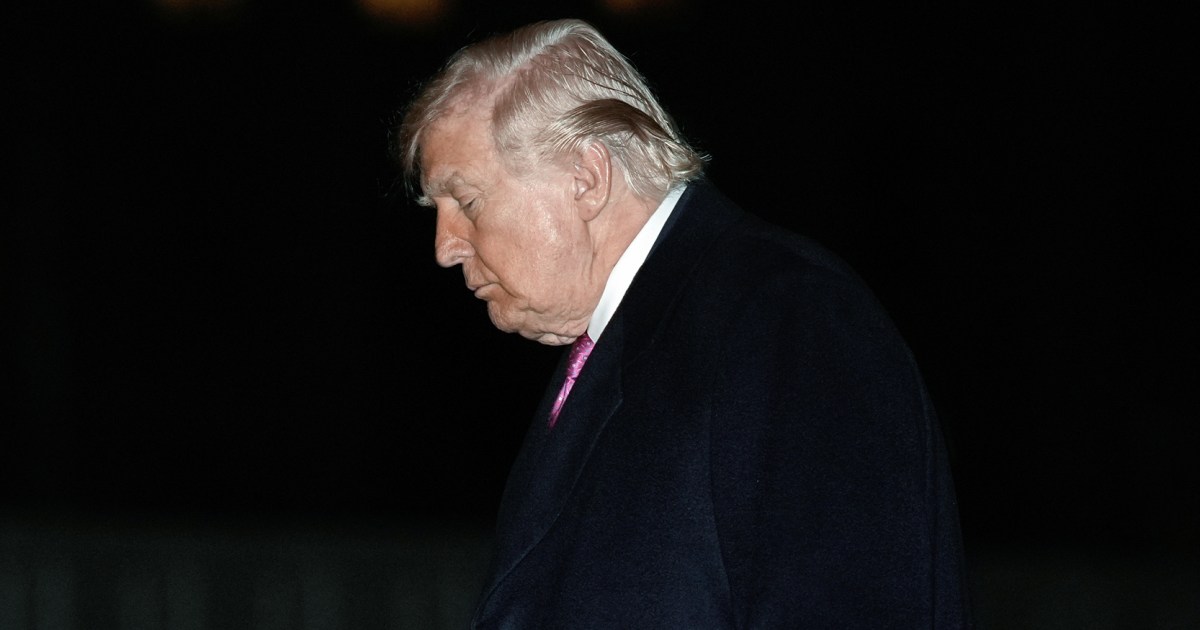
Rising tensions in the ongoing conflict between the United States, Israel, and Iran have led to significant impacts on regional infrastructure and global energy markets. Iranian state media reported that a water desalination plant on Qeshm Island, located near the strategic Strait of Hormuz, was taken offline following an airstrike attributed to either Israeli or U.S. forces. The plant is critical, as it supplies all drinking water to the island’s approximately 150,000 residents. Unconfirmed reports also suggest that a power plant on the island may have been damaged in the same strike. This development follows President Donald Trump’s recent warning that the U.S. might target Iran’s civilian energy and water infrastructure if no diplomatic resolution is reached.
The conflict’s escalation has also affected maritime security in the Persian Gulf. Kuwaiti state media reported that an Iranian drone attack caused a fire on the Kuwaiti Very Large Crude Oil Carrier (VLCC) Al-Salmi while it was anchored at Dubai Port. Although no injuries were reported, the attack caused material damage to the tanker’s hull and raised concerns about a potential oil spill in the surrounding waters. Kuwait’s military confirmed that its air defenses were actively responding to hostile missile and drone attacks in the region. These incidents have contributed to volatility in global energy markets, pushing U.S. gasoline prices above $4 per gallon for the first time in nearly four years.
Amid the ongoing hostilities, Israeli Prime Minister Benjamin Netanyahu stated that Israel has achieved more than half of its military objectives in the conflict with Iran but did not specify a timeline for its conclusion. Netanyahu also mentioned potential military solutions led by the United States to reopen the Strait of Hormuz, a critical chokepoint for global oil shipments. He proposed a long-term strategy to reroute energy pipelines from the Persian Gulf through Saudi Arabia to the Red Sea and onward to Israeli ports on the Mediterranean, aiming to circumvent Iranian control of the region.
Diplomatic efforts to resolve the conflict remain uncertain. Although President Trump announced that the U.S. is engaged in serious discussions with Iran through intermediaries, including Pakistan, Iran has denied that any direct negotiations are taking place. The U.S. has reportedly presented a 15-point plan demanding, among other conditions, that Iran cease uranium enrichment and relinquish its stockpile of fissile material. Iranian officials have rejected these demands and countered with their own proposals, which include a halt to aggression against Iran, reparations for war damages, and international recognition of Iran’s sovereignty over the Strait of Hormuz. Despite public denials from Iranian leaders, U.S. officials maintain that behind-the-scenes talks continue, reflecting a complex and opaque diplomatic landscape as the conflict persists.



Be First to Comment