Key takeaways:
- Over 1,100 Afghan refugees who supported the U.S. remain stranded at Camp As Sayliyah in Qatar, facing a March 31 deadline to relocate to an unspecified third country or return to Taliban-controlled Afghanistan, despite risks of persecution.
- The camp, managed by the U.S. government, symbolizes broken promises, with residents living in harsh conditions amid regional instability, including missile strikes from Iran and conflict between Afghanistan and Pakistan.
- Experts and advocates criticize the Trump administration’s handling of the situation, while U.S. officials defend closing the camp and promoting third-country relocation, though the future for those refusing relocation remains uncertain amid escalating Middle East tensions.
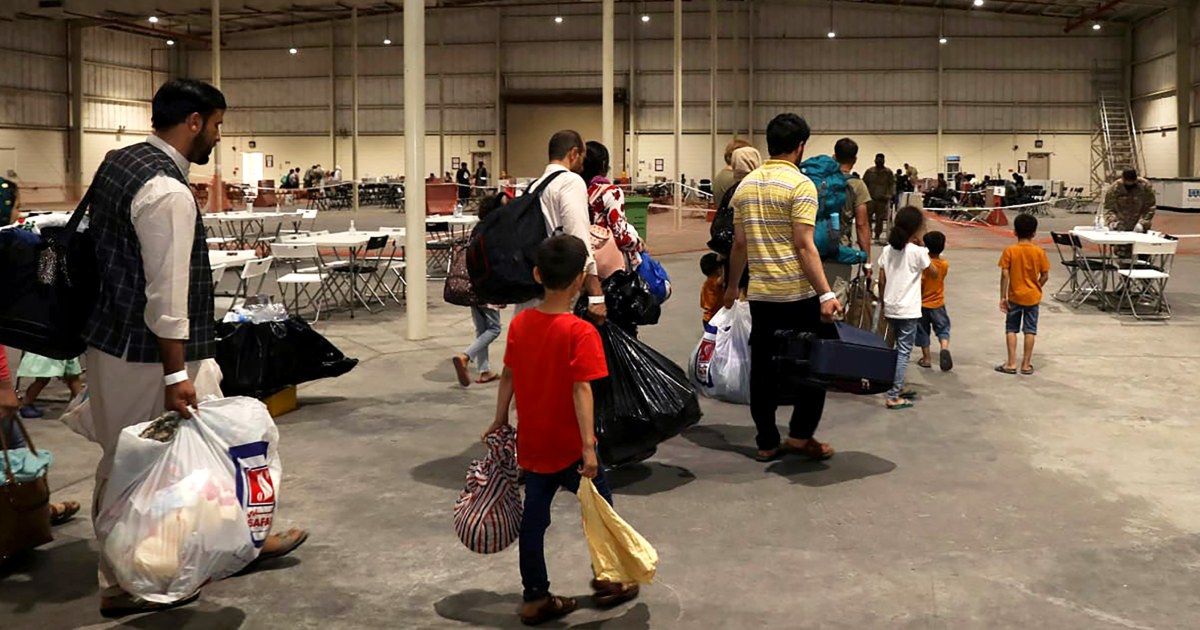
More than 1,100 Afghan refugees who supported the United States during its two-decade conflict with the Taliban remain stranded at Camp As Sayliyah, a former U.S. military base near Doha, Qatar. These individuals, including former Afghan special forces members, interpreters, and relatives of U.S. service members, were initially promised resettlement in the United States after extensive vetting. However, the Trump administration has set a deadline of March 31 for their removal from the camp, offering them a choice to relocate to an unspecified third country or return to Taliban-controlled Afghanistan, where they face risks of persecution, imprisonment, or death.
Camp As Sayliyah is the only Afghan refugee site directly managed by the U.S. government and has become a symbol of broken promises for many who risked their lives alongside American forces. Residents live in windowless shipping containers with limited freedom of movement and scarce educational opportunities. The camp’s precarious location has also exposed its inhabitants to regional instability, including missile strikes from Iran in retaliation for U.S. actions, as well as ongoing conflict between Afghanistan and Pakistan, which has resulted in civilian casualties from Pakistani airstrikes.
Advocacy groups and some former military personnel have criticized the Trump administration’s handling of the situation. Shawn VanDiver, president of AfghanEvac, described the camp as a “prison camp” and expressed concerns about the long-term viability of relocating refugees to third countries, which may not offer permanent safety or resettlement guarantees. Mohammad, a U.S. Army veteran whose family remains at the camp, voiced feelings of betrayal by the administration, emphasizing the danger his relatives face if forced to return to Afghanistan despite offers of financial incentives to do so.
A State Department spokesperson defended the decision to close the camp, stating that it was a legacy of the Biden administration’s efforts to move Afghans to the U.S. “without proper vetting” and that indefinite housing at the camp was neither appropriate nor humane. The spokesperson also emphasized that no one would be forcibly returned to Afghanistan and described relocation to third countries as a “positive resolution” that would allow refugees to start new lives safely. However, the administration has not disclosed which countries have agreed to accept the refugees, and the future of those who decline relocation remains uncertain.
Meanwhile, tensions in the Middle East continue to escalate. On March 29, 2026, Iran policy analyst Karim Sadjadpour and retired General Frank McKenzie discussed ongoing conflicts on CBS’s “Face the Nation.” Sadjadpour described the Iranian regime as unyielding, motivated by a combination of survival and revenge against the Trump administration, and unlikely to compromise in the near term. General McKenzie noted that while Iran’s recent activation of militias in Yemen to attack Israel could disrupt regional shipping routes like the Bab el Mandeb Strait, the U.S. military is prepared to counter such threats and maintain control over critical waterways such as the Strait of Hormuz.
The interview highlighted the complexities of negotiating with Iran, with Sadjadpour pointing out that no faction within the Iranian leadership currently appears willing or able to alter its longstanding antagonism toward the U.S. and Israel. Despite significant losses among Iran’s top officials, the regime remains cohesive and ideologically steadfast. Both analysts suggested that a negotiated settlement to the conflict is unlikely in the near future, with Sadjadpour expressing skepticism about any resolution and predicting a prolonged stalemate.
These developments underscore the broader geopolitical challenges facing the U.S. and its allies, as well as the precarious position of Afghan refugees caught amid shifting policies and regional instability. The fate of those at Camp As Sayliyah remains uncertain as the March 31 deadline approaches, while tensions in the Middle East continue to fuel concerns about security and diplomatic prospects.




Be First to Comment