Key takeaways:
- The U.S. Department of Justice has launched a civil rights investigation into Ohio State University College of Medicine’s admissions policies, requesting detailed applicant data amid scrutiny following the Supreme Court’s 2023 ruling against affirmative action.
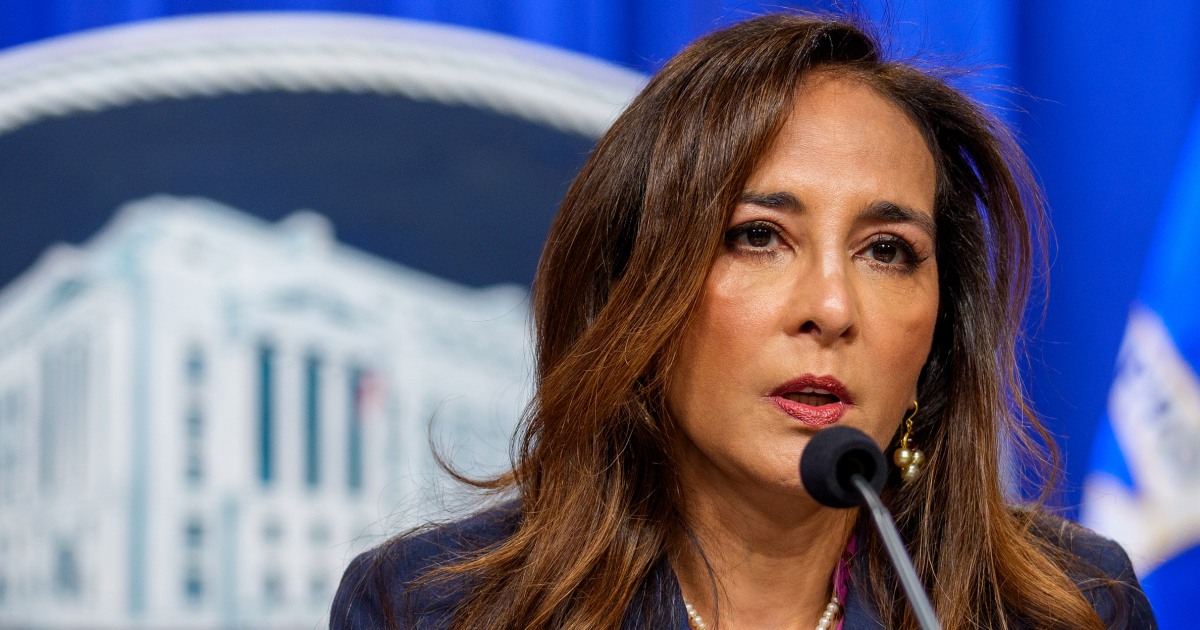
- Harmeet Dhillon, head of the DOJ’s Civil Rights Division since April 2025, has prioritized investigations into diversity, equity, and inclusion (DEI) policies, targeting multiple universities and openly criticizing DEI initiatives.
- The DOJ and Department of Homeland Security are nearing an agreement to share sensitive voter registration data for immigration and criminal investigations, raising privacy and transparency concerns amid ongoing legal disputes with states.
The U.S. Department of Justice (DOJ) has initiated a civil rights investigation into the admissions policies of the Ohio State University College of Medicine, according to a letter obtained by NBC News and confirmed by the university. The inquiry, led by the DOJ’s Civil Rights Division under Harmeet Dhillon, requests detailed applicant-level admissions data, including MCAT scores, GPA, extracurricular activities, essays, admission outcomes, and demographic information. The university has been given a deadline of April 24 to comply. This investigation follows the Supreme Court’s 2023 ruling that invalidated affirmative action policies in higher education, citing violations of the Equal Protection Clause of the Constitution.
Ohio State University, which admitted 211 students into its medical school class of 2025 from over 50,000 applicants, stated it is fully compliant with all relevant state and federal laws. Benjamin Johnson, a university spokesperson, said the institution would respond appropriately to the DOJ’s letter. The university had previously disbanded its Office of Diversity and Inclusion last year, with its president emphasizing a continued commitment to academic freedom and celebrating diverse backgrounds. The DOJ’s Civil Rights Division, which has shifted focus under the Trump administration and now under Dhillon’s leadership, has increasingly targeted diversity, equity, and inclusion (DEI) policies, including investigations into other universities such as Stanford and the University of California, San Diego.
Harmeet Dhillon, who took over the Civil Rights Division in April 2025, has a history as a conservative activist and was part of former President Trump’s legal team. Since assuming her role, Dhillon has prioritized investigations into DEI policies and other conservative causes. Her office has also been involved in high-profile cases, including an indictment related to a protest outside a Minneapolis church and efforts to dismiss charges against a woman mistakenly identified as a protest participant. Dhillon is active on social media, where she has openly criticized DEI initiatives, using the Latin phrase “DEI delenda est,” meaning “must be destroyed.” Her recent posts revealed ongoing investigations into admissions policies at multiple medical schools.
Separately, the DOJ and the Department of Homeland Security (DHS) are reportedly close to finalizing an agreement to share sensitive voter registration data collected by the DOJ’s Civil Rights Division with DHS for immigration and criminal investigations. Sources familiar with the plan told CBS News that the data-sharing arrangement aims to identify non-citizens who may be unlawfully registered to vote or have cast ballots in previous elections. The agreement would allow DHS officials, including those from Immigration and Customs Enforcement (ICE), to query voter registration data against federal immigration databases.
The plan has sparked concerns over privacy and transparency, as the DOJ has not disclosed the data-sharing arrangement in ongoing litigation with 28 states and the District of Columbia, which have resisted providing unredacted voter rolls due to privacy issues. Legal experts have questioned whether the DOJ’s failure to inform courts about the data-sharing plan violates professional conduct rules for attorneys. The White House has been involved in discussions regarding the arrangement, though its specific role remains unclear. The DOJ maintains that its efforts are focused on ensuring elections are free, fair, and transparent, emphasizing compliance with laws designed to maintain accurate voter registration lists.



Be First to Comment