Key takeaways:
- Diplomatic efforts to de-escalate the Iran-Israel conflict have reportedly begun, with the U.S. engaging in indirect talks facilitated by Pakistan and other regional countries, though official confirmations are pending.
- The conflict, triggered by U.S. and Israeli strikes on Iran, has caused over 2,000 deaths, displaced millions, and disrupted global energy markets, pushing Brent crude oil prices above $100 a barrel.
- Hostilities continue on the ground with missile strikes between Iran-backed groups and Israel, resulting in civilian casualties and heightened warnings from the International Energy Agency about risks to the global economy.
Amid ongoing conflict between Iran and Israel, coupled with U.S. involvement, diplomatic efforts to de-escalate the situation have reportedly begun, though official confirmations remain elusive. The war, which erupted following U.S. and Israeli strikes on Iran on February 28, has resulted in over 2,000 deaths and displaced millions. The fighting continues to disrupt global energy markets, with Brent crude oil prices rising above $100 a barrel early Tuesday, reflecting heightened concerns over supply amid the turmoil.
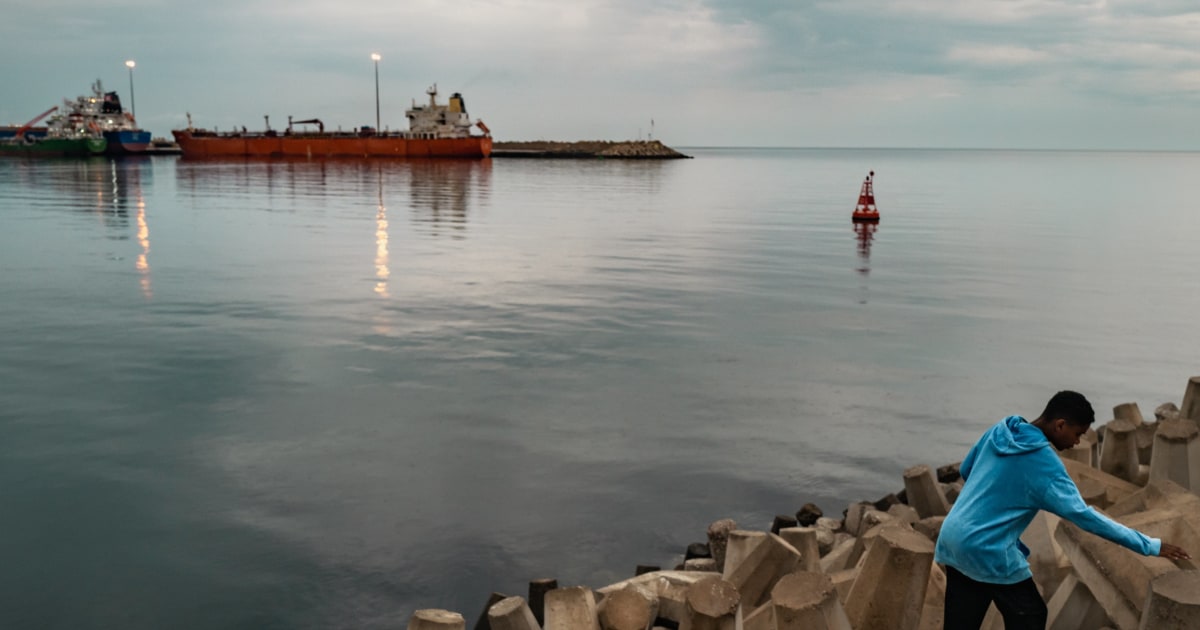
President Donald Trump announced on Monday that the United States and Iran had engaged in “very good and productive conversations,” signaling a potential shift toward diplomacy after a period of escalating threats. Trump extended a deadline for Iran to reopen the Strait of Hormuz, a critical maritime passage for global oil shipments that Iran has effectively blocked. He stated that the U.S. would observe a five-day period of talks before deciding on further military action, emphasizing optimism about reaching a deal. However, Iranian officials have denied direct negotiations, with some accusing the U.S. of attempting to manipulate financial markets. Still, Iran’s Foreign Ministry spokesperson acknowledged receiving messages from “certain friendly states” conveying U.S. requests for negotiations.
Pakistan has emerged as a key intermediary in these indirect talks, with multiple sources indicating that Islamabad is facilitating communication between Washington and Tehran. Reports suggest a possible in-person meeting could take place in Pakistan’s capital in the coming days, although no official confirmation has been made. Pakistani Prime Minister Shehbaz Sharif expressed serious concern over the ongoing hostilities during a call with Iran’s President Masoud Pezeshkian and reaffirmed Pakistan’s commitment to promoting peace and dialogue in the region. Alongside Pakistan, countries such as Turkey, Egypt, and Qatar are also involved in diplomatic outreach efforts aimed at de-escalation.
Meanwhile, the conflict on the ground persists. Iran’s Islamic Revolutionary Guard Corps accused Israel of escalating attacks against Hamas in Gaza and Hezbollah in Lebanon, labeling them as “widespread war crimes against civilians.” Overnight missile strikes launched by Iran targeted Israel and Gulf Arab states, including a missile that struck central Tel Aviv, causing minor injuries and property damage. Israel responded with airstrikes in southern Lebanon, targeting Hezbollah infrastructure, resulting in civilian casualties. The Israeli military has urged civilians in southern Lebanon to evacuate, with Prime Minister Benjamin Netanyahu warning of continued military operations to neutralize threats from Iranian-backed groups. The International Energy Agency has warned that the ongoing conflict poses a “major, major threat” to the global economy, particularly due to disruptions in energy supply routes.




Be First to Comment