Key takeaways:
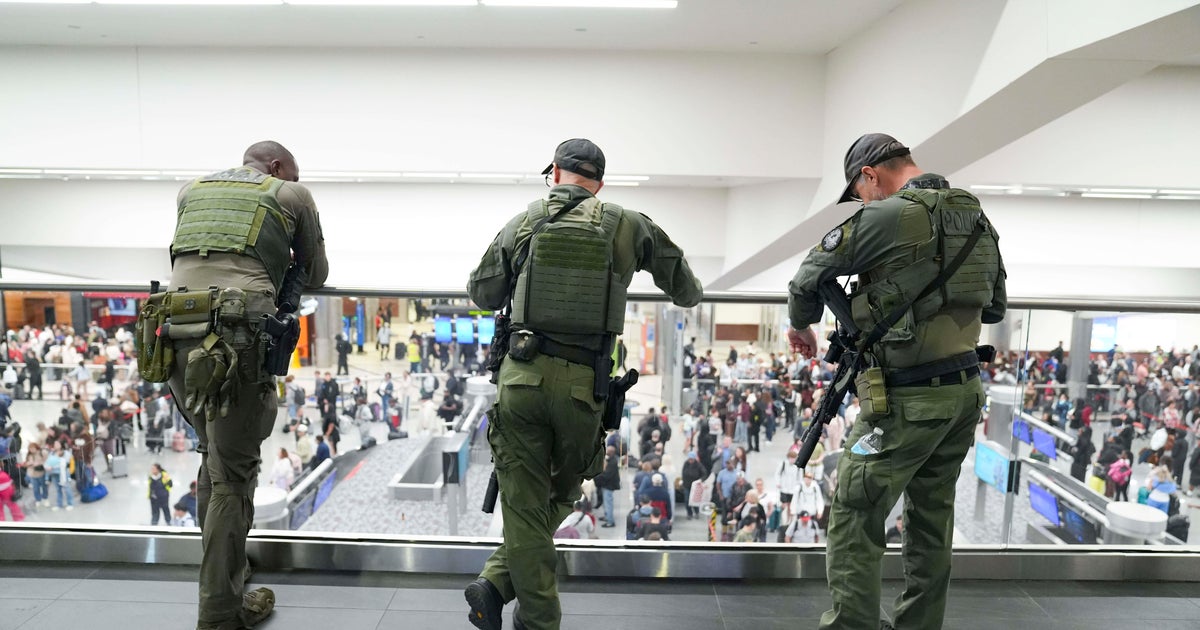
- ICE agents have been deployed to 14 major U.S. airports to assist with crowd control amid severe TSA staffing shortages caused by the ongoing government shutdown, but they are not trained to perform security screenings.
- Travelers face extensive delays, with wait times up to six hours, leading to mixed reactions about ICE’s presence; TSA unions criticize the deployment, emphasizing the specialized training TSA officers receive.
- The deployment has heightened political tensions, drawing criticism from civil rights groups and officials who urge Congress to restore TSA funding, while President Trump considers further measures like calling in the National Guard.
As the partial government shutdown continues into its third week, Immigration and Customs Enforcement (ICE) agents have been deployed to assist at several major U.S. airports facing severe Transportation Security Administration (TSA) staffing shortages. The shutdown, which has left TSA officers unpaid since mid-February, has resulted in a significant increase in callouts and resignations, leading to prolonged security wait times and operational challenges at airports nationwide.
According to White House border czar Tom Homan, ICE agents are currently stationed at 14 airports, including Atlanta’s Hartsfield-Jackson International Airport, Chicago O’Hare, New York’s John F. Kennedy International Airport, and Houston’s George Bush Intercontinental Airport. Homan emphasized that the agents’ primary role is to support TSA officers by managing crowd control and facilitating the flow of passengers through security lines, rather than conducting security screenings. He noted that ICE personnel, like other law enforcement officers, are authorized to intervene if they observe criminal activity. However, ICE agents are not trained to operate screening equipment such as magnetometers or X-ray machines, which remain under TSA’s purview.
The deployment comes amid reports of extensive delays at airports, with some travelers experiencing wait times of up to six hours. At Hartsfield-Jackson, the nation’s busiest airport, passengers were advised to arrive four hours before their flights, yet many still missed departures due to long lines. Travelers expressed mixed reactions to the presence of ICE agents; some welcomed the additional personnel, while others questioned their effectiveness compared to trained TSA staff. The American Federation of Government Employees, representing TSA officers, criticized the move, highlighting that TSA personnel undergo specialized training that ICE agents lack. Everett Kelly, the union president, stated, “They deserve to be paid, not replaced by untrained, armed agents who have shown how dangerous they can be.”
The situation has intensified political tensions surrounding the ongoing shutdown, which stems from a stalemate over Department of Homeland Security (DHS) funding and immigration policy. President Donald Trump announced the ICE deployment on social media and indicated that if the situation worsens, he might call in the National Guard. Trump also requested that ICE agents refrain from wearing masks at airports, despite supporting mask use during immigration enforcement duties. Critics, including the American Civil Liberties Union and several Democratic officials, have expressed concern that the presence of armed ICE agents could create fear and confusion among travelers. Illinois Governor J.B. Pritzker’s spokesperson condemned the deployment as exacerbating the crisis rather than resolving it, urging Congress to pass legislation to restore TSA funding and staffing.
In addition to ICE, other Department of Homeland Security personnel have been assisting at airports to mitigate the impact of TSA shortages. Customs and Border Protection officers, who regularly operate at airports to screen arrivals and cargo, continue their duties alongside the newly deployed ICE agents. As the shutdown persists, airports across the country remain under strain, with travelers facing uncertainty and extended delays as political negotiations over DHS funding continue without resolution.




Be First to Comment