Key takeaways:
- Kharg Island is a crucial oil export terminal for Iran, handling up to 95% of its crude oil exports and located near the strategic Strait of Hormuz, through which about 20% of the world’s oil supply passes.
- The U.S. conducted precision strikes on Kharg Island’s military sites, avoiding damage to oil infrastructure to prevent long-term disruption, while warning Iran against interfering with maritime passage through the Strait of Hormuz.
- President Trump stated he is not ready to negotiate with Iran without full nuclear abandonment, highlighted international coordination to secure the Strait of Hormuz, and noted escalating regional tensions involving military actions and threats to close the strait.
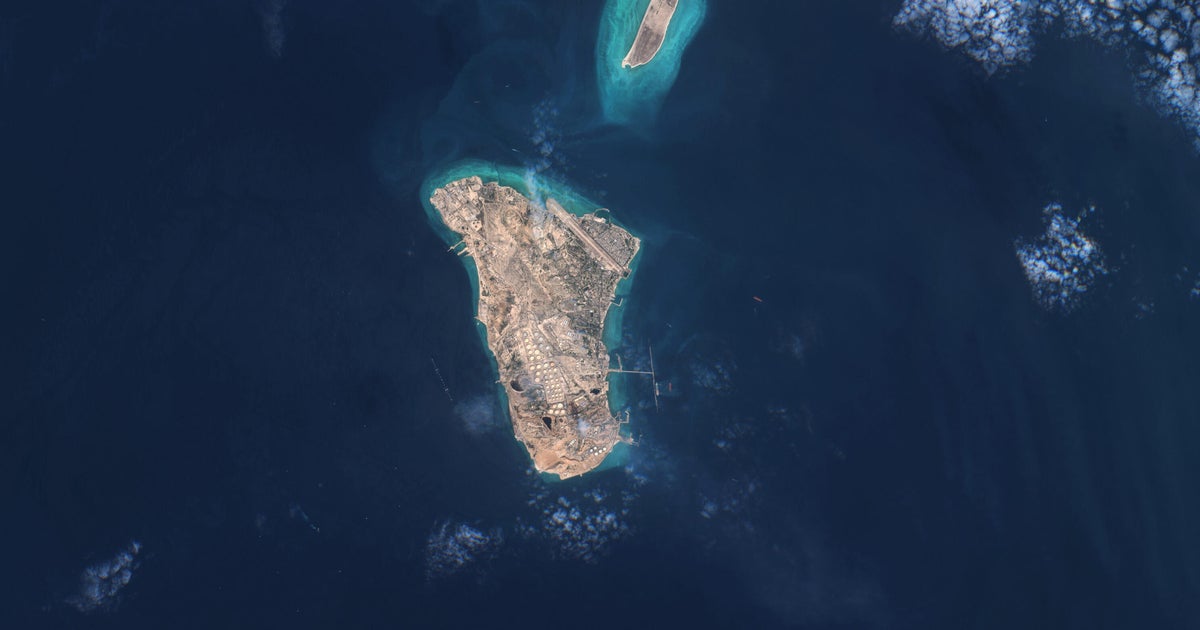
Kharg Island, a small but strategically significant island located approximately 20 miles off Iran’s northern Gulf coast, has recently come under intense focus following U.S. military strikes. The island serves as Iran’s primary oil export terminal, historically handling between 85% and 95% of the country’s crude oil exports. Tankers load oil on Kharg Island before navigating through the Persian Gulf and the Strait of Hormuz, a critical maritime chokepoint through which about 20% of the world’s oil supply passes. Disruption to Kharg’s oil infrastructure could severely impact Iran’s ability to export oil and, by extension, its economic stability.
The U.S. military conducted precision strikes on Kharg Island, targeting approximately 90 military sites while reportedly sparing the oil export facilities. President Donald Trump stated that the strikes “totally demolished” most of the island’s military targets but avoided damaging the energy infrastructure to prevent long-term disruption. He warned Iran that any interference with the free passage of ships through the Strait of Hormuz would prompt a reconsideration of this restraint. The island has been heavily fortified by Iran since the 1980s, following repeated attacks during the Iran-Iraq War, with air defenses, hardened infrastructure, and underground storage designed to maintain oil exports even under attack.
In a recent interview, President Trump indicated that he is not yet ready to negotiate an end to the ongoing conflict with Iran, citing unsatisfactory terms. He emphasized that any agreement would require Iran to fully abandon its nuclear ambitions but declined to specify further details. Trump also revealed that the United States is coordinating with other nations affected by Iran’s actions to secure the Strait of Hormuz, though he did not name specific countries. He mentioned that several nations have expressed support for this initiative and may send warships to help keep the vital shipping lane open and safe amid rising global oil prices.
The conflict has escalated tensions in the region, with Iran vowing to keep the Strait of Hormuz closed and calling for higher oil prices. The U.S. and Israel have launched joint military operations against Iran, resulting in casualties among U.S. service members and ongoing retaliatory strikes. Trump also questioned the status of Iran’s new supreme leader, Mojtaba Khamenei, noting the leader’s absence from public view following his appointment. As the situation develops, the strategic importance of Kharg Island and the Strait of Hormuz remains central to the geopolitical and economic dynamics in the Gulf region.


Be First to Comment