
Key takeaways:
- The International Energy Agency (IEA) announced a historic release of 400 million barrels of oil from emergency reserves to counter supply disruptions caused by the closure of the Strait of Hormuz amid tensions involving Iran.
- The release aims to alleviate soaring energy prices, which have surged due to blocked tanker traffic and military threats in the region, though market impact may be limited due to the scale of the shortfall and logistical delays.
- The IEA’s coordinated action involves 32 member countries, but China, a major oil reserve holder, has not yet committed to releasing stockpiles; long-term price stability depends on reopening the Strait of Hormuz and restoring safe oil transit routes.
The International Energy Agency (IEA) announced on Wednesday a historic decision to release 400 million barrels of oil from emergency reserves in an effort to alleviate soaring energy prices caused by the ongoing conflict involving Iran. This release marks the largest collective action ever undertaken by the IEA, which comprises 32 member countries including the United States, Britain, Japan, Germany, and Canada. The move aims to offset the significant supply disruptions resulting from the effective closure of the Strait of Hormuz, a crucial maritime chokepoint through which approximately 20 million barrels of oil transit daily—about one-fifth of the global oil supply.
IEA Executive Director Fatih Birol emphasized the unprecedented scale of the current oil market challenges, stating, “I am very glad that IEA Member countries have responded with an emergency collective action of unprecedented size.” However, the agency has not yet provided a definitive timeline for the release, noting that further details on implementation will be announced in due course. The U.S. Energy Department holds more than 415 million barrels in its strategic petroleum reserve, while other member countries in Europe and Asia maintain additional stockpiles, collectively exceeding 1.2 billion barrels.
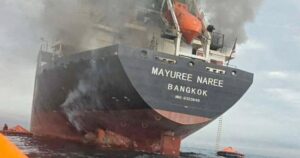
The release comes amid heightened tensions in the Strait of Hormuz, where military threats from Iran have effectively blocked tanker traffic. The United Kingdom’s maritime trade monitoring agency reported at least three vessels struck by projectiles in the region on Wednesday, prompting insurers, oil companies, and cargo firms to reduce operations there. This disruption has contributed to a sharp rise in energy prices over the past two weeks, with U.S. crude oil prices increasing more than 25% since the conflict began. Retail gasoline prices have also climbed, reaching a national average of approximately $3.57 per gallon, alongside significant jumps in natural gas, jet fuel, and international oil benchmarks.
Despite the announcement, market reactions were muted, with U.S. crude oil prices falling only slightly to around $84 per barrel. Analysts caution that while the release may provide some initial relief, it is unlikely to fully offset the current shortfall of roughly 16 million barrels per day caused by the Strait’s closure. JPMorgan Chase commodities analysts noted that emergency releases historically peak at about 1.4 million barrels per day, which would not materially ease the supply deficit. Additionally, logistical factors such as the time required to mobilize and ship the reserves—typically around two weeks—mean that any impact on prices may be delayed. The IEA and market observers also highlight that sustained price stability depends on the reopening of the Strait of Hormuz to ensure safe passage for oil shipments.
China, which is not an IEA member but holds significant oil reserves estimated between 1.1 and 1.4 billion barrels, has not yet indicated whether it will join in releasing stockpiles. The global oil market remains closely watched as the situation develops, with the IEA underscoring the importance of maintaining energy security and the need for long-term solutions to restore supply routes in the Middle East. This release follows previous emergency actions, such as the 180 million barrels deployed in 2022 in response to Russia’s invasion of Ukraine, reflecting the IEA’s role in coordinating multinational responses to major energy disruptions.



Be First to Comment