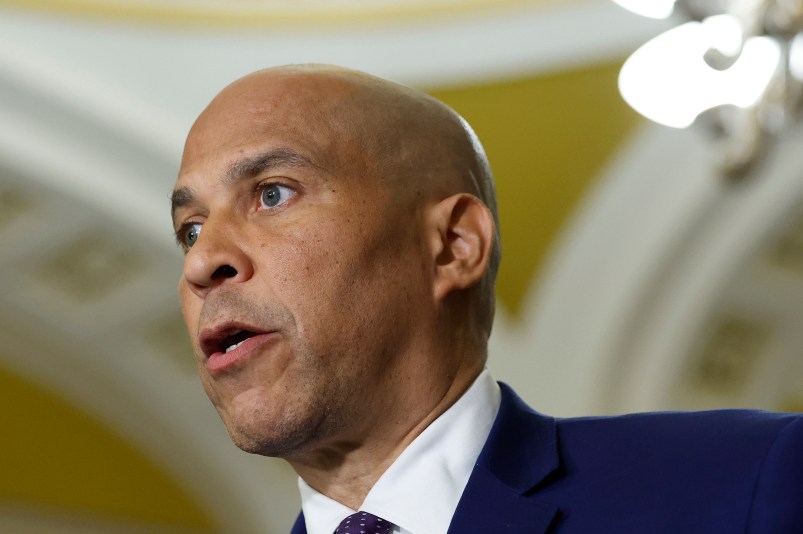
Senator Cory Booker of New Jersey set a new record for the longest speech in U.S. Senate history, speaking for over 24 hours as a protest against the Trump administration's policies. Unlike a traditional filibuster, Booker's marathon address was not intended to block specific legislation but served as a symbolic gesture of opposition. His speech highlighted both his personal and political motivations, drawing attention to the use of extended speeches in the Senate as a means of expressing dedication to democratic engagement.
Posts tagged as “Title VII of the Civil Rights Act”
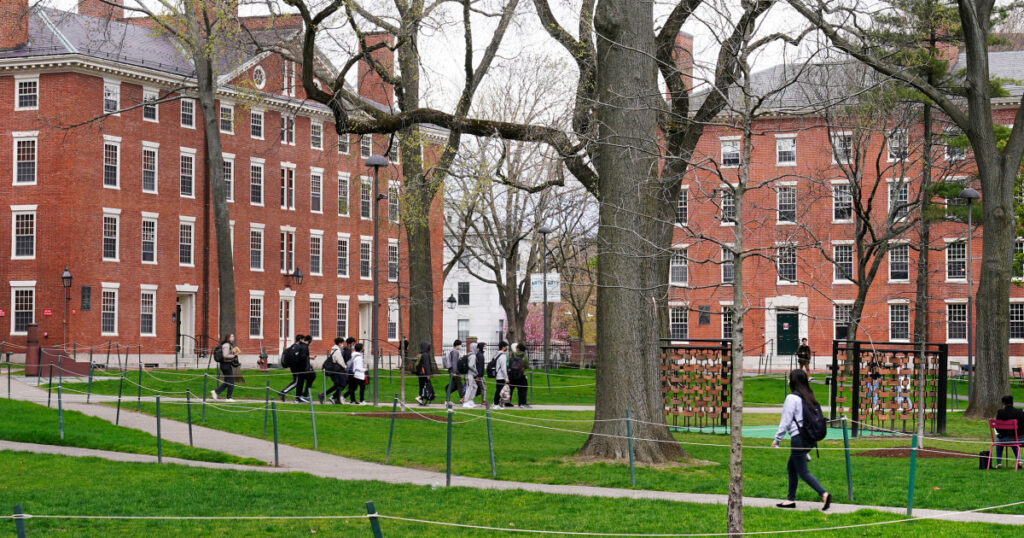
The Department of Education has opened an investigation into Harvard University's admissions process following a complaint from advocacy groups alleging that the school's use of legacy admissions violates federal civil rights law. The complaint accuses Harvard of giving preferential treatment to applicants with familial ties to wealthy donors and alumni, and if the Office for Civil Rights finds Harvard in violation of Title VI, the school could be required to make changes to its admissions process. The investigation is the latest development in the legal battle over U.S. college admissions and could have far-reaching implications for the admissions process at Harvard and other universities.
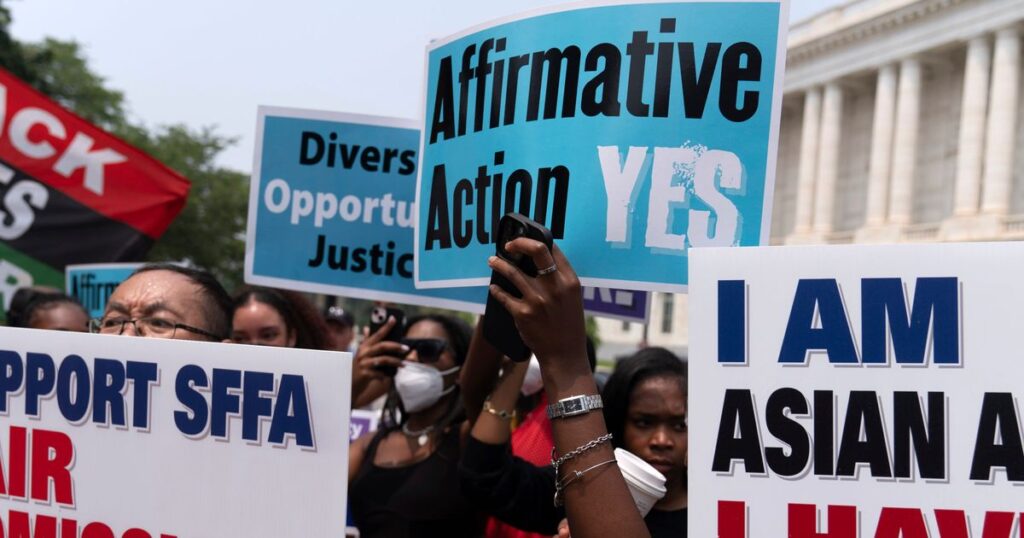
Lawyers for Civil Rights is challenging Harvard University's legacy admissions policy, alleging that it discriminates against students of color. The suit claims that the policy violates the Civil Rights Act and gives an unfair boost to mostly white children of alumni. The case is a response to the Supreme Court's decision to end affirmative action in college admissions, and could have a significant impact on the admissions process at Harvard and other universities.

The Supreme Court has issued a unanimous decision in Groff v. DeJoy, setting aside the "de minimis" standard set more than 45 years ago and laying out a "clarified standard" for lower courts to apply when determining when an employee's proposed religious accommodation imposes an undue hardship on the employer's business. This decision is a major victory for workers seeking religious accommodations from their employers, and could have far-reaching implications for how employers handle such requests in the future.
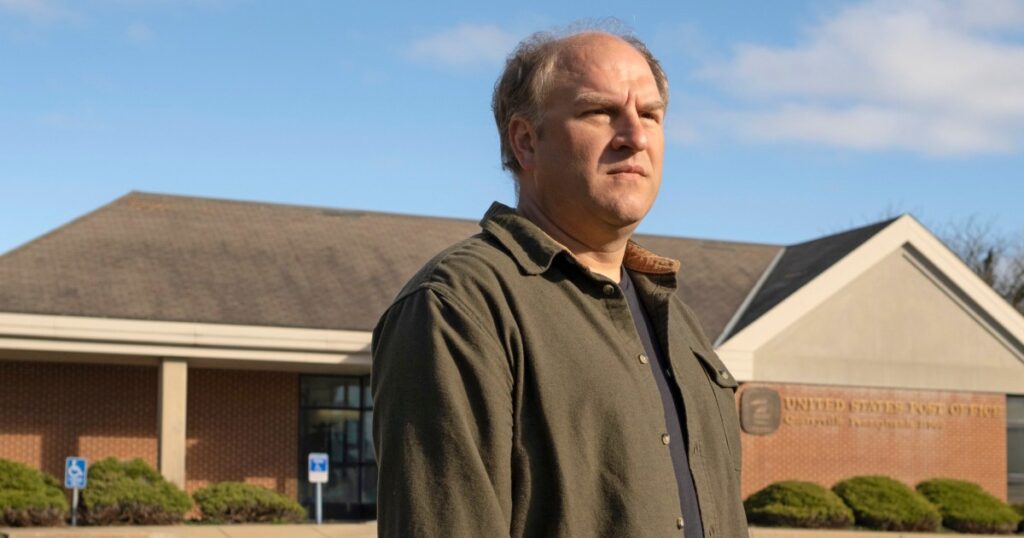
The Supreme Court is set to consider a case involving a Christian former postal worker who claims the U.S. Postal Service violated a federal civil rights law by failing to accommodate his religious beliefs. The outcome of the case could have a major impact on how employers accommodate the religious practices of their workers, and is being closely watched by religious groups and civil rights advocates alike. The court's decision could also set a precedent for how religious claims are handled in the future.