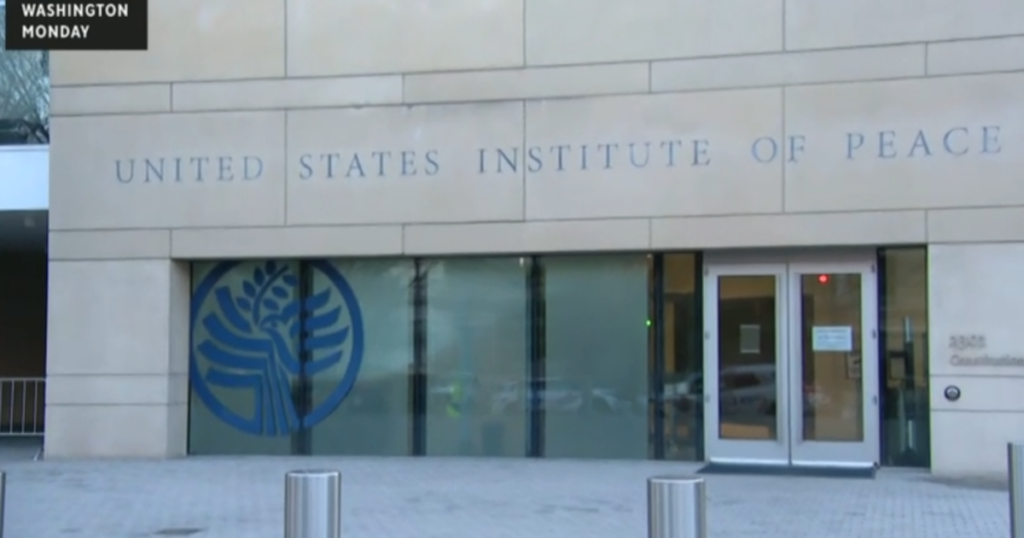
Recent developments at the U.S. Institute of Peace have revealed complex issues involving power dynamics and governance, following the involvement of the DC Metropolitan Police Department and the alleged new directors. U.S. District Judge Beryl Howell is considering nullifying the removal of board members after the White House Presidential Personnel Office issued termination notices, amid broader challenges to the White House Department of Government Efficiency's attempts to control the nonprofit. Despite ongoing legal challenges, a federal judge has declined to halt the White House's takeover efforts, drawing attention to potential abuses of power and raising questions about the Institute's governance.
Posts tagged as “the White House Presidential Personnel Office”
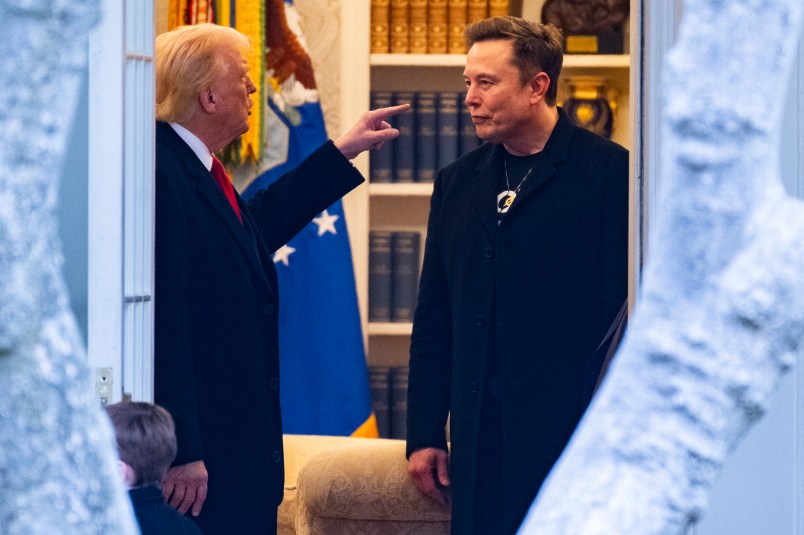
U.S. District Judge Beryl Howell ruled against the immediate reinstatement of several board members dismissed from the U.S. Institute of Peace, despite expressing disapproval of the White House Department of Government Efficiency's approach. The case centers on the unique status of the Institute as an independent charitable corporation established by Congress, with Judge Howell citing legal precedent and determining that the board members were unlikely to succeed on the merits of their case. The controversy, sparked by termination notices sent by the White House under the Trump administration, underscores ongoing tensions between the executive branch and independent agencies, with potential implications for governance and executive power.
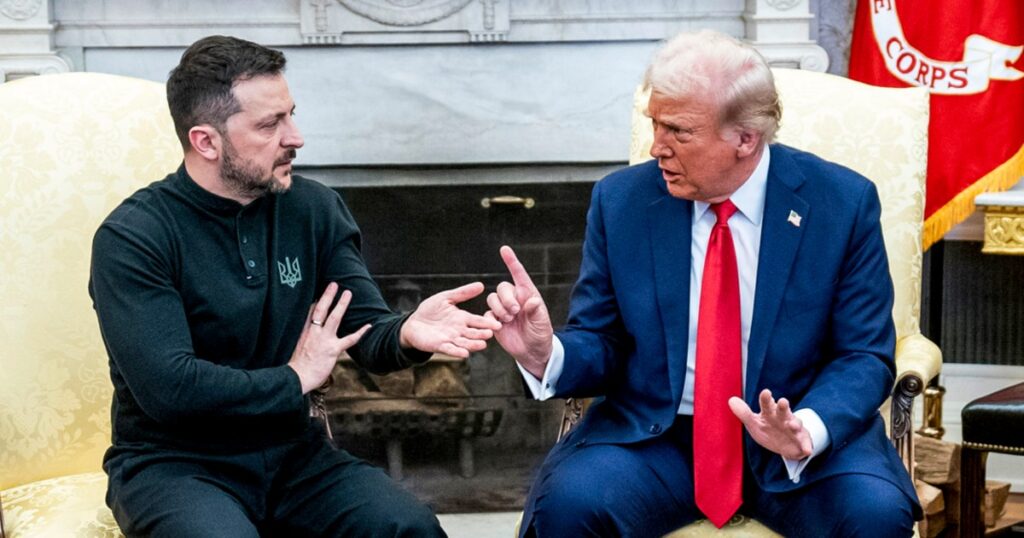
The Trump administration's attempt to replace the board of the U.S. African Development Foundation (USADF) with the help of Elon Musk's DOGE team has been deemed unlawful by legal experts and is part of a broader strategy to centralize authority over independent agencies. This move has faced significant opposition from judges and international leaders, who argue that it disrupts established global norms and bypasses traditional checks and balances. The situation highlights ongoing tensions between the administration and independent agencies, with legal experts warning that such actions could undermine the Senate's constitutional role in appointments.