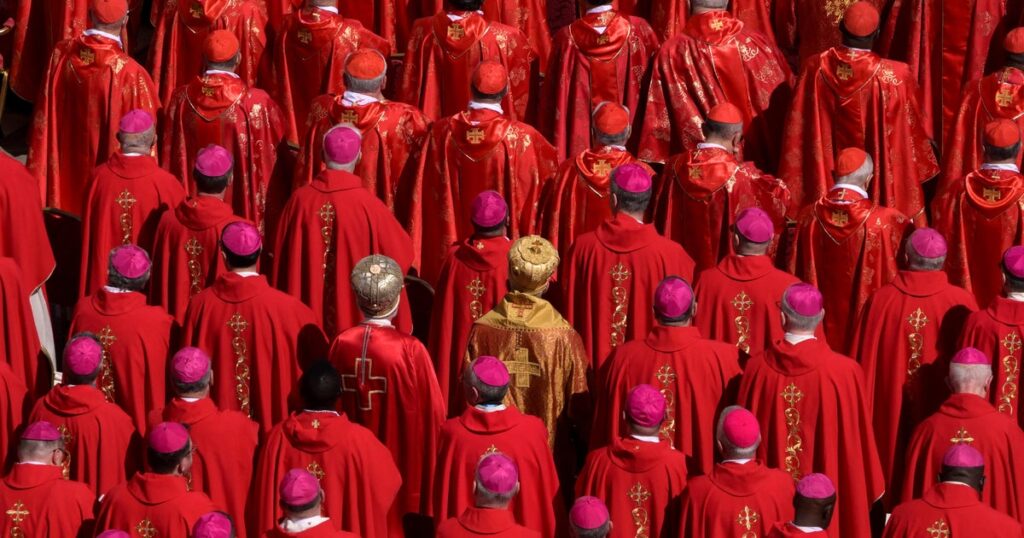
The funeral of Pope Francis at St. Peter's Square in Vatican City was attended by a large gathering of dignitaries, religious leaders, and followers, highlighting his dedication to the poor and marginalized communities. Cardinal Giovanni Battista Re delivered a homily emphasizing Pope Francis' message of "Build bridges, not walls," reflecting his commitment to fostering connections and peace. The ceremony underscored Pope Francis' legacy, particularly his advocacy for refugees and displaced persons, and served as a reminder of his enduring influence on global issues.
Posts tagged as “the Vatican Grottoes”
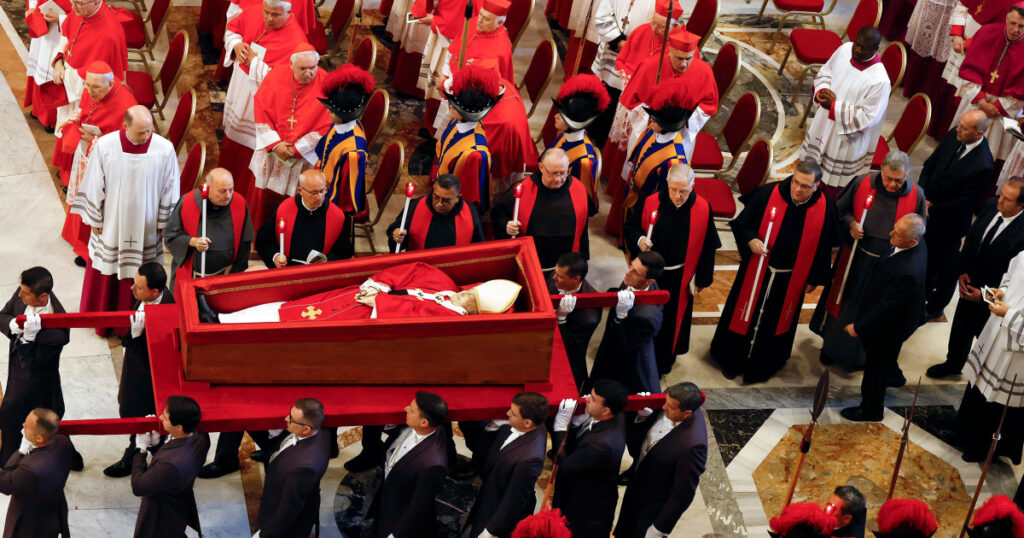
Pope Francis's funeral took place outside St. Peter's Basilica at the Vatican, following the traditional papal funeral rites and was presided over by Cardinal Giovanni Battista Re. The event attracted numerous world leaders, including former U.S. President Donald Trump, and filled St. Peter's Square to its capacity of 50,000 people. The ceremony, which included personal touches chosen by Pope Francis, was broadcast live globally, allowing people worldwide to participate in this significant moment for the Catholic Church.
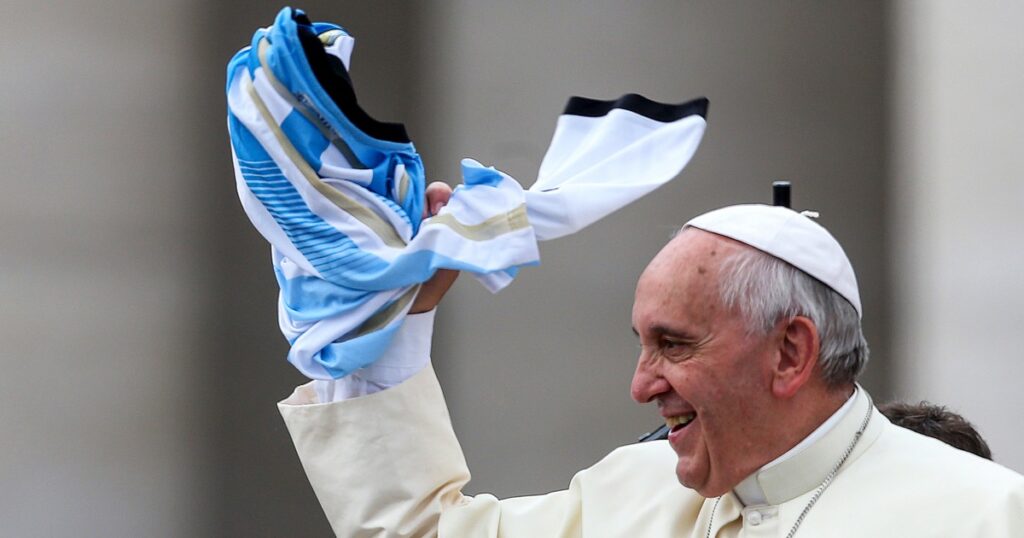
Pope Francis, the 266th pope of the Roman Catholic Church, passed away at the age of 88, prompting global mourning and reflection on his impactful papacy. Known for his approachable demeanor and progressive views, he was celebrated for his efforts to connect with people worldwide, notably through his passion for soccer, which he used as a tool to engage with youth and promote unity. As the Church prepares to select a new leader, there is speculation about the influence of his legacy, marked by a focus on inclusivity, social issues, and modernization, on the future direction of the papacy.
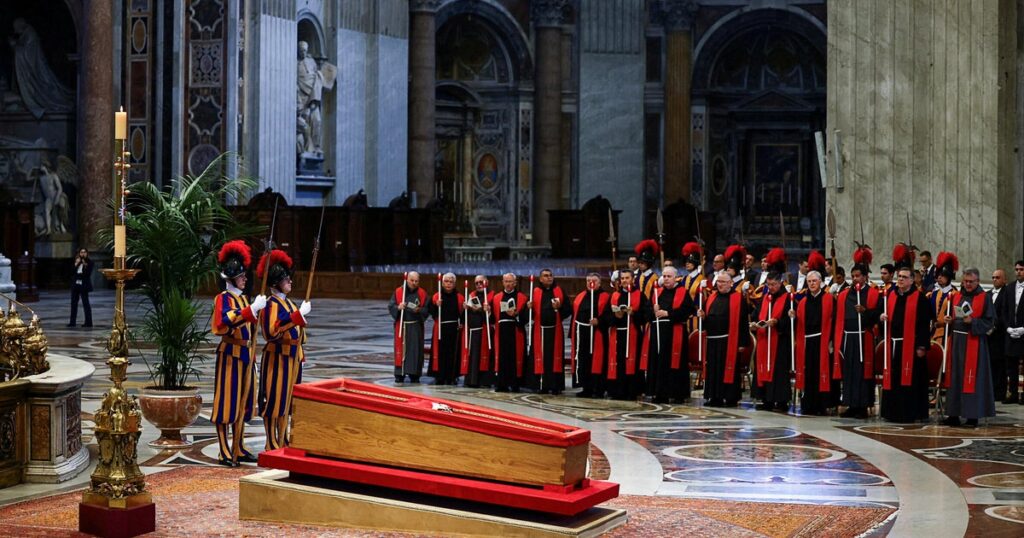
Pope Francis's body was transported to St. Peter's Basilica, where it will lie in state for three days, allowing the Catholic faithful to pay their final respects. The Argentine pontiff, known for his humility and dedication to social justice, drew a significant number of mourners, with many gathering in St. Peter's Square and around its barriers to honor him. The event has garnered attention from local and international communities, underscoring Pope Francis's global influence and the Vatican's recognition of his impactful papacy.
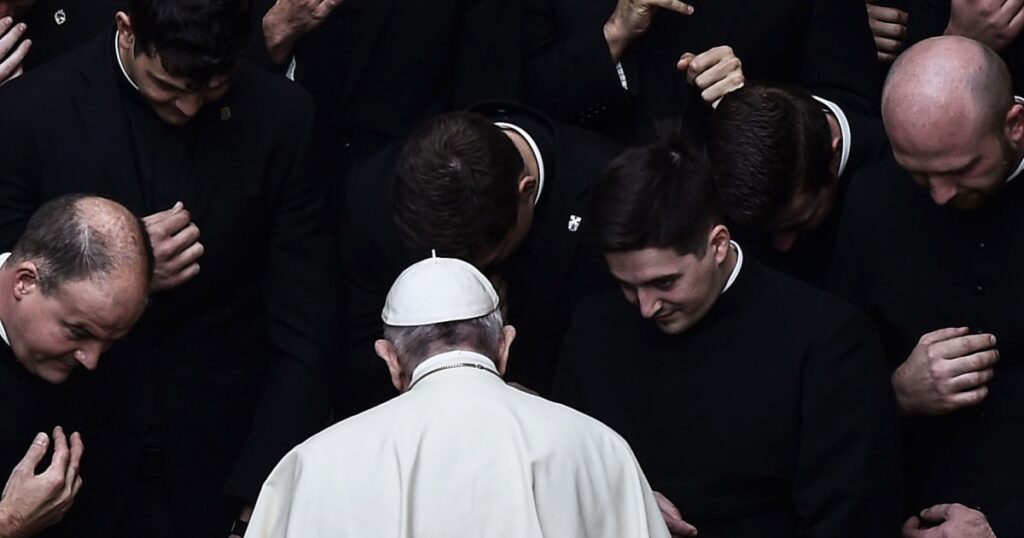
The passing of Pope Francis, the first Argentine pope, has initiated the ancient rituals and traditions of the Roman Catholic Church, as outlined in the "Ordo exsequiarum Romani pontificis," marking the transition to new papal leadership. These time-honored customs, including the camerlengo's ceremonial role and the conclave of 135 Cardinal Electors in the Sistine Chapel, ensure both the honoring of the deceased pope and the continuity of Church leadership. The conclave, conducted in secrecy, is a pivotal event that determines the future direction of the Church, influencing Catholics worldwide.
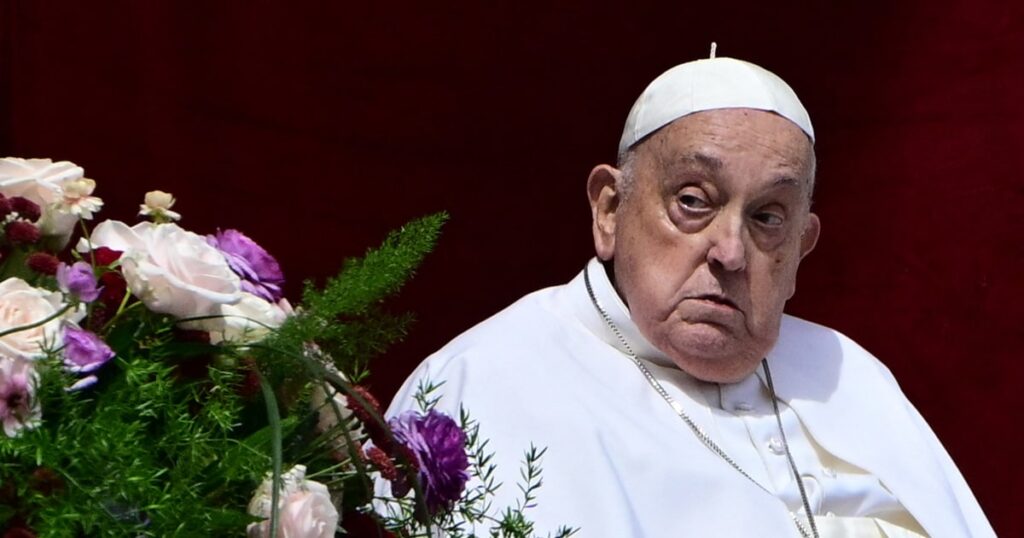
Pope Francis, the 266th pontiff of the Roman Catholic Church and the first from the Americas, passed away on April 21 at the age of 88, prompting a global outpouring of tributes. Known as the "People's Pope," his leadership emphasized humility, social justice, and outreach to marginalized communities, leaving a lasting impact on the church and its followers. In response to his death, many individuals, including world leaders and devoted Catholics, have expressed their condolences and traveled to the Vatican to pay their respects.
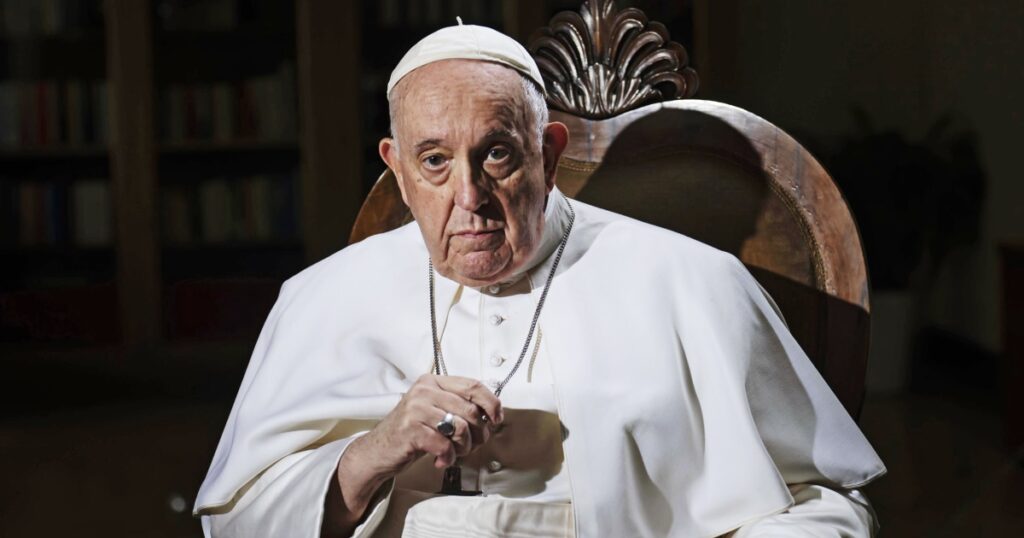
Pope Francis, the 266th pontiff of the Roman Catholic Church, has died at the age of 88, as confirmed by the Vatican. Known for his progressive approach, he worked to bridge gaps within the Church and society, reaching out to marginalized communities and marking a shift in the Church's traditional stance. His tenure was characterized by efforts to reshape the Church's image through compassion and inclusivity, leaving a legacy of striving for a more inclusive global community.
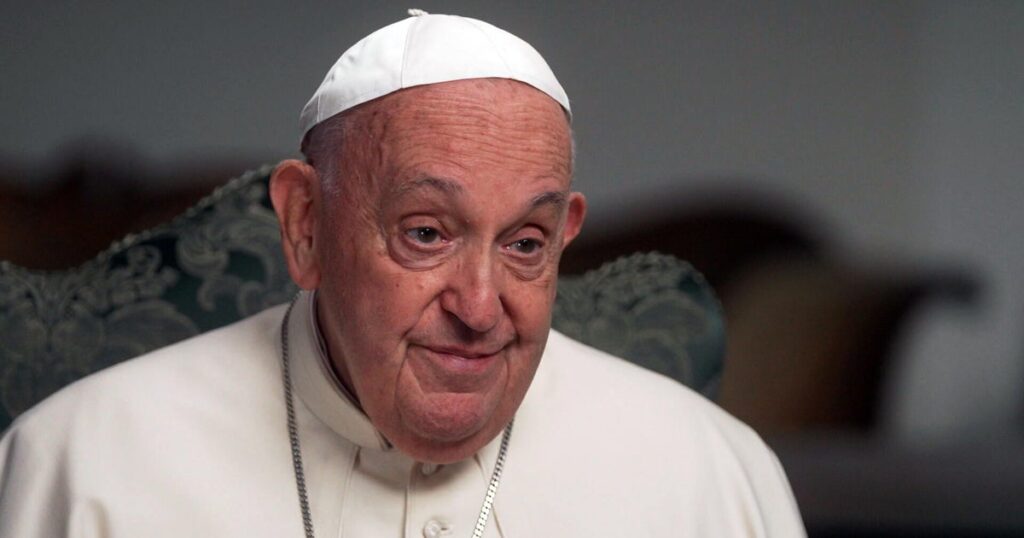
Pope Francis, known for his efforts to modernize the Catholic Church and challenge traditional norms, has passed away at the age of 88, with his death confirmed by the Vatican. Throughout his papacy, he brought a unique perspective influenced by his diverse background, and he was recognized for confronting conservative elements within the Church while emphasizing the importance of addressing the needs of the marginalized. Despite facing controversy, such as his initial handling of abuse allegations in Chile, his legacy is marked by a commitment to change and inclusivity within the Church.