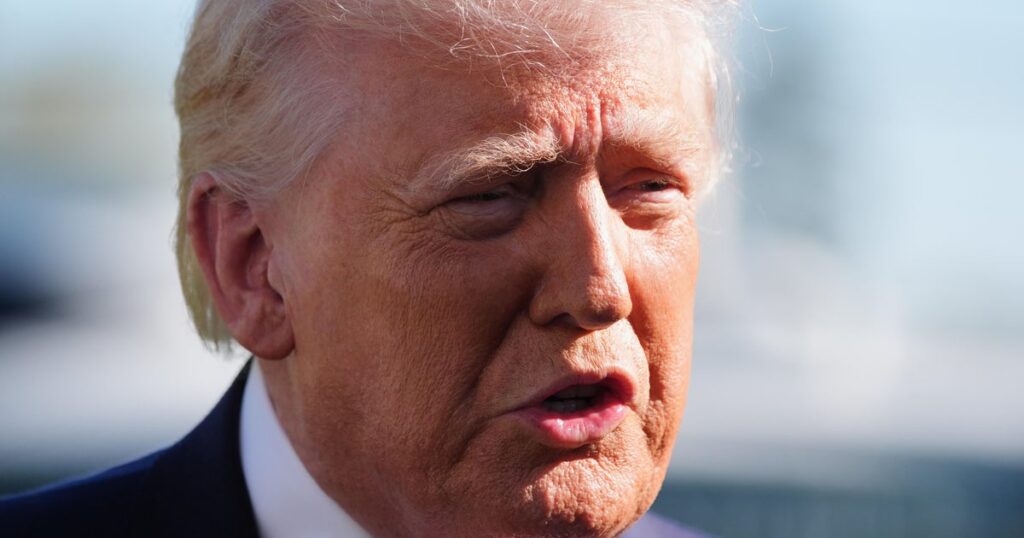
The U.S. will begin blockading ships entering and exiting Iranian ports in the Strait of Hormuz on Monday, escalating tensions after failed peace talks with Iran. The move has sent oil prices soaring and drawn mixed responses from international allies.
Posts tagged as “the U.S. Navy”

NASA's Artemis II astronauts safely return to Earth after a historic 10-day mission orbiting the moon, setting a new distance record and capturing rare images of the lunar far side. The mission marks the first crewed lunar flight in over 50 years and paves the way for future moon landings.
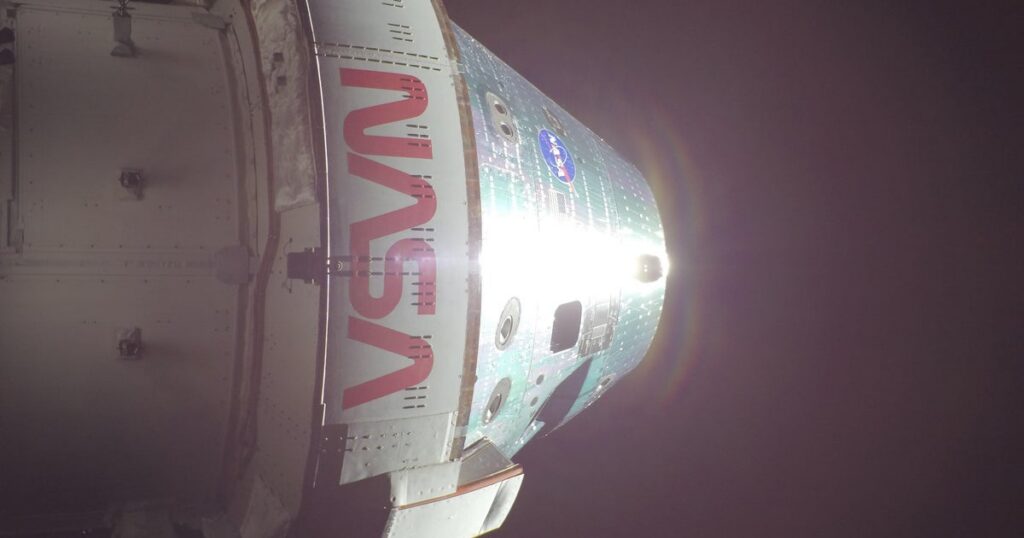
NASA's Artemis II astronauts prepare for a critical reentry into Earth's atmosphere, relying on a modified heat shield trajectory after damage was found on the previous mission's shield. The capsule will splash down in the Pacific Ocean Friday evening.
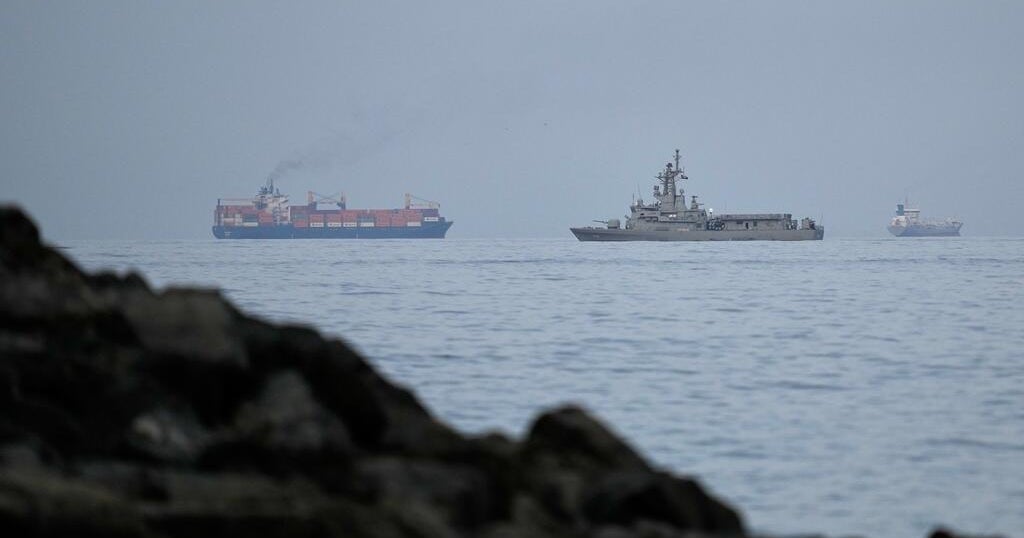
The Trump administration is considering a military operation to escort oil tankers through the Strait of Hormuz following a series of attacks on vessels in the Persian Gulf, which have disrupted global oil shipments and driven up prices. The proposed operation involves neutralizing Iranian threats through strikes on missile and drone facilities before providing convoy protection with U.S. Navy ships and international partners, amid ongoing drone attacks by Iran targeting U.S. bases and regional infrastructure. As the conflict escalates, the U.S. and allies are working to secure critical maritime routes and counter Iran’s advanced drone warfare capabilities in a highly volatile environment.
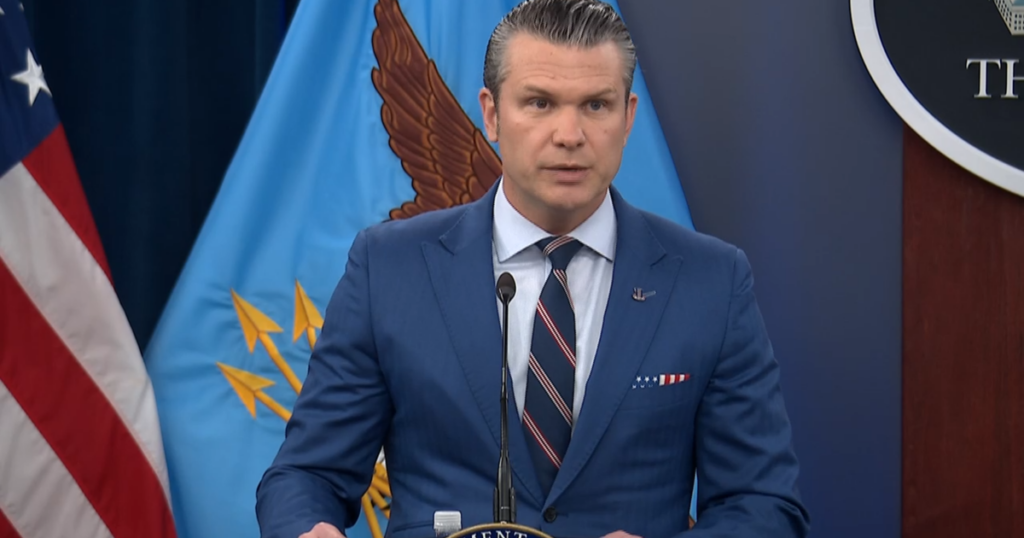
The Pentagon provided updates on the U.S.-Iran conflict, reporting a significant reduction in Iran’s missile capabilities and ongoing investigations into a recent U.S. tanker crash in Iraq. Despite extensive U.S. strikes on Iranian targets, Iranian attacks continue, impacting global oil prices and prompting temporary easing of sanctions on Russian oil to stabilize markets. Public opinion remains divided over the conflict, with mixed messaging from U.S. officials and Iran asserting its intent to control the Strait of Hormuz and sustain attacks in the region.
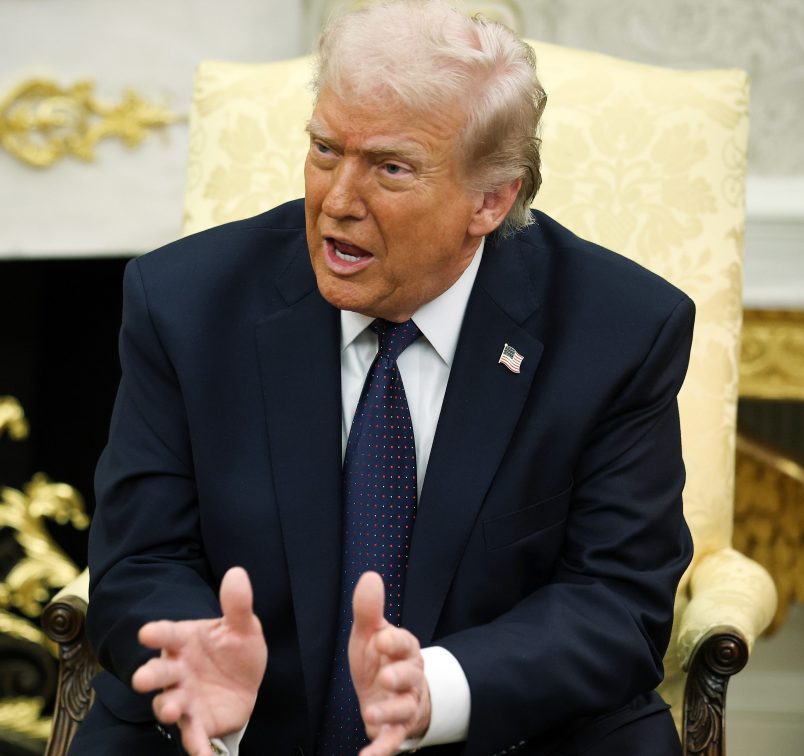
The conflict involving Iran in the Middle East has intensified over nearly two weeks, marked by a tragic U.S. military aircraft crash in Iraq, persistent Iranian drone and missile attacks on Gulf allies, and rising tensions fueled by President Trump’s aggressive rhetoric. These attacks have disrupted critical shipping routes like the Strait of Hormuz, prompting discussions of U.S. naval escorts to protect oil tankers amid soaring global energy prices. Meanwhile, Iran’s internal crackdown on protests and calls from international leaders for regime change highlight the multifaceted and volatile nature of the ongoing crisis.
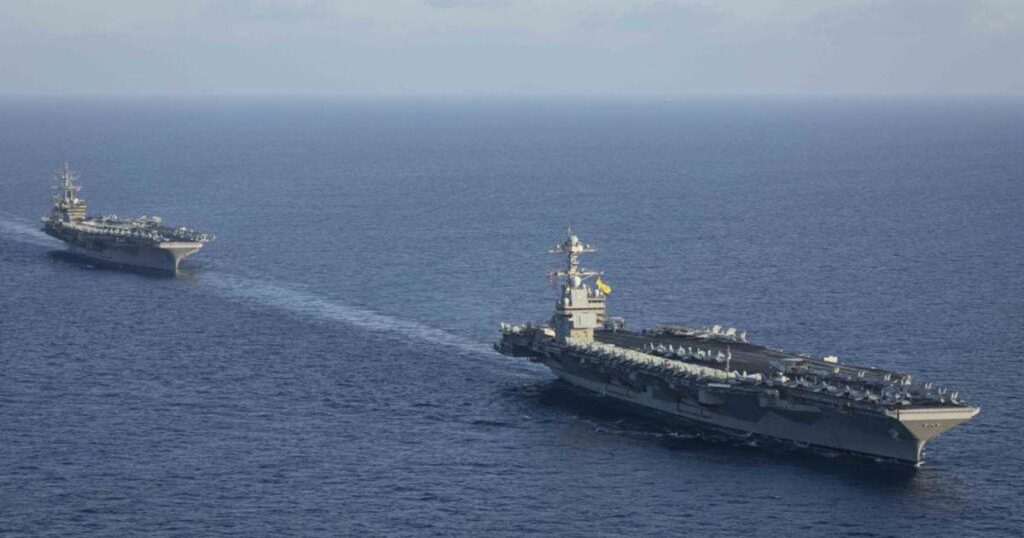
The U.S. Navy has been working to protect commercial vessels in the Red Sea from Houthi attacks since 2019. The USS Gerald R. Ford aircraft carrier strike group was deployed to the eastern Mediterranean Sea in October to provide protection for Israel, and is now returning home, leaving behind three ships and 2,000 Marines to continue providing regional deterrence and defense. The Navy has also been providing training and assistance to local navies to help them better protect their waters from Houthi attacks.
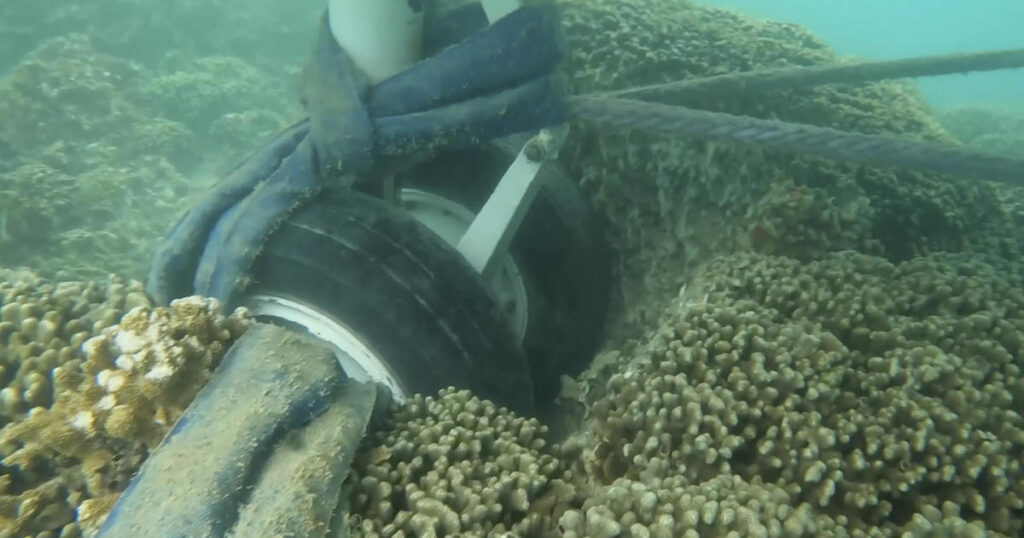
U.S. Navy has released video footage of a P-8A Poseidon surveillance plane that overshot a runway in Hawaii and landed in Kaneohe Bay, with no injuries to the passengers on board. The footage shows two points of contact the aircraft has with the coral and the remainder of the aircraft floating above. The Navy is currently working on developing a plan to remove the plane from the water and conducting an investigation to determine the cause of the overshoot.