
A remedy hearing has begun in Washington, D.C., to determine penalties for Google following an August court ruling that found the company guilty of monopolistic practices by leveraging its market dominance to suppress competition. The hearing, which could last three weeks, may result in significant actions such as requiring Google to sell its Chrome web browser, potentially reshaping its parent company, Alphabet. This case is seen as pivotal for the future of the search market, with the U.S. Department of Justice advocating for increased competition and consumer choice, while Google faces potential existential threats to its business operations and market strategy.
Posts tagged as “the U.S. Department of Justice”
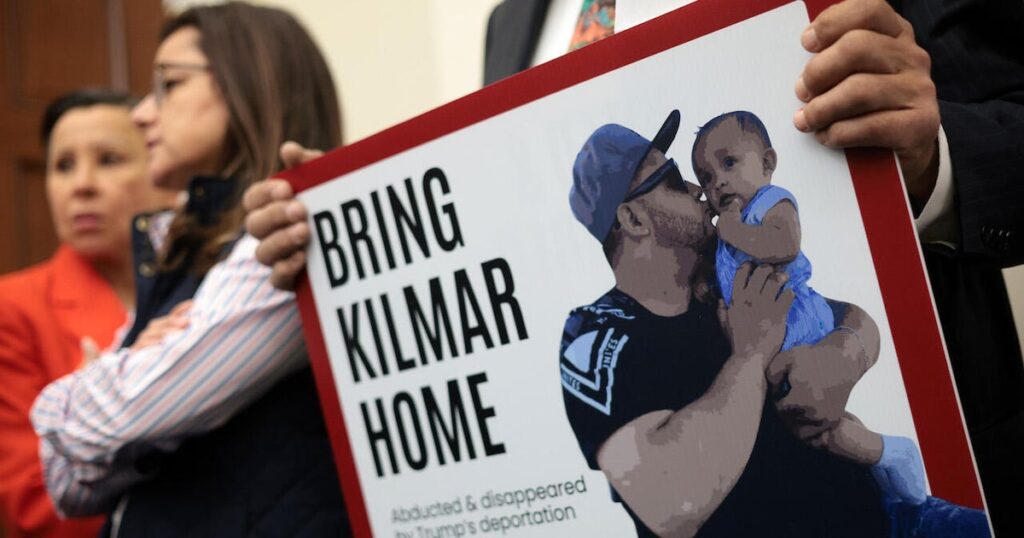
The case of Kilmer Abrego Garcia, a Maryland resident mistakenly deported to El Salvador, has gained significant attention following a Supreme Court ruling that mandates the U.S. government to facilitate his release from a Salvadoran prison. U.S. District Judge Paula Xinis has requested updates on his current status and the efforts made by the Justice Department to rectify the deportation error, including diplomatic communications with Salvadoran authorities. Senator Chris Van Hollen has been actively involved, expressing concern for Abrego Garcia's well-being and seeking to engage with Salvadoran President Nayib Bukele to expedite his return to the United States.
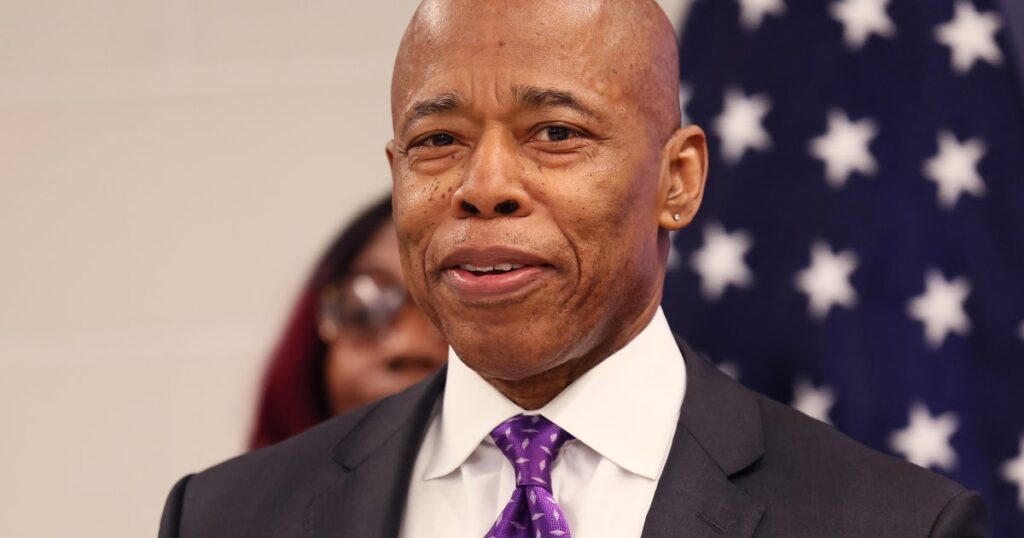
A federal judge has permanently dismissed corruption charges against New York City Mayor Eric Adams, concluding a significant legal chapter with a "with prejudice" ruling that prevents retrial on the same charges. Judge Dale Ho's decision aligns with arguments from Paul Clement, who emphasized the need to avoid any perception of ongoing political pressure on the mayor. This resolution allows Mayor Adams to continue his duties without the threat of legal proceedings, as neither the Department of Justice nor the mayor's office has commented on the outcome.
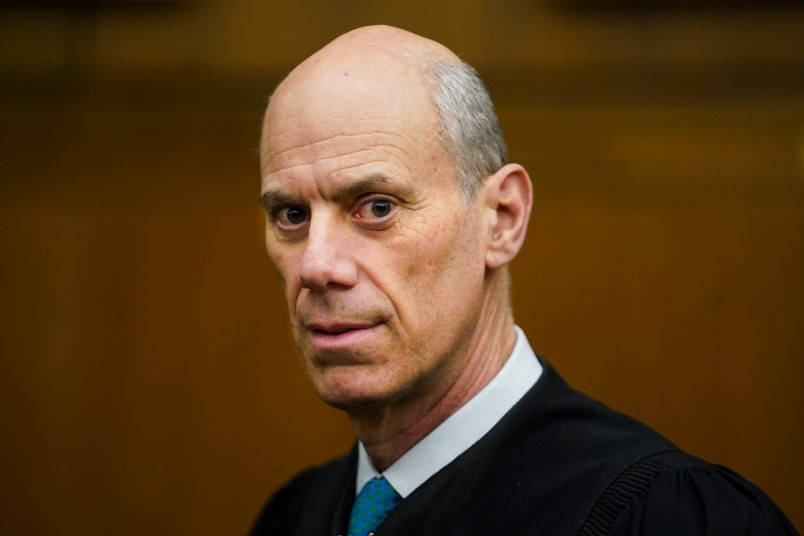
Tensions have risen between the U.S. Department of Justice and D.C. District Chief Judge James Boasberg over the disclosure of details about deportation flights conducted under the Trump administration's Alien Enemies Act. Judge Boasberg has requested specific information to assess compliance with a previous order, while the Justice Department argues that such demands interfere with executive functions and may invoke the state secrets privilege to withhold sensitive information. This legal dispute underscores the broader conflict between judicial oversight and executive authority in immigration enforcement, with potential implications for future interactions between these branches of government.
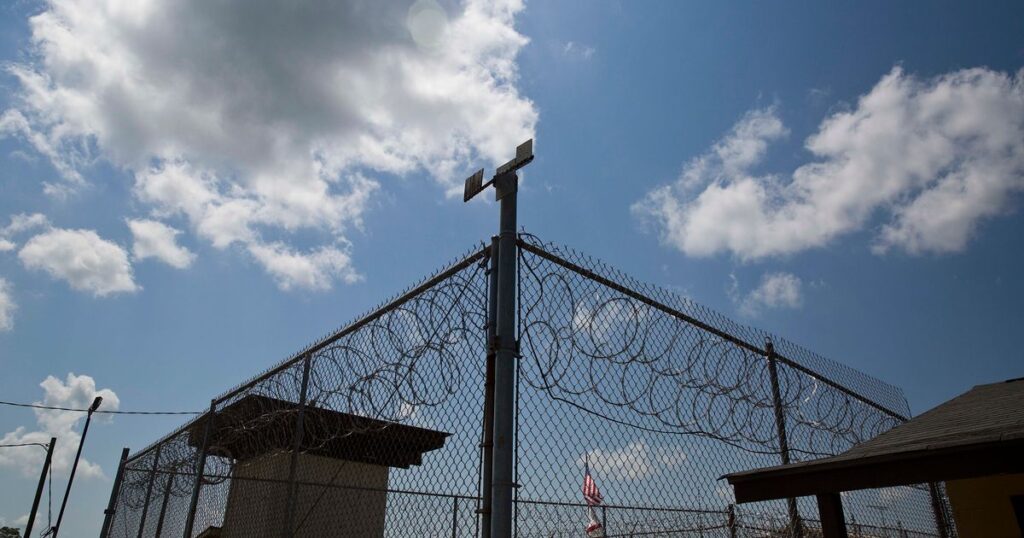
Current and former inmates in Alabama are suing the state and private companies for allegedly profiting from a "modern-day form of slavery" in the form of prison labor. The lawsuit claims that inmates are forced to work for little or no pay in inhumane conditions, and seeks to abolish the state's "captive labor source" and award damages to prisoners. The lawsuit comes at a time when the Alabama Department of Corrections is already facing scrutiny for its treatment of inmates, and highlights the need for reform in the prison system.
Victor Manuel Rocha, a former U.S. ambassador to Bolivia, was arrested on Monday for secretly working for Cuba since 1981 and providing information to the Cuban government. He faces a maximum penalty of 10 years in prison if convicted. The arrest is part of the U.S. government's efforts to combat foreign interference in the United States.

This article tells the story of Patrick Parker Walsh, a fraudster who used stolen COVID-19 relief funds to purchase Sweetheart Island, a two-acre uninhabited island off the coast of a small Gulf Coast town in Florida. Walsh is currently serving a five and a half year sentence in federal prison for his crime, and the Associated Press has documented the story. The article serves as a reminder of the consequences of pandemic-related fraud and the need for greater protection of public funds.

The U.S. Department of Justice has filed a lawsuit against SpaceX, accusing the company of "routine, widespread, and longstanding" discrimination against people with asylum or refugee status. The lawsuit seeks to end the alleged discrimination and provide monetary damages to those affected. SpaceX has yet to comment on the lawsuit, but has previously said that it complies with all applicable laws and regulations.