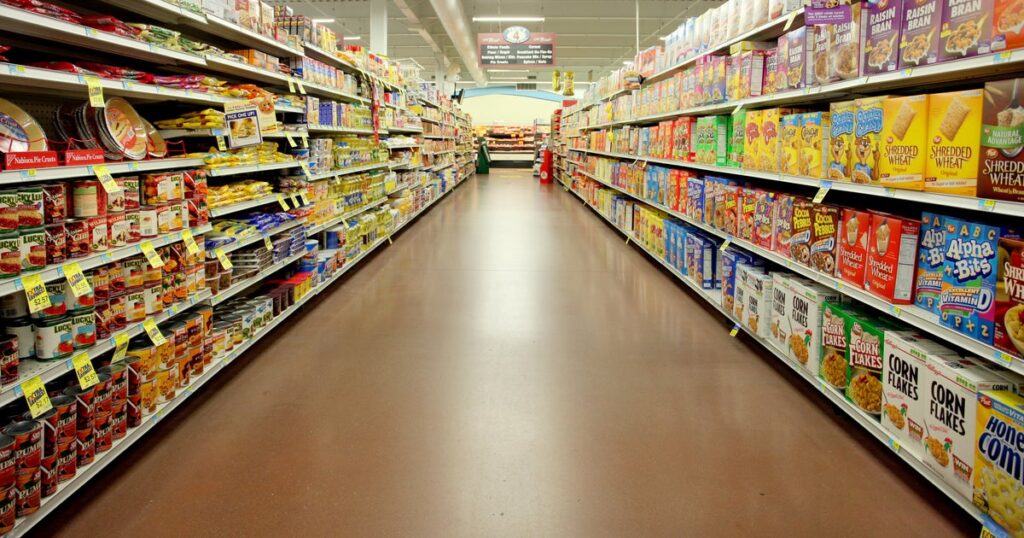
In March, the United States saw a slowdown in consumer price growth, with the Consumer Price Index rising by 2.4% annually, down from February's 2.8%, reflecting progress in the Federal Reserve's inflation reduction efforts. A significant drop in fuel prices, particularly gasoline, contributed to easing inflationary pressures, providing relief to consumers and supporting the trend of slowing inflation. The core inflation measure, excluding food and energy, rose by 2.8% over the past year, marking the smallest increase since March 2021, suggesting stabilizing underlying price pressures and offering optimism for policymakers.
Posts tagged as “the U.S. Bureau of Labor Statistic”

The U.S. Bureau of Labor Statistics released a report Tuesday showing that inflation eased in October, with prices remaining unchanged from September. Gasoline prices declined, helping to cool overall inflation, which was down from 3.7% in September to 3.2% compared to a year ago. The Federal Reserve's interest rate hikes are having a positive effect on consumer prices, providing good news for consumers.
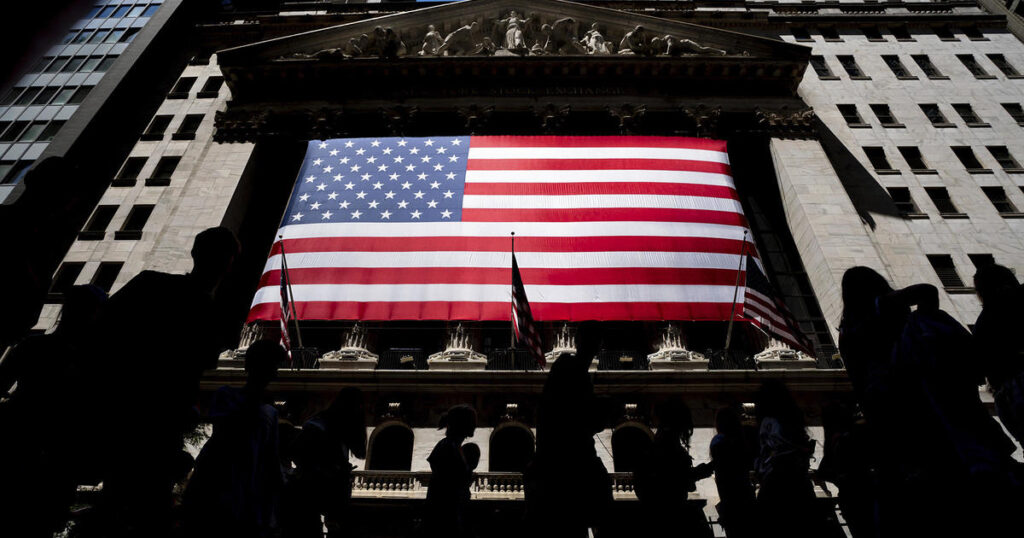
U.S. inflation slowed to an annual rate of 6% in February, according to the Consumer Price Index released by the U.S. Bureau of Labor Statistics. Food prices rose 0.4% since January, while energy costs were 5.2% higher year-over-year. Investors reacted positively to the news, with the S&P 500 rising 0.6% after the report was released, indicating relief that inflation is still high but heading lower. The Fed has said it will be patient with interest rate hikes until inflation is closer to its 2% target rate.