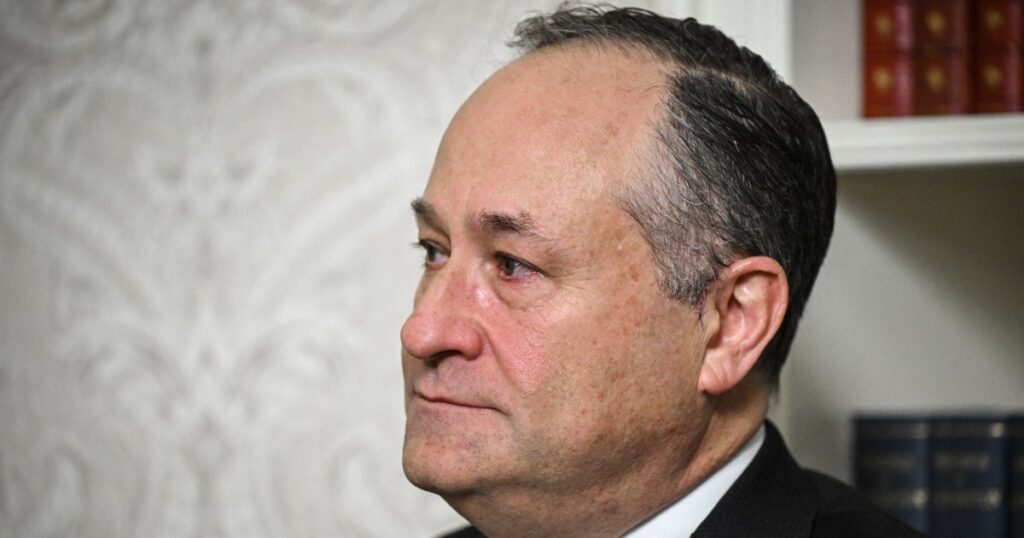
President Donald Trump has dismissed several members of the U.S. Holocaust Memorial Museum's board, including Doug Emhoff and Ron Klain, who were appointed by former President Joe Biden. These dismissals have sparked discussions about the potential politicization of the museum's mission and its governance. The decision has raised concerns about the impact of political appointments on cultural and historical institutions and their role in preserving and educating the public about significant historical events like the Holocaust.
Posts tagged as “the Second Amendment of the U.S. Constitution”
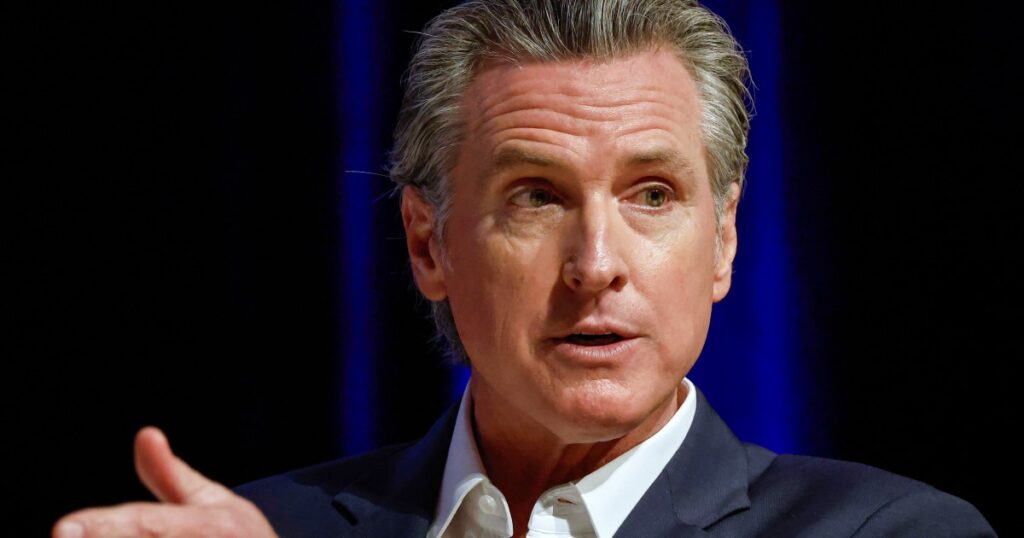
California Governor Gavin Newsom and Attorney General Rob Bonta have filed a lawsuit against the Trump administration, challenging the use of emergency powers to impose tariffs on U.S. trading partners. The lawsuit, submitted to the U.S. District Court for the Northern District of California, argues that former President Trump exceeded his authority under the International Emergency Economic Powers Act, infringing upon the constitutional separation of powers by bypassing necessary congressional approval. This legal action seeks to reinforce the requirement for congressional involvement in economic decisions, potentially impacting the balance of power between the executive and legislative branches regarding international trade policy.
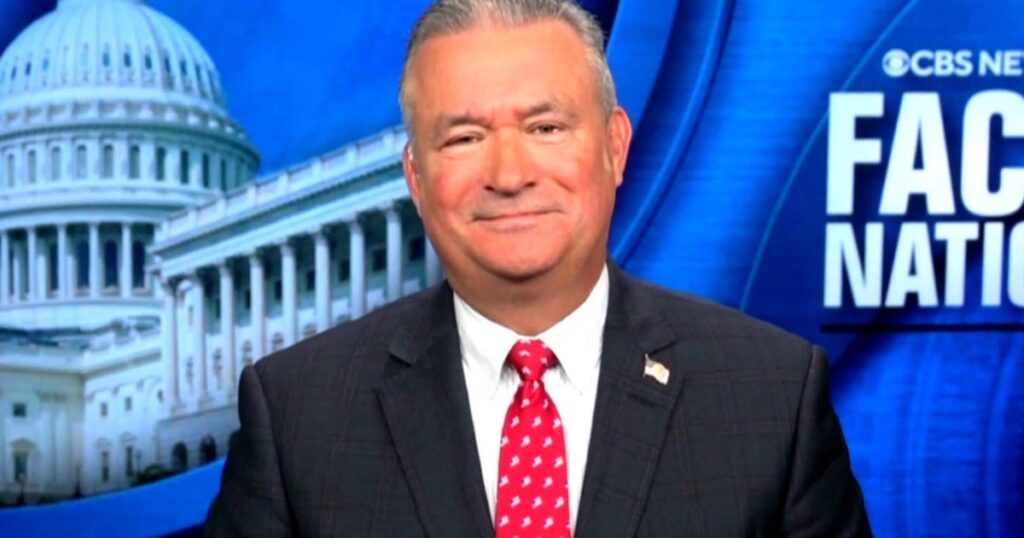
Rep. Don Bacon, a Republican from Nebraska, is advocating for a legislative proposal to restore congressional authority over tariffs, responding to concerns about the executive branch's overreach following President Trump's tariff implementations. This initiative parallels a similar Senate measure, highlighting bipartisan interest in re-evaluating the balance of power between Congress and the executive branch in trade policy. Despite growing support, House Speaker Mike Johnson opposes considering a Senate bill that would limit the President's unilateral tariff powers, reflecting ongoing debates about the separation of powers and congressional oversight in U.S. trade policy.
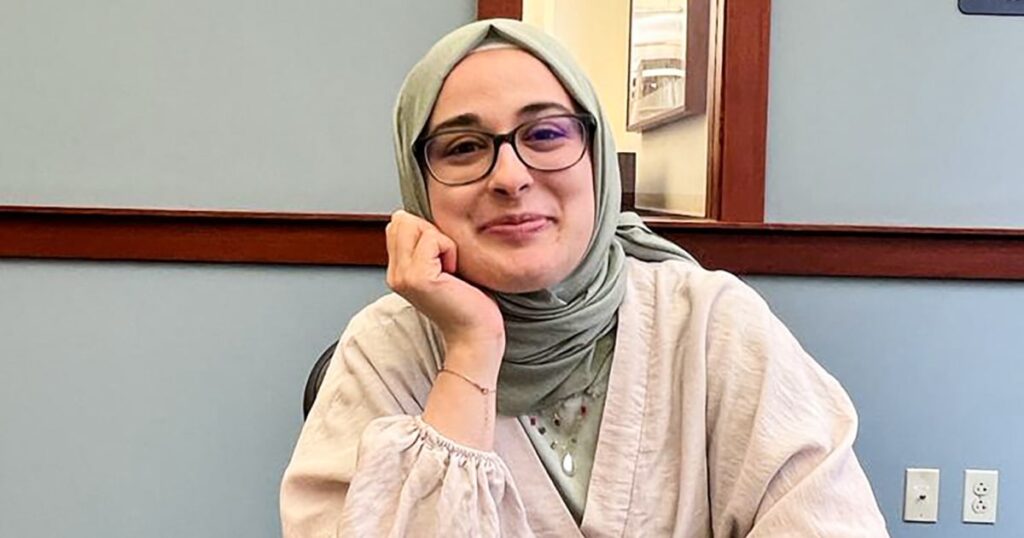
A legal dispute has arisen involving Rümeysa Öztürk, a Turkish doctoral student at Tufts University, who was detained by ICE and transferred to a detention center in Louisiana, despite a federal judge's order for her to remain in Massachusetts. Tufts University has publicly supported Öztürk and petitioned for her release, highlighting tensions over the treatment of foreign students in the U.S. A hearing in the U.S. District Court for Massachusetts will examine the legality of her detention and transfer, with potential implications for immigration enforcement and international students.
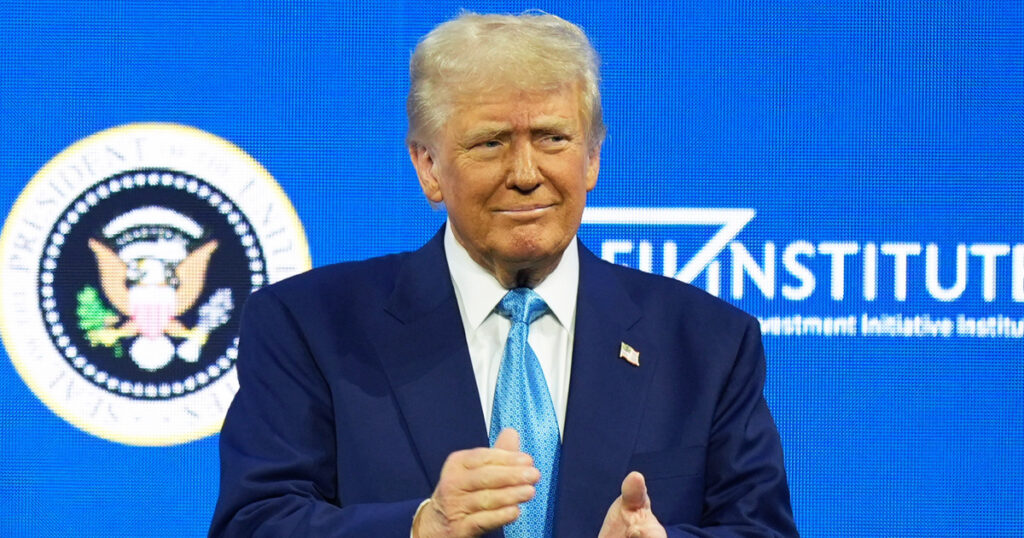
Former President Donald Trump's executive order to overhaul the nation's election systems has led to legal challenges from the Democratic National Committee and two nonprofit organizations, who argue it is unconstitutional and could disrupt election processes. Additionally, Trump has hinted at the possibility of serving a third term, despite constitutional limits, a notion he has suggested since his first reelection campaign. Legal experts emphasize that any attempt to extend a president's tenure beyond two terms would break historical precedent and significantly impact the constitutional framework of U.S. presidential terms.
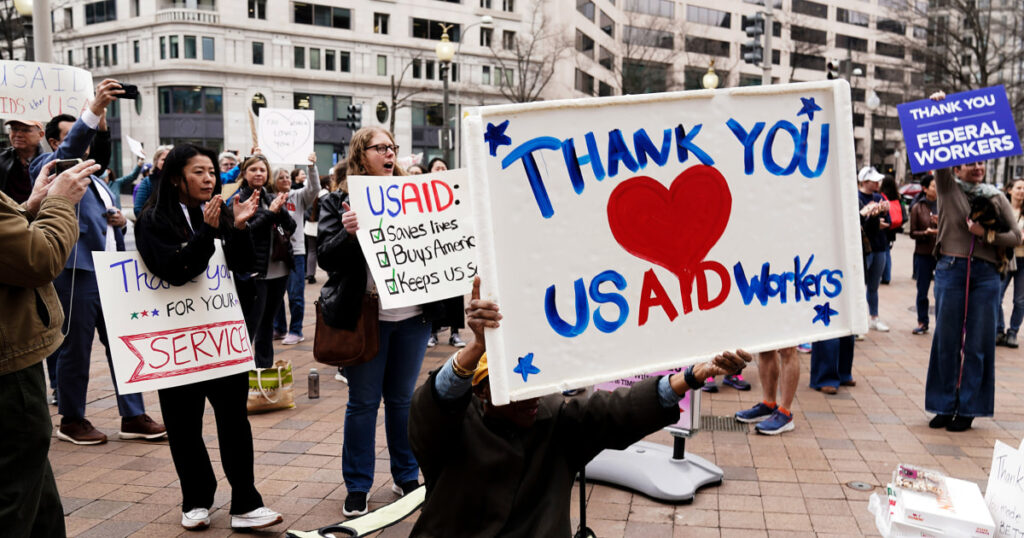
A federal judge has ordered the reinstatement of systems for the U.S. Agency for International Development (USAID) after a legal challenge against its shutdown, which was led by Elon Musk and the Department of Government Efficiency (DOGE). Judge Theodore Chuang's decision found that the closure likely violated constitutional provisions, particularly the Appointments Clause and the principle of separation of powers. This ruling, which mandates the restoration of essential electronic systems for USAID employees and contractors, highlights ongoing debates about the restructuring of federal agencies and the authority of task forces led by high-profile figures.

A federal judge has temporarily blocked Louisiana's first execution in 15 years, which was to use nitrogen hypoxia, after inmate Jessie Hoffman Jr. argued it would violate his constitutional rights and interfere with his Buddhist breathing practices. U.S. District Court Judge Shelly Dick issued a preliminary injunction, emphasizing the need to determine if this method constitutes cruel and unusual punishment under the Eighth Amendment. The case highlights the ongoing debate over execution methods and underscores the complexities of balancing state interests with the constitutional rights of death row inmates.
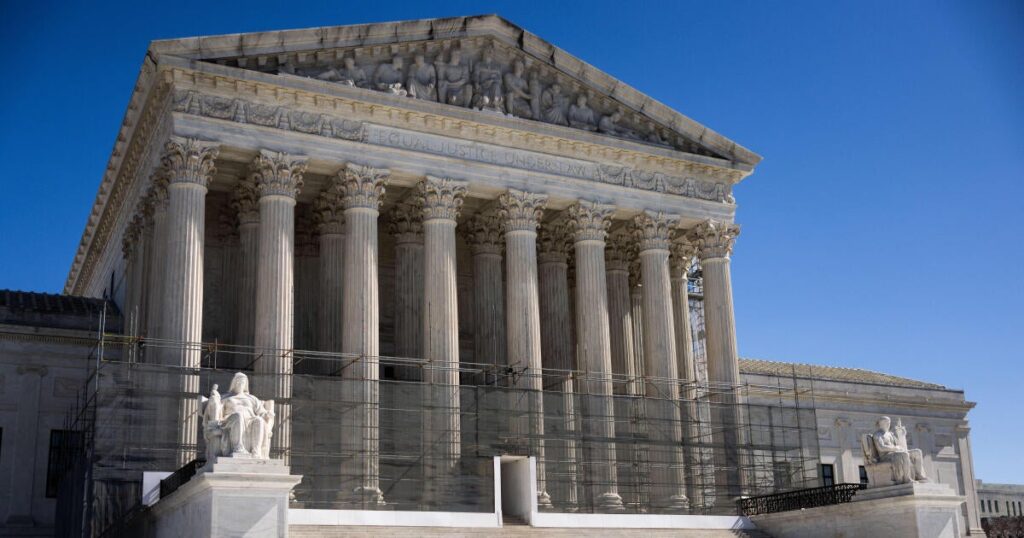
In 2019, Colorado enacted a law prohibiting licensed mental health professionals from practicing conversion therapy on minors, in response to concerns about its negative impact on mental health. The U.S. Supreme Court has agreed to hear a challenge to this law, brought by a Christian therapist who claims it infringes on her First Amendment rights. The case has significant implications for similar bans across more than 20 states, as it addresses the balance between protecting minors' mental health and upholding free speech and religious rights.