The Senate advances a plan to fund most of the Department of Homeland Security as President Trump pledges to pay all DHS employees amid a partial government shutdown. Lawmakers face divisions over funding immigration enforcement agencies, with Republicans pursuing a two-track strategy to end the shutdown.
Posts tagged as “the SAVE America Act”
A Senate amendment requiring photo identification for voting failed to advance after a 53-47 vote, amid heated debate over the broader SAVE America Act, which seeks to impose stricter voter ID and citizenship verification measures. Democrats opposed the amendment, citing concerns about voter access and ballot secrecy, while Republicans argued it was necessary for election integrity and reflected public opinion favoring voter ID laws. Additional election-related controversies include fears of ICE presence at polling places and a lawsuit demanding transparency over a voter data sharing agreement involving Social Security Administration staff, highlighting ongoing tensions ahead of the 2026 midterms.

President Donald Trump has avoided officially calling the military conflict with Iran a "war," citing constitutional limits on presidential war powers and the need for congressional authorization, though he has occasionally referred to it as such. The legal and political debate continues, with Democrats pushing to restrict the president’s military actions without congressional approval, while Republicans largely oppose these measures. Meanwhile, Ukraine is aiding Gulf nations against Iranian drone attacks by deploying anti-drone specialists, and Senate Republicans are advancing a budget reconciliation bill focused on conservative priorities, including military funding related to the Iran conflict.
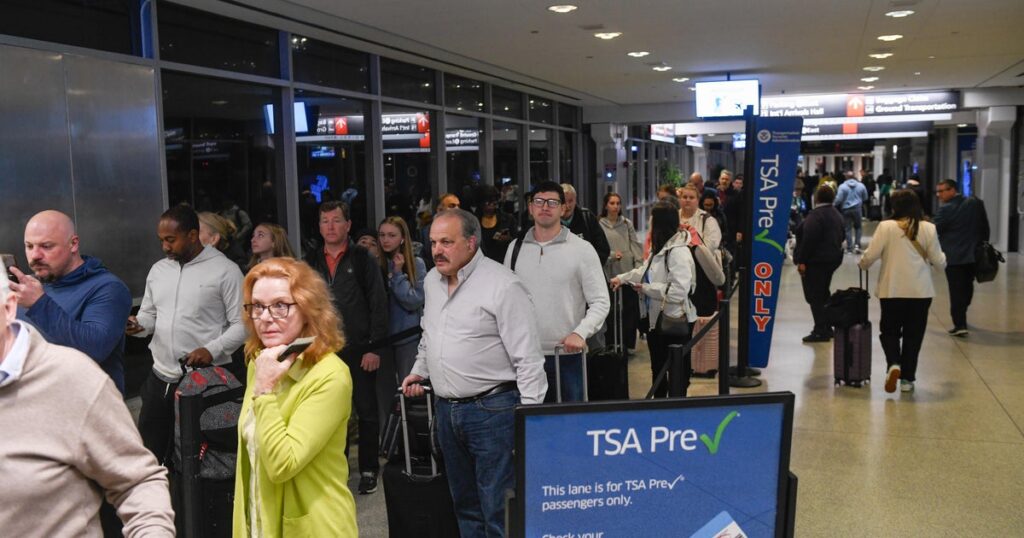
A recent DHS Office of Inspector General report revealed significant vulnerabilities in TSA airport screening linked to a 2025 policy allowing passengers to keep their shoes on, but TSA has not responded due to the report’s Top Secret classification limiting access. This classification has prevented TSA leadership from addressing security gaps amid ongoing staffing shortages caused by a prolonged DHS funding lapse, which has left agents unpaid and forced many to leave. Meanwhile, congressional efforts to resolve DHS funding are stalled by partisan disputes over immigration enforcement reforms, complicating the resolution of both security and operational challenges.
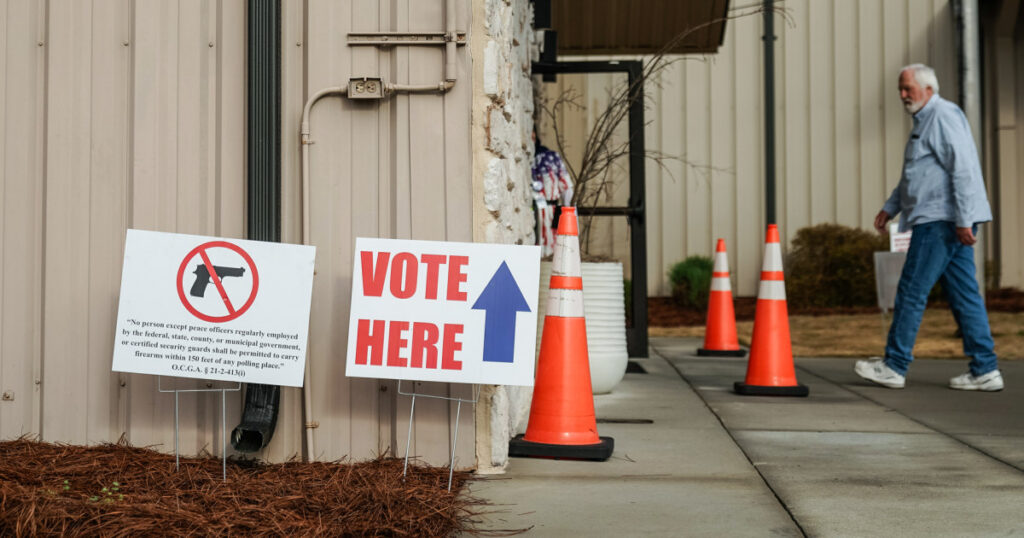
In April, several key elections—including special congressional races in Georgia and New Jersey, a Wisconsin Supreme Court contest, and a Virginia redistricting referendum—will test party strengths and influence the U.S. political landscape. Meanwhile, the Department of Homeland Security remains partially shut down due to partisan disputes, with Senate Republicans and former President Trump clashing over funding tied to controversial voting legislation. These events highlight the ongoing challenges in bipartisan cooperation amid a highly polarized political environment.
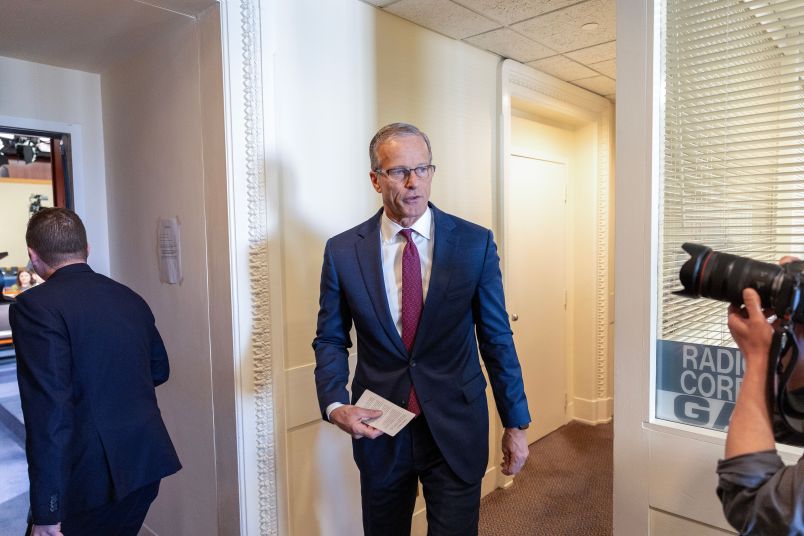
Senate Republicans are advancing a plan to reopen most of the Department of Homeland Security (DHS) during the ongoing government shutdown by funding all components except ICE’s immigration enforcement, aiming to gain support from President Trump and Senate Democrats. The proposal includes passing election-related provisions from the SAVE America Act through a separate budget reconciliation bill, though experts doubt these measures will meet strict budgetary rules, raising questions about the plan’s political feasibility. While Democrats remain cautiously open but demand ICE restrictions, bipartisan negotiations continue amid optimism from some Senate leaders to end the shutdown and restore DHS operations.
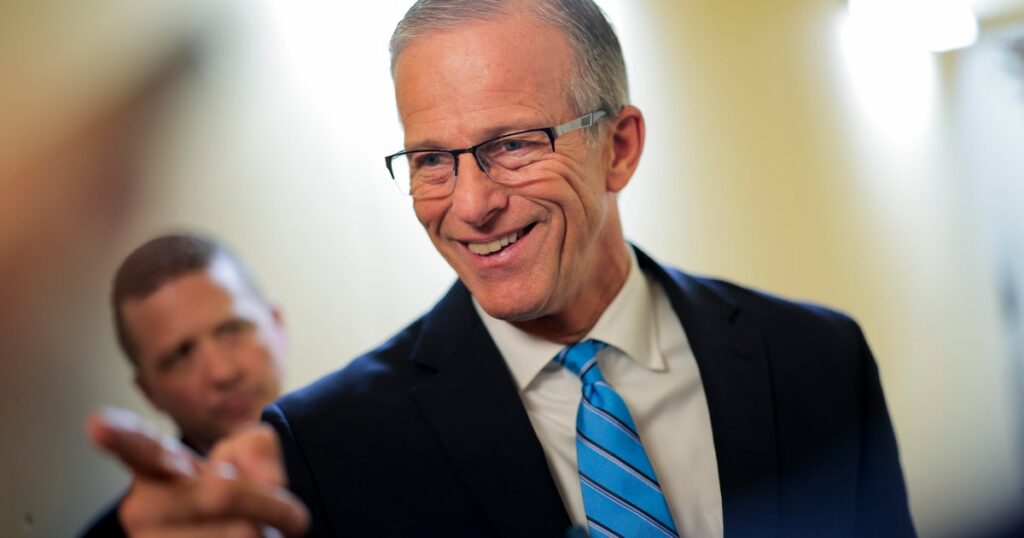
The U.S. Senate is close to reaching a deal to fund the Department of Homeland Security and end a six-week partial government shutdown, with Republicans optimistic after meeting President Trump and planning to fund most DHS agencies except ICE deportation operations through separate budget reconciliation. The shutdown began over disputes about ICE funding and election reform tied to the SAVE America Act, which Trump initially demanded be linked to DHS funding but faces Democratic opposition. Separately, despite publicly denouncing mail-in voting, President Trump cast a mail-in ballot in a Florida special election, highlighting his inconsistent stance on the issue amid ongoing debates over voter ID laws.
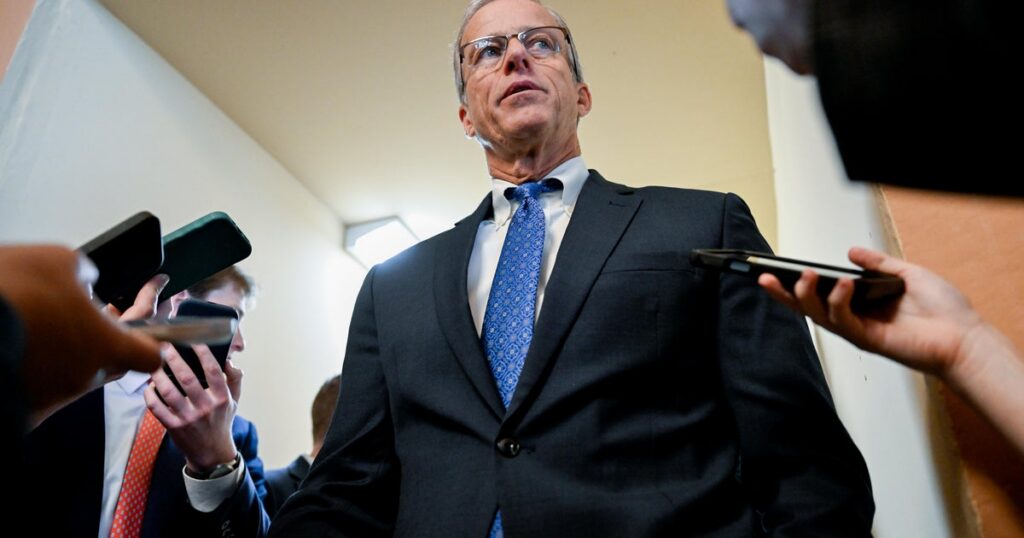
Senate efforts to end the 38-day Department of Homeland Security shutdown stalled after former President Trump demanded that the DHS funding bill include his controversial SAVE America Act, which mandates voter ID and citizenship verification, a proposal opposed by Democrats and lacking sufficient Senate support. The shutdown has strained airport security operations, with TSA workers unpaid and ICE agents deployed to assist, while Democrats have offered to fund non-ICE DHS components separately, a move some Republicans are considering. Political tensions remain high as Democrats accuse Trump of sabotaging negotiations, the Senate faces a looming recess, and a Supreme Court case on late-arriving mail-in ballots adds complexity to ongoing debates over election integrity and federal funding.